
“Cult films” are something that has always been a huge interest of mine. I have been looking forward to taking this class since I heard about it last year, excited to learn all that I can about the genre. Having previous knowledge of these kinds of films (Rocky Horror Picture Show being one of my all-time favorite movies) I have been intrigued to learn more about the not so mainstream or well-known films that are considered “cult films” and intrigued to know what exactly makes a movie a cult film. This week in our class readings from The Cult Film Reader  and from our class discussions, we learned about what these films consist of. The films from the cult genre are transgressive and they often consist of themes of sex and violence, and many include sci-fi themes. Two films that we watched in class this week were great introductions to diving into the movie genre.
The first film that we watched in class, Maniac (1934), directed by Dwain Esper, is a low budget film which shows (in some people’s opinions) bad acting, poor quality shots which are out of focus, often with the characters being covered by random objects. The angles of the shots are very random, as well as the positioning of the characters within the shots. For example, the first scene of this film is a shot in which the main characters have their backs and the backs of their heads facing entirely away from the camera, while the walls in the far background are 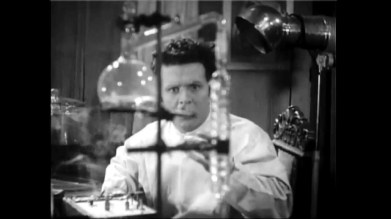 in focus and the characters themselves are blurry and out of focus, which carries on throughout the movie. The plot of the film: Don Maxwell is working as a lab assistant to Dr. Meirschultz. This doctor is a “mad scientist”; he is attempting to bring the dead back to life. Maxwell ends up killing the Doctor, and in his attempst to hide the murder, he dresses himself up, facial hair and all, and impersonates the Doctor. He buries him in a brick wall (but does not see the cat that had happened to slip behind the wall before he had sealed it up) This impersonating doctor treats a patient but injects him with adrenaline on accident, causing the man to go crazy and assault a woman. Lots of things that happen very frantically and unorganized and don’t seem to make any sense are played out leading up to the neighbor calling the police, who began to search the premises. They hear the cat behind the brick wall and begin to tear it down, discovering the deceased doctor. This film, while incredibly poorly made with a ridiculous plot, lead the way for many films of its kind to be made, leading to the advancements and the impact of what is the cult film.
The second film that we watched was a documentary from 2010, American Grindhouse, directed and produced by Elijah Drenner. This documentary showed and explained the different transitions from era to era in exploitative cult films from the very first films made by Thomis Edison to contemporary films of today. Narrated by Robert Forster, this documentary includes interviews and commentary with experts on exploitation films such as John Landis, Eddie Muller, Kim Morgan, Eric Schaefer, James Gordan White, 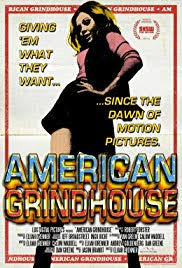 Herschell Gordon Lewis, and many more. This film, while being insanely informative, was also very interesting with how they explained what happened during the history of film and in film politics with trends and regulations alongside which films were made at the time and why. The politics of cinema is very interesting when you consider how producers and filmmakers worked with the politics to put out films that they knew would appeal to the public and to their crowds. These films that we watched were two that I found held my interest and made me want to learn and discover more about the Cult Film genre and exploitation in films.
 Cult Movies