The screening this week was a film from 1945 called Detour. We follow the main character, a pessimistic grumpy piano player as he goes on a trip from New York to the west coast in search of his love, Sue. Sounds like a sweet and innocent quest for love until everything goes wrong. He ends up accidentally murdering people, stealing money and identities and despite this he insists that it is absolutely not his fault. Its a wacky film with some great Characters, my favorite being Vera played by Ann Savage. Vera is angry, she’s sassy, she takes no shit and has a plan that will apparently save his ass.
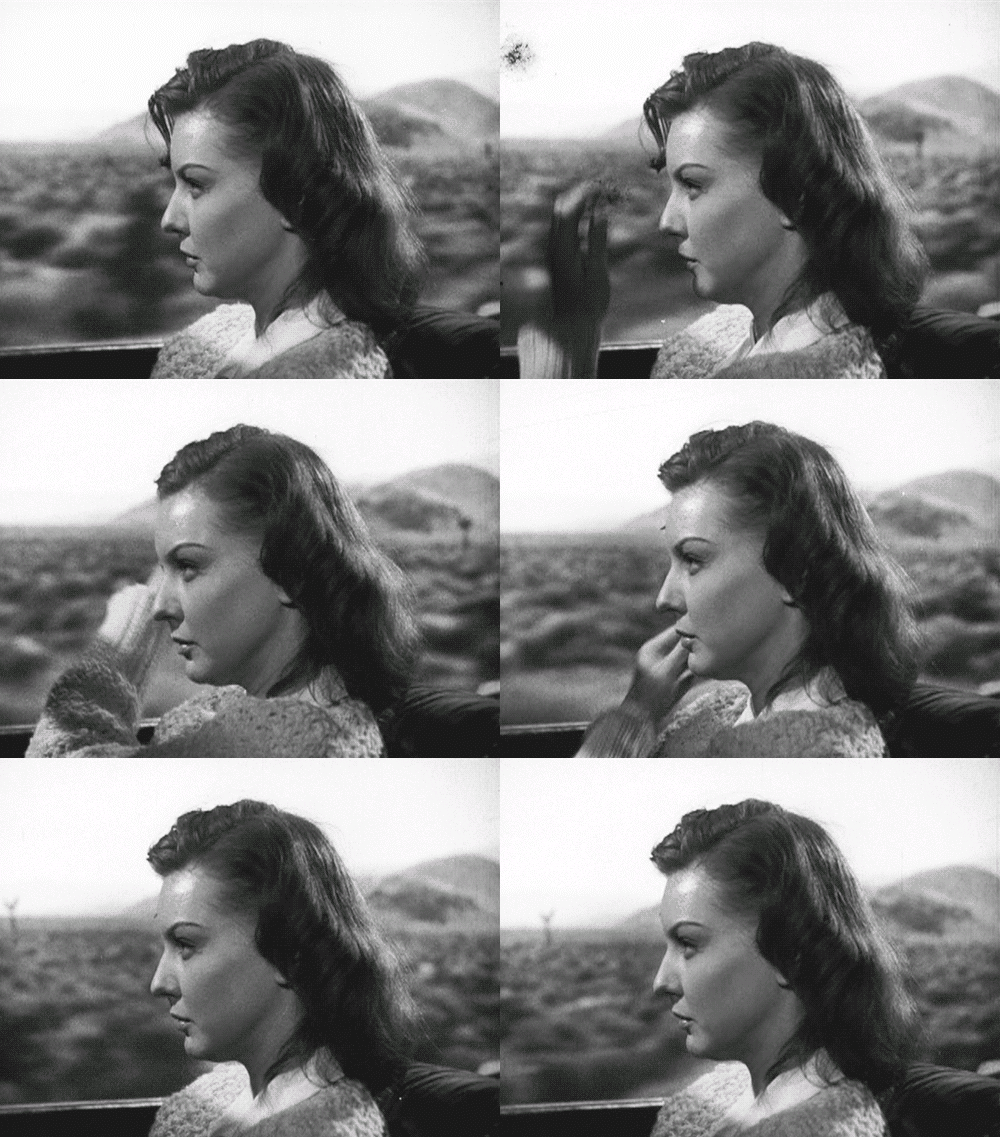
The film ends on the same note it started, negatively. Our main character, Al ends up “accidentally” murdering Vera and is ultimately caught for his crimes and arrested, having never found his love. This film was made for cheap with relatively unknown actors and actresses by Director, Edgar G. Ulmer who was an immigrant from the Czech Republic. He is widely known for being an important director of B movie films. B movies were generally low budget commercial films. B movies tend to be short, usually having a run time of 70 minuets or less. These films gave actors and directors a chance to work their way up to A films or to becoming highly regarded in the film world, for example we see Jack Nicolson star in a few B films before he would become a widely known star. His first film, (which was produced by Roger Corman, a respected director who would go on to produce and direct hundreds of independent low budget films and discover some of the most regarded figures in film such as Francis Ford Coppola, Robert De Niro, Sylvester Stallone, Martin Scorsese, James Cameron, and many others). Was a B movie Film Nior titled The Cry Baby Killer, 1958.


This Would be a start to a highly successful career for the actor. B movies were also appealing because unlike the very commercial highly popular A movies, B movies often toyed with more scandal-as themes than A movies. B movies tend to attract a cult like following and B movies have a lot of qualities that cult films generally do which is why many cult films are also B movies which is why they’re important to study in this class.
The readings this week were very interesting to me, particularly the Camp and Paracinema reading. In this reading the author describes to us concepts that are often seen in cult cinema such as “Camp”, “Kitsch”, “Paracinema” and “trash”. Camp, which is the main subject of this writing is as described by Susan Sontag “A mode of Appreciation and a feature of objects. This term despite rising to popularity in the 1960s has roots to the victorian age which it was defined by “actions and gestures of exaggerated emphasis”. This term is often associated with gay culture, many gay people connected with this word and the culture that came with it because it often celebrated things that were out of the norm, alienated, associated with bad taste ect.. things and people that are often dominate were excluded from this culture which is why many gay men and women identified and participated in camp. These qualities of camp is what also connects it to cult films. Many people found things they could connect to that were otherwise unaccepted or shunned, celebrated. A huge part of cult movie culture is that people wanted a way to experience acceptance and fun in things they enjoyed that were not really accepted in mainstream culture. Some major figures in Camp culture were Mae West, Joan Crawford, Bette Davis and more specifically Judy Garland who stared in the classic film The Wizard Of Oz.
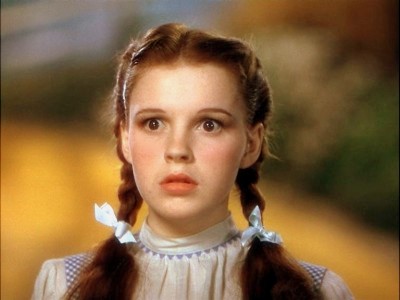
These women were appreciated for their “indefatigable and bigger than life personas and also because of their subordinate position within patriarchal culture, and their frequent romantic troubles with men” It is reasons like this that Camp is a major player in cult cinema culture.
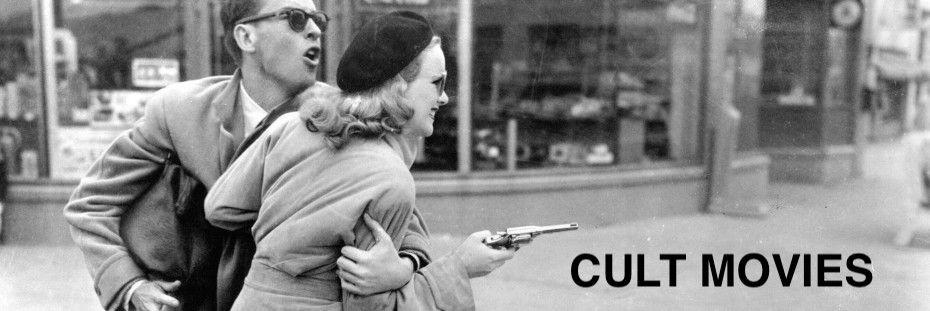
 Cult Movies