This week we got back into the groove of reading one day, then watching a film, and being able to better digest it and write about it. I was really impressed with this week’s reading leaders. I especially appreciated the un-packing of Benjamin’s “The work of art in the age of mechanical reproduction.” Although in my opinion this reading was a little challenging, it became much clearer with secondary media. The replication of works of art, cause them to lose their “Aura”. When we brand something as a “work of art”, it should be kept as such; a labor-intensive creation that has come to exist, simply because the artist wanted it to. Benjamin’s literature, along with our class discussion, helped me better understand this concept, and basically held my head in the direction of these crimes.

I also found the concepts of camp, and para cinema to be very interesting. One of the best things about film is that most people have seen all the things we talk about in class, but they have never fully known or understood what they were seeing. For instance, the next time I see someone defend a Frankie Avalon “Beach Party” film from a negative review, I can take their side, but I also will know that I am partaking in para-cinema.

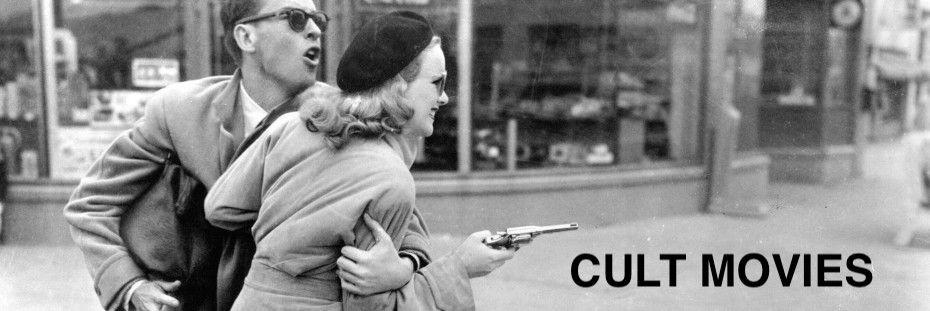
The film we watched this week was “Detour.” It was directed by Edgar G. Ulmer and produced by PRC. My attention was taken completely after the first set of voice-overs and flashbacks. Little did I know that the entire movie was going to be the story that brought Al Roberts to the diner in the first scene.
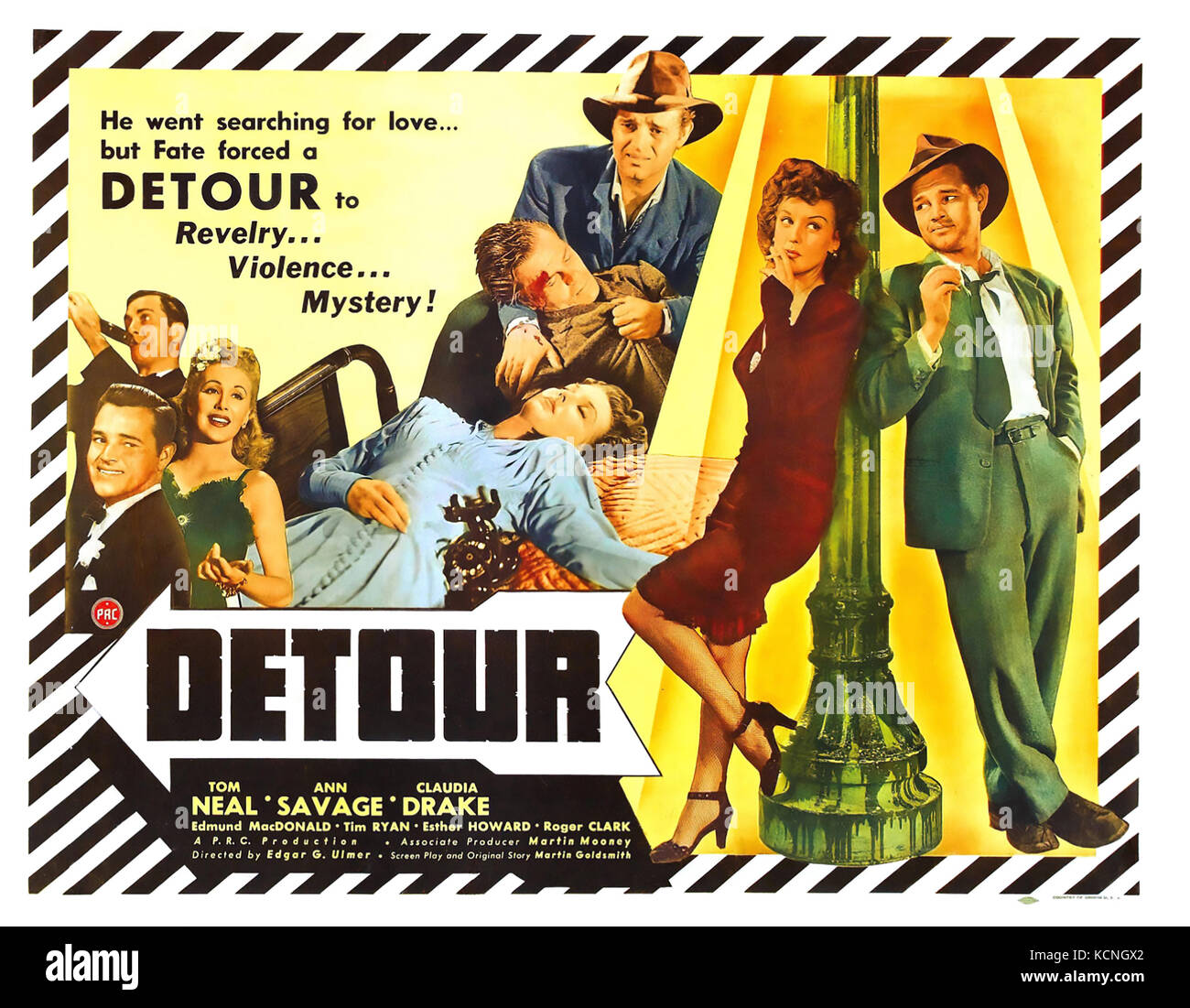
One of my favorite parts of this film was the fog used in place of actual set during the first series of flashbacks. The documentary we watched after the film was over, talked about the fog as a funny thing because they didn’t have to use a lot of the budget constructing a New York city set. Even though the reason for the fog wasn’t just because it would look cool, in my opinion it did look cool.
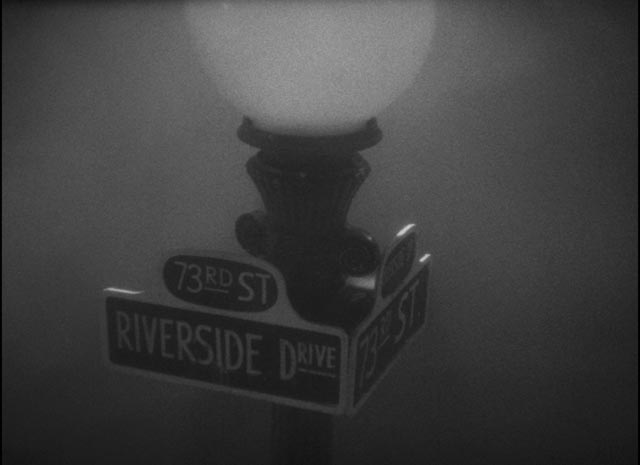
One of the wackiest moments of “Detour” was the hitch-hiking montage. It clearly looked like Al was getting into the driver side of every car he entered, and then the steering wheel was on the opposite side that it normally is in the US. We later learned that this was merely a camera technique or possibly a mistake that was left in because they couldn’t afford to re-shoot it, so they just left it in. Honestly, it doesn’t matter to me why this whacky montage has these flaws, it still provided a few funny shots that brought me closer to Al and his story.
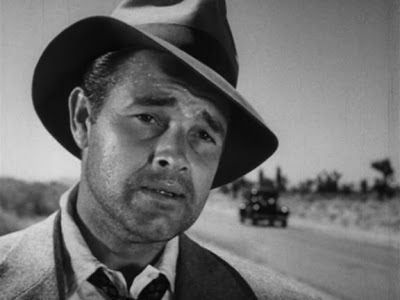
The moment I was most surprised while watching “Detour” was when Vera realized that Al was lying about who he was. After a few seconds of leaning back and relaxing, she shot up and began to yell questions about the whereabouts of the true owner of the clothes Al was wearing, and the car he was driving. Their whole story for the rest of the movie was a gripping back and forth that continued to reveal the rest of Al’s story.

In my opinion, “Detour” was a film that I didn’t know I had to see, but I guess that’s just one more reason why I am in love with this class, and cinema in general.
 Cult Movies
Riley, Super fair points about how we are ensconced with the lighting and fogginess. I completely agree that the atmosphere is an extremely important part of the film, and detracts from the mistakes and inconstancies.
LikeLike
Thank you for writing about this past week’s reading leaders! Unfortunately I missed it but I got to read a bit about the discussion here. I thought the use of the fog and the street sign was so cool, very PRC of them.
LikeLike
Get post, Pat. You’re right that hitch hiking shot was really bizarre to me at first. I kept thinking, is that just how cars were back in the 40s? Was that a thing? To hear that it was a technical issue with the camera really went to show just what kind of budget Ulmer was working with. I thought Detour was amazing. Nothing about it screamed B-lister to me. The actors were great, the plot was engaging, the shots were creative. My only question by the end of the film was whether Al was really reliable. In the film, we see the driver fall out of the car and bash his head. Not Al’s fault. But then Al robs the man of all this money, clothing, and car. What the hell Al? Vera really is the meanest woman in Hollywood. No romance in this film, just constant verbal abuse. I am definitely going to watch more of Ulmer’s films in the future.
LikeLike