This weeks screening was Valerie and her Week of Wonders (1970). This Czech film was easily the most complicated or to say the most different of the films we’ve seen as of late. It leaks of symbolism to the point where it felt like a tumblr girl’s aesthetic wet dream. Following themes of womanhood, coming to age and ideas of reality, this film felt at first like it was going from wall to wall but after viewing and doing some reading on the film it’s a modern fairytale inspired by the originals of the past.
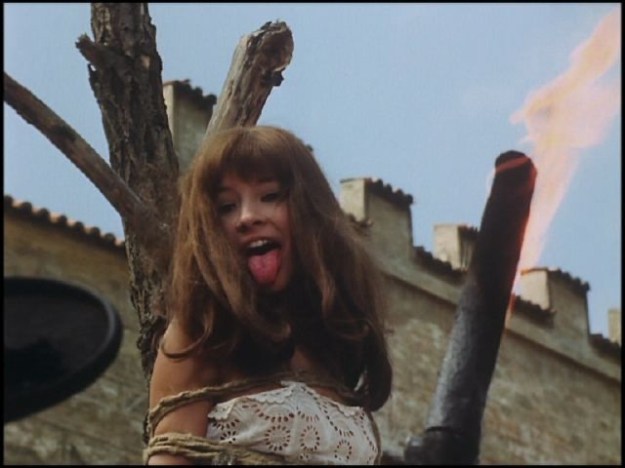
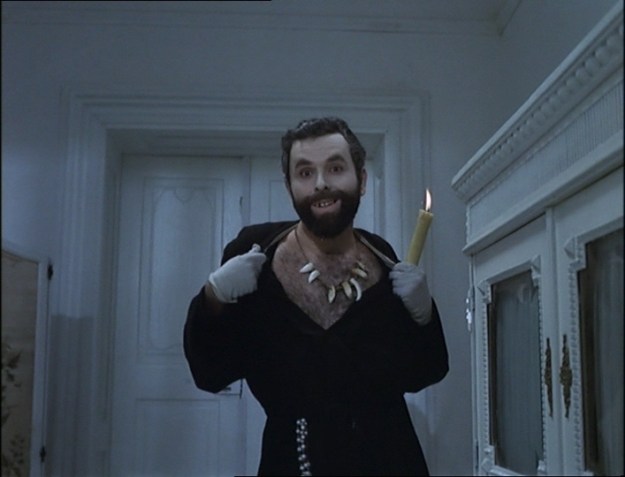
Based on a novel, with the same name, from 1935 it’s easy to see images of classic fantasy mixed with modern views on horror. Valerie is a young girl who finds herself in a world surrounded by monsters, vampires, and overall creepy people trying to use her for immortality. The films plot is incredibly confusing as by the end no of it makes sense, but when a film is trying to show the parallels of living in a dream and reality it’s best not to blatantly tell the viewers. As Valerie gracefully carry’s along with the mystical shenanigans that everyone puts her through it’s easy to see how she feels she in a dream and is curious as to what will keep happening. Keeping the viewers in the dark on the film’s reality made the film feel like a dream itself, beautiful sights but confusing horror that you can’t look away from. The films attempt to create an environment is unmatched by others. It’s not the best looking fantasy film but it takes you to a place so unfamiliar but easily recognizable that is similar to a dream state.
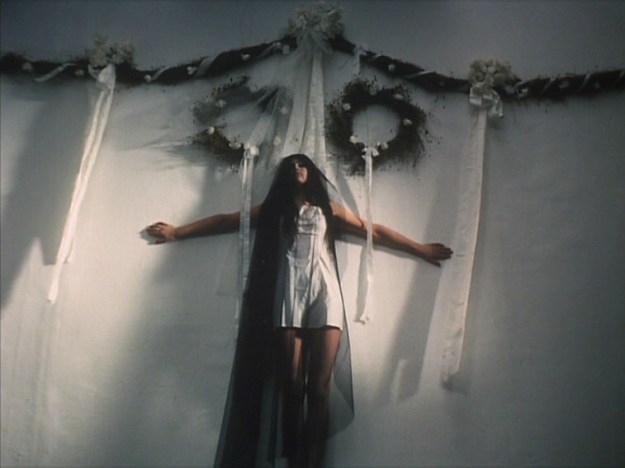
Though the film creates the perfect dreamy atmosphere it’s so much more to that. It’s showing the transformation from childhood to adulthood. Wonders may be a code word for sex and sexual awakening is all over this films core themes. Valerie seems to live a sensual dream sprinkled with bits of sin and lust in an attempt to show ones mental journey from innocent child to horny animal.
This week we also had a reading on The Exploitation Generation by Maitland McDonagh. A deeper look on the generation of filmmakers who broke through the conventional way of making films in the 70’s. With the guidelines being less restrictive to filmmakers they had a chance to create films that would depict real and un-lawful images of the world that wouldn’t have been shown on the screen before. The reading quotes Pauline Kael who called it “Hollywood’s real Golden Age, a brief period when films that defied time-tested narrative constructions and tortured easy genre NC formulas into weirdly challenging hybrids seemed the norm rather than the exception, a decade which, in retrospect, represented an extraordinary blossoming of talent in the commercial cinema.” These filmmakers would be the ones to inspire the modern film innovators of today using there out of the ordinary techniques and ideas un-heard of during their time.
 Cult Movies