What a crazy week!
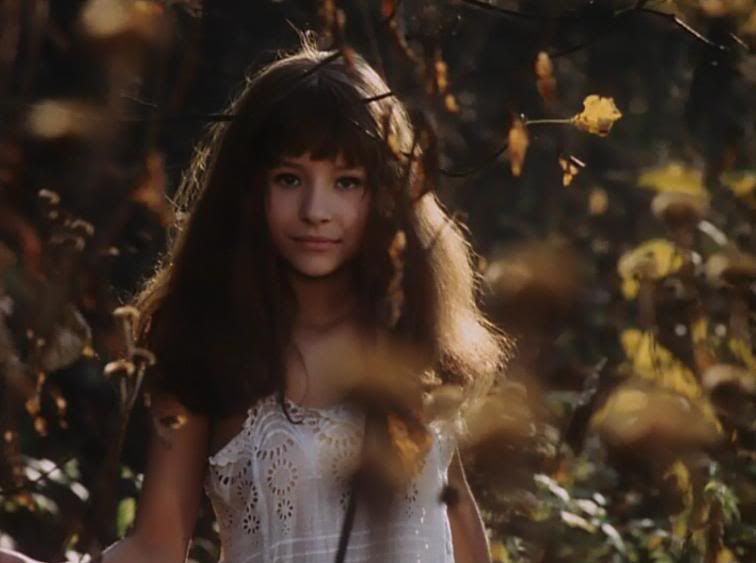
My first reaction after watching Valerie’s Week of Wonders was “Well, that was weird”. But the more I reflected on the film, the more I came to respect it. Based off the 1935 book by Vítězslav Nezval, the film was released in 1970 by a Czech film studio. The movie is part fairy-tale, part sexual awaking story, and part nightmare fuel. However, from the opening credits I knew the movie would be beautiful. The opening shots of Valerie just sitting pretty with the music playing let me know right away I was about to watch something wonderful, but surreal. I also see why this would be considered a cult classic, at least outside of Czechoslovakia. Not only was the film ignored in box offices during its initial release, but there was much political tension as the Soviets invaded Czechoslovakia countries. To quote the Kinoeye article,
“In accordance with Soviet maneuvers to enforce atheism, Valerie a týden divů embraces an anti-Catholic stance, particularly in relation to sexual morality,”.
As such, every character with a close relation to the church (The priest, the Grandmother, the Polecat) is seen as a hypocrite. The most disturbing character in this film, to me, was the priest. There’s a scene where Valerie is having dinner with the Priest, her Grandmother, and some other girls where the priest talks about ‘saving’ a black girl during a pilgrimage. It was incredibly unsettling. I wasn’t too surprised when, soon after, the Priest tries to rape Valerie in her bedroom. Even when he dies, he just comes back to life! Just stay dead man!
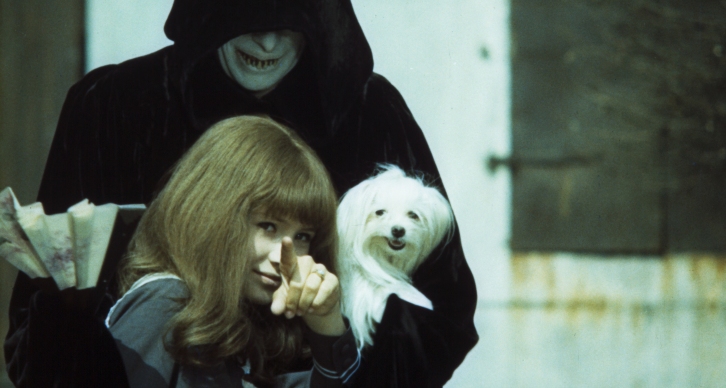


The whole time watching this movie, I felt like I was dreaming. Before taking film classes I would have found the abrupt cuts and rushed time skips annoying, but in this movie these techniques work. Take the first few minutes of the film. Without any explanation we see Valarie get robbed by Eaglet, encounter ‘The Polecat’, and then have her earrings returned thirty seconds later. But this works, because that’s how dreams work! Dreams aren’t don’t tell a clear linear story, and neither does Valerie’s Week of Wonders. There are also times, like when Valerie is watching her newly married neighbors make-out, that no one seems to notice that she is there in the room too. As bizarre and unnerving as this film was, I would have to call it a masterpiece. There is just…something so creepy yet wonderful and real about this film. And I will watch it again, if to only better understand it.
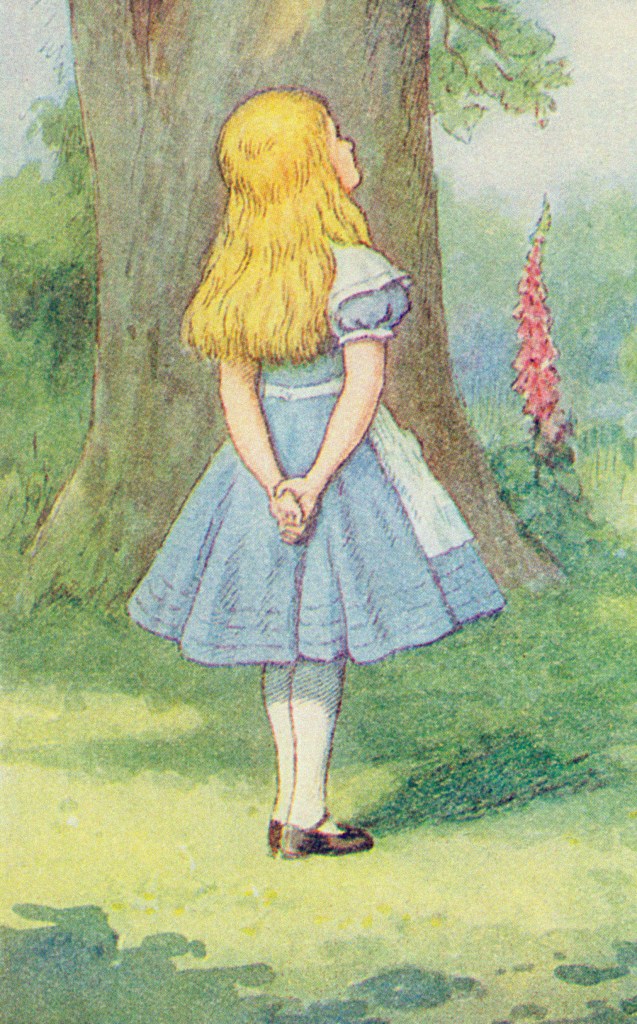
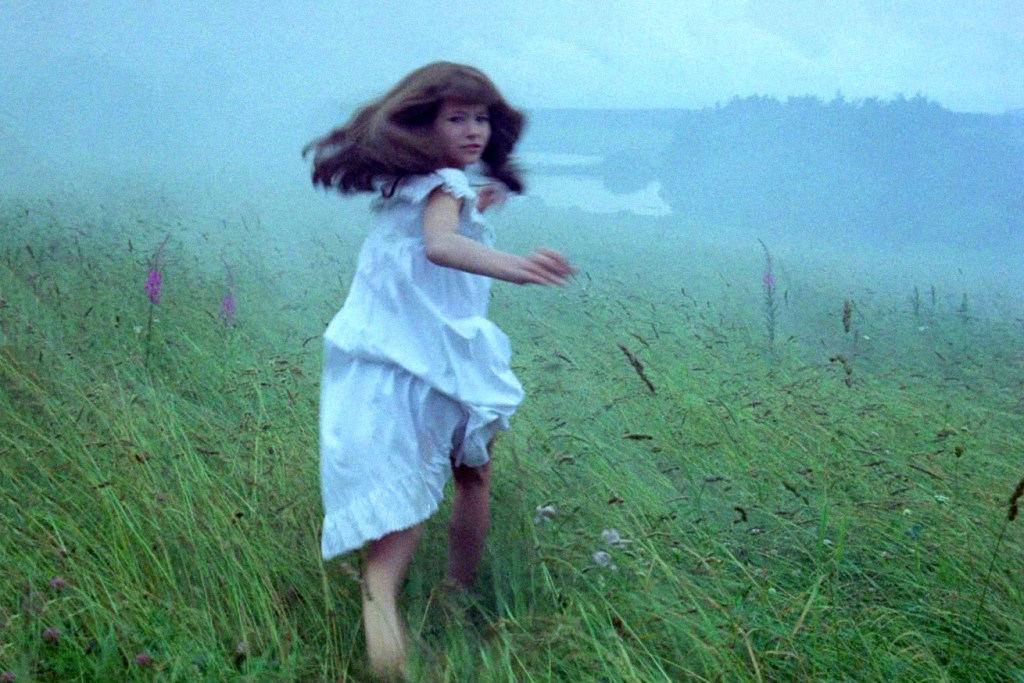
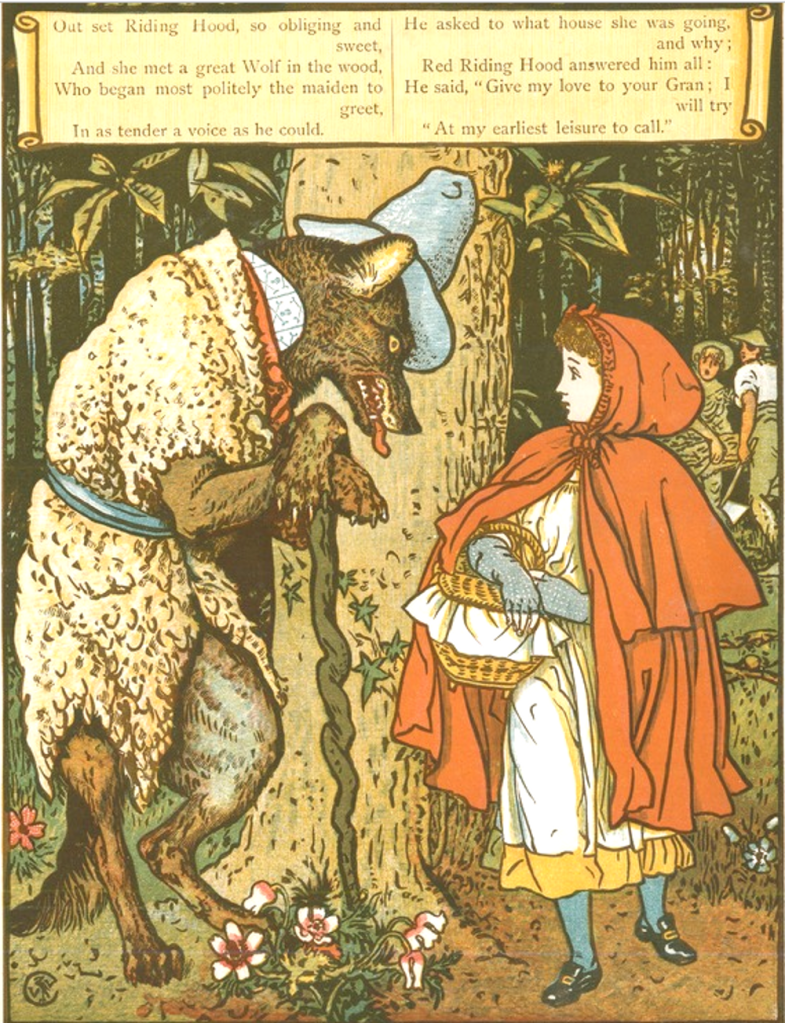
As Valerie’s Week of Wonders is a bizarre film, I found the essays we read this week (Kinoeye and Grandma What Big Teeth You Have!) incredibly enjoyable and insightful. The film is very much a fairy tale all on its own, but I couldn’t place what else Valerie reminded me of until “Grandma What Big Teeth You Have” stated the similarities the film shares with Alice in Wonderland. How did I miss that!?
Since Valerie’s Week of Wonders was released in the beginning of the 1970s, it’s time to talk about the Golden Age of Hollywood. The essay “The Last Great American Picture Show” describes the Golden Age of cinema as;
“A brief period when films that defied time-tested narrative constructions and tortured easy genre formulas into weirdly challenging hybrids seemed the norm rather than the exception, a decade which, in retrospect, represented an extraordinary blossoming of talent in the commercial cinema”.
It was a time of great freedom, for both film makers and movie goers. New genres, such as disaster flicks and Blaxploitation thrived during this time, bring us titles like The Poseidon Adventures and Shaft. Several critically acclaimed directors and studios made their first experience during the seventies, including Francis Coppola in his film The Godfather, and Steven Spielberg with the first box hit of the seventies, Jaws. However, the success many of these new superstars received during the Golden Age can be credited to Rodger Corman. The king of Exploration Cinema, Corman worked for AIP (American International Pictures) as the lead director of many classic B-List films. Put in simple terms Corman was cheap, fast and efficient when it came to film making. Perhaps his most famous film, The House of Usher, featured a young Mark Damon as the leading actor, kick starting the young man’s career. The essay “The Last Great American Picture” lists no less than 42 actors, producers, and directors whom Corman mentored during his time with B-list films. In a way, Corman is not only the Father of Exploitation films, but also the Grandfather of the Golden Age of cinema.
 Cult Movies
i agree that from the first time you see the priest you get major creeper vibes and when he tried to rape her later it was like “yup totally knew it.” also i think everyone can agree it does feel like youre dreaming when you watch it !!
LikeLike
I think you spot on when you called the film ‘part nightmare fuel’ as I was thinking the same thing while watching it! I also really liked how equated the frequent cuts and plot holes to how dreams really work. I think that was great comparison!
LikeLike
Whoa dude, awesome blog! fun to look at and an interesting grasping read. I love your captions on the images, and the images you inserted. They all reference the symbolism that was prevalent throughout the film, that I found capturing as well. I like when you said “Dreams aren’t don’t tell a clear linear story, and neither does Valerie’s Week of Wonders,” and I relate to your dream-state while watching the film.
LikeLike
I really love the little panel you have that compares Valerie to other fairytale-esque stories. I totally agree with you about the editing! It was disorienting, but not in an irritating sort of way. If anything, I felt that it heightened the experience because it wasn’t just showing us a dream – it was putting us into one.
LikeLike