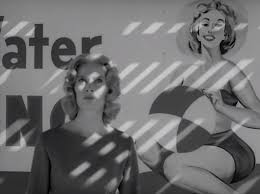
Author Archives: anna0wisbey

Brad Pitt Got Stabbed in the Butt and Now Our Class is Over.

This is it — after I finish writing this blog our class and my college career are over. I guess I should take a while to write this then.
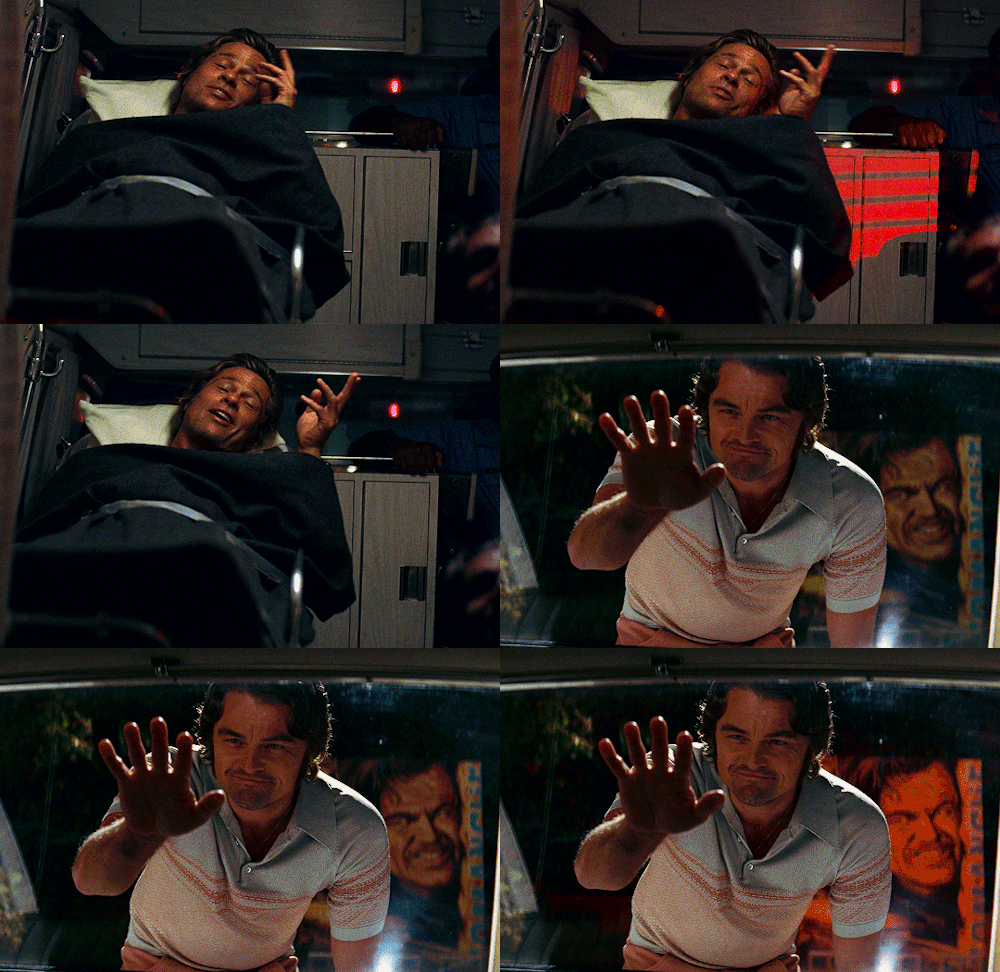
I came into this class in January with the question, is this class about cult films, films about cults or films made by cults? I now have the answer, It was a class about cult films that ended with a film featuring a cult. This last week we watched Quentin Tarantino’s 2019 film, Once Upon A Time In HollywoodOUATIH is Tarantino’s love letter to old Hollywood, the glory days of the ’60s and ’70s. The film is really about Rick Dalton and his stunt man Cliff as Rick comes to terms with the fact that is career isn’t what it used to be, and he has to adapt to New Hollywood. The Manson Family is the sub-plot that explodes in the end, and Sharon Tate is the personification of Hollywood that floats throughout the picture.

It’s hard for me to say if this film was really a cult film as it came out very recently and if this class taught me anything its that cult status comes with time. Nonetheless, I understand why it was included in the syllabus and certainly why it came at the end. It is almost like the reward after a semester’s worth of reading that leads up to it. The film is a smorgasbord of things we have spent time talking about: the cult of old Hollywood, the culture of movie theaters, Tarantino’s position in the Hollywood fandom, and most importantly, the film itself is an alternative canonization of historical events.
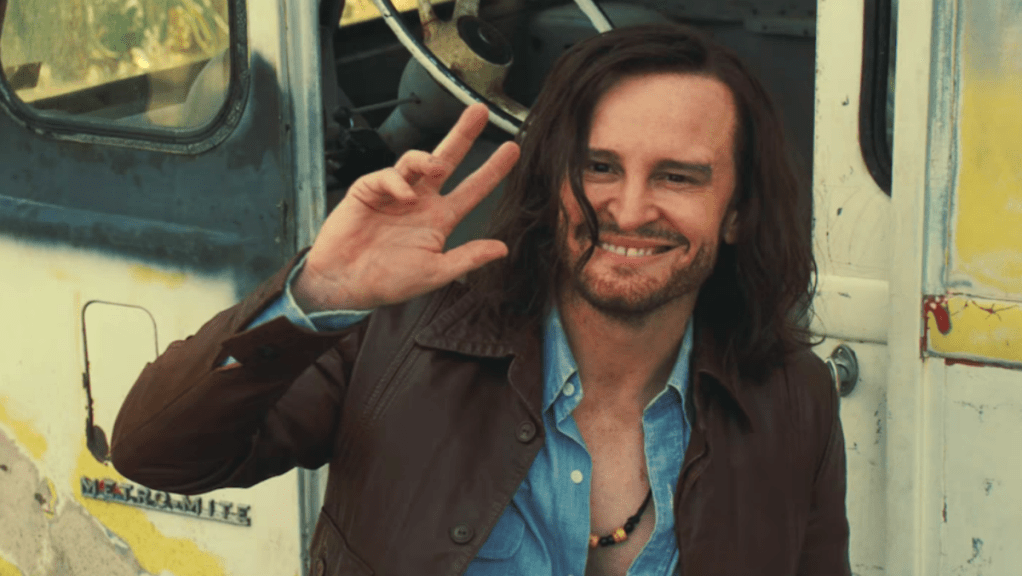
You could even say that OUATIH is the biggest fan-fiction out there. It changes the historical narrative of the Manson Family Murders and instead allows Tarantino’s dream of Hollywood to win out in the end. Charles Manson, like most struggling musicians/high profile cult leaders, wanted fame and notoriety, and he certainly got that in August 1969 when his followers killed actress Sharon Tate and her house-guests. However, Tarantino expertly strips that notoriety away from him in his version, refusing to give Manson credit for his crime of the century. The character of Manson himself is only seen in a brief cameo toward the beginning of the two-hour+ film; he is not introduced though, and from there on out, we only hear mention of a Charlie, but the name Manson is never spoken. The only real connection between Charles Manson and the film is the outside knowledge the audience brings into it. While people like Tex Watson and facts like Manson’s Twinkie Truck and home on Spahn Ranch exist in both universes, the man who craved fame was erased from the Oscar-winning film. This subtle assertion of power on Tarantino’s part is my favorite aspect of the film. It allows Tarantino to focus on what he really wanted his fan fiction to be about, an homage to old Hollywood. The world of Steve McQueen, old school television and spaghetti westerns looked at through fading star, Rick Dalton that wins out in the end when the angelic and still alive Sharon Tate closes out the movie with, “Hello Rick.”
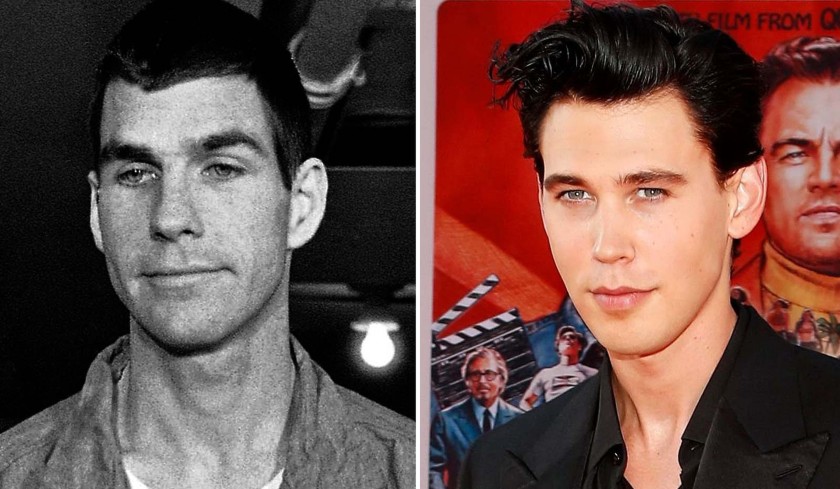
I do have to say that Austin Butler really proved he is much more than just the love interest from Sharpay’s Fabulous Adventure in this movie.

This is now the part of the blog where I talk about my time in this very special (topics) class. As I am ending my college career, I am both happy and sad about taking this class. I am happy because it ended my higher education experience on a very high note, and hands down, this has been my favorite class at Alfred University. I am sad because I wish it never had to end. I don’t know about you guys, but if Dr. S could just keep sending us a movie to watch a week forever, I would be delighted. This class has expanded my horizons, making me watch movies I would have never watched on my own, as I said in my blog for Suspiria, I had been actively dodging that one for a matter of years!
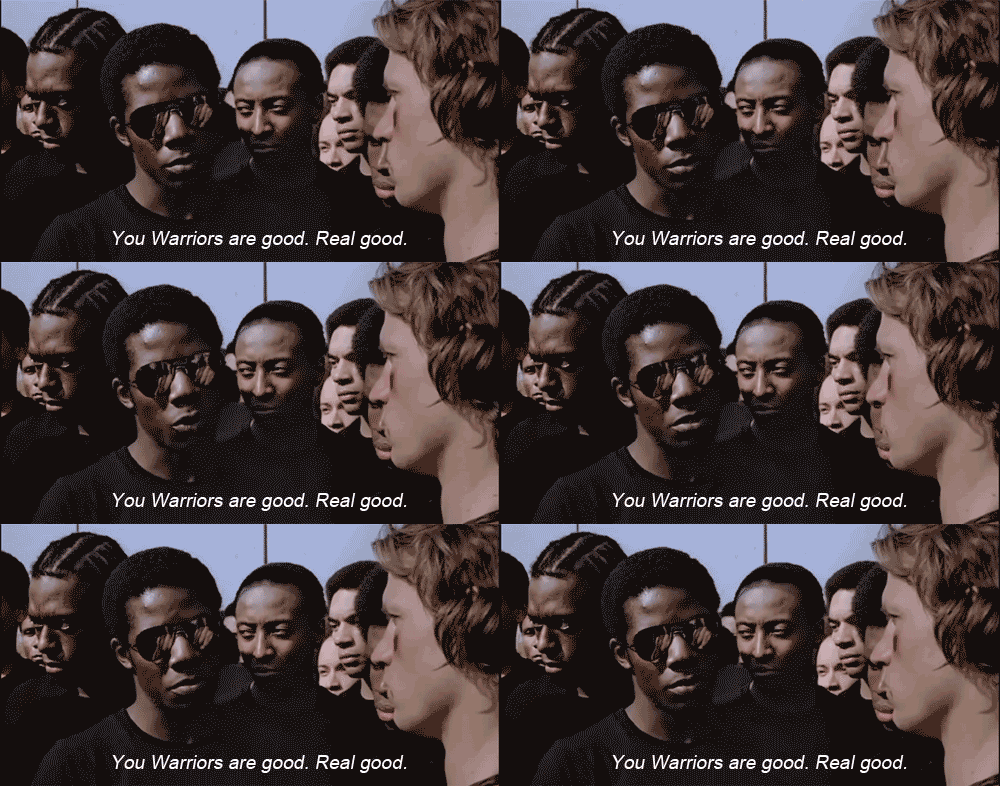
Looking back on the films we watched, it’s tough to pick a favorite. I’d say it was Richard Linklater’s Dazed and Confused, but that feels like cheating as I already loved that film before coming into the class. If I had to choose between the movies that were introduced to me during this course, I think it might have to be the ’70s cheese that is Walter Hill’s Warriors. It was a film I had previously heard of but never seen, and it did not disappoint. I am not sure if it was because it’s idiotic antagonist, comic book-inspired aesthetic, or expert costume design, but it has not escaped my mind. I can not wait to watch it again and again.

I don’t think it is a secret that my least favorite screening was Adam Rifkin’s Detroit Rock City. I was pretty outspoken, during that weeks discussion, about my issues with the many plot holes I found in the film. Its position as a teen boy comedy didn’t appeal to my sense of humor. I tend to steer away from some of the physical comedy that is very apparent in that film. I do understand why it was included in our syllabus for its important position as a rock and roll film. I personally however, would just choose a different rock and roll film like Rob Reiner’s Spinal Tap to show in its place instead.

Other than maybe switching out Detroit Rock City, I wouldn’t change a thing about this class. I honestly had a great time watching and discussing movies with all of you. While the unfortunate transition to online learning impacted the seminar aspect of the class the most, I still think we were able to have a lot of really interesting and intellectual discussions that opened my eyes to the theory and history behind films. I want to thank all you for making the class as awesome as it was and making the end of my college career a very special one.
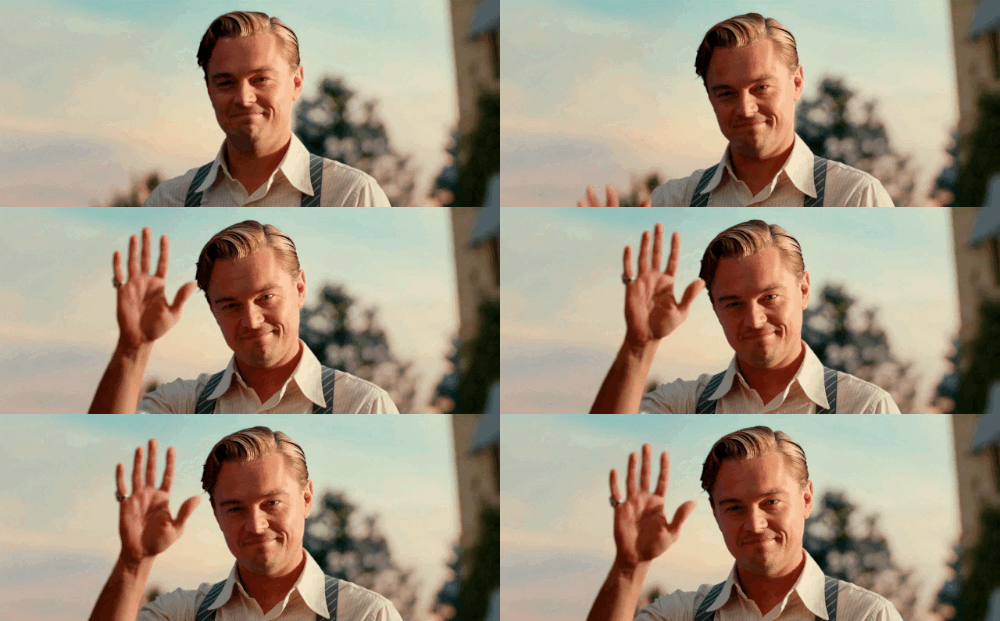
T-O-X-I-C What does that Spell!?! TOXIC!

Say it with me kids, T-O-X-I-C! Today’s blog post is brought to you by the word, toxic. That is the best word I have to describe this week’s film, Alex Cox’s 1986 film Sid and Nancy. The film follows historical figures Sid Vicious and Nancy Spungen on their co-dependent downward spiral fueled by heroine addiction, physical abuse and love(?)

I can safely say I don’t know if I will ever watch it again after this week, it wasn’t the kind of movie you would put on to wind down after a long day. Thats not to say it wasn’t a good film though. It was really quite beautiful actually but almost in the same way that a car accident is beautiful, you can’t help but look and regret it as soon you do. Alex Cox almost acts as the other driver on the highway. He locks us in the backseat of his car when he teases us with the tragic ending. Then he drives really slowly past the destructive drug fugued state that is the next two hours of Sid and Nancy. Our face is pressed up against the window glass watching Gary Oldman and Chloe Webb destroy each other in a tornado of self obsessed destruction. It isn’t until the “accident” has long past faded from the review that our guilt and numbness goes away and we can truly process what we just witnessed. I couldn’t help but wonder if we are truly suppose to find enjoyment in someone else’s demise? if we did enjoy it should we feel guilty?

I feel like the car crash metaphor fits a lot of heroine based movies. You wouldn’t say its a drug that lends itself well to a comedic perspective. LSD and marijuana on the other hand are a great way to start a comedic misadventure. The two types of movies are complete opposites of one another.

A heroine addicts descent is seen as dark and dingy with the world literally raining down trash in some cases. Movies like Sid and Nancy use dark colors and shadowy vignettes to hide in. Characters don’t laugh anymore, let alone have sex and spend most of the movie either unconscious, semiconscious, or withdrawing. On the other hand LSD trips in, like the one I have included from the movie Across the Universe are saturated in color, deep purples, greens and yellows. Colors morph and become inverted easing us in to the trippiness of the drug. Even high though everyone is still smiling, laughing letting their hands go where they want, depicting the drug as a much happier drug than heroine.

Never mind weed heavy films that are filled with non stop laughs, clouds of smoke and frequent snacks. They are usually buddy films about two screw ups who aren’t taken seriously and its just them navigating some sort of screwed ball scheme or situation.

Even if not everyone is smoking in the film the stoner is usually the comedic relief in most classic high-school based films. Either the comic relief or the all knowing/really deep one that offers the other characters the kind of wisdom only a truly stoned person can offer. You don’t typically see the heroin addict being the comedic relief of a film.

Detroit Rock City Was Not For Me but Classic Hollywood Is.

This week’s movie, Detroit Rock City, was not for me. Something was clearly lost on me because according to class this week and the nearly five hour podcast, this movie has a lot of fans. I’m just not one of them. I didn’t think it was that funny. I mean it had its moments — I enjoyed how they finally got in to the concert — but all together I just found the plot predictable and at times unnecessary. I honestly could have gone without seeing a pitcher fill all the way up with vomit. I know I already got “scolded” in class for picking apart the continuity and plot holes of the film but they were really hard for me to ignore and I had a hard time relating to the characters. Jam was nice but his story line was insane and the rest of his friends were just kind of dumb, greasy and pretty pervy to Natasha Lyonne. I honestly really don’t want to talk more about this film. I’m really happy for everyone that they got to kiss a girl and see KISS, I just wasn’t a fan of the chaotic way it went down.

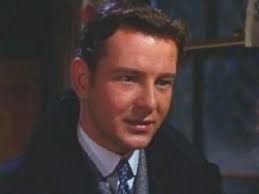
I also think I was the only 7 year old with a huge crush on Tom Drake

What I really want to focus on this week was the reading Classical Hollywood Cults as that was something I really related to. It was decided by my parents that at an early age it was important that I have an appreciation for classic Hollywood films. In other words, a lot of the films that were mentioned in this reading were on constant loop in my house for as long as I can remember. I have fond memories of dancing through puddles as my dad and I sing, “Singing in the Rain” and shocking teachers with “I was Drunk Last Night Dear Mother” from Meet Me in St. Louis.

Reading this article was a total eye-opening “holy sh*t Im in a cult” moment for me and I didn’t realize how deeply embedded I really was until reading this. I just thought everybody grew up like this. Helping family friends unpack and organize their personal museum of Wizard of Oz memorabilia. Taking boyfriends to late night screenings of Casablanca at the local art cinema on Valentine’s day. Making a birthday party of 14 year olds watch Harvey and laughing while everyone else is confused by the gaiety of large a human-sized rabbit. I am even programed to say “an angel got his wings” either in my head or under my breath every time I hear a bell ring. Never mind the family pilgrimage to Seneca Falls that was filled with Jimmy Stewart impressions. I didn’t even truly process how deep my mother is in the yuletide cult until this reading either. According to her it won’t truly feel like Christmas until we watch Charlie Brown and every other animated Christmas movie ever made. I think I am too far gone at this point and I will never be able to leave the Classic Hollywood Cult but hey its a lot better than Scientology.

Just for context for the Wizard of Oz House Museum, and a nod to the yuletide cult, This is one of seven mini christmas trees that my friend Jennifer decorates — this is the Wizard of Oz tree.

Dazed and Confused: The birth of Matthew McConaughey

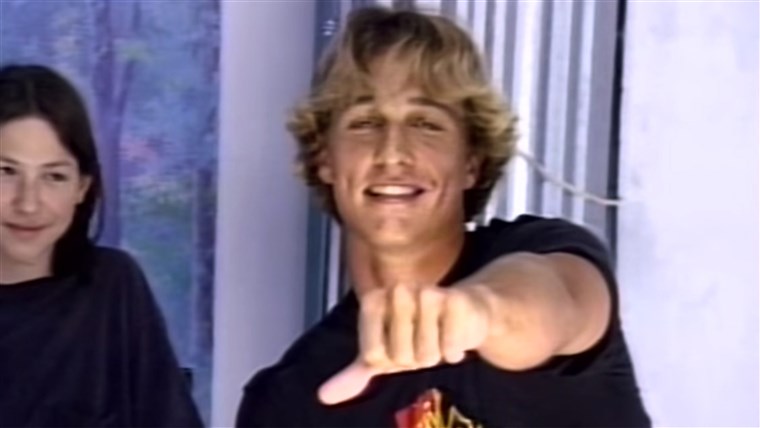
Alright, alright, alright lets jump in! This week was a lot of fun and honestly a great break from the cult abundant horror genre. We got to watch Dazed and Confused and read some pretty great articles on nostalgia and the Alamo Drafthouse.

I first want to talk about Dazed and Confused. While its not even my favorite Richard Linklater film, more on that later, its presence as a cultural meteor is undeniable and the crater it left on American society is huge. Not only did it introduce the world to Matthew McConaughey and is infamous catchphrase it was also the first movie for big names such as Ben Affleck, Parker Posey and many other young actors who went on to great things.

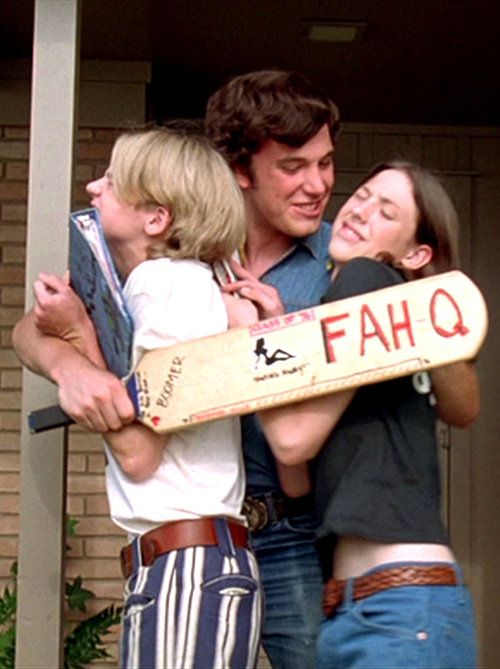
Bonus Fact: I still have a huge crush on Willey Wiggins >

This was also Richard Linklater’s first studio film, and even though he might not be a household name many of his later films are *cough* School of Rock *cough*. I have included a great 45 minute documentary from youtube about the behind the scenes of Dazed and Confused that I highly recommend checking out. It really goes into the tight constraints the producers placed on Linklater during the filming of this movie and how he still did what he wanted to do in the end and really had to fight for the movie he wanted to make.

Another thing that I found really interesting in this documentary that I think really plays into our reading Outsider Nostalgia in Dazed and Confused and Detroit Rock City is how Linklater prepared his novice actors for their roles. The reading talks a lot about how the music and the soundtrack of the films is what hits the nail on the head with the nostalgia factor and evokes the feel of the 70s time period. This wasn’t something that the Dazed director took for granted and the documentary describes how after the final casting Linklater sent everyone a packet with how he thought their character would behave, a mix tape of the kind of music he thought the character listened to, along with a note saying “if the finish product of the movie is as written it will be a massive underachievement” to really get the actors into the vibe of the film. I thought this was really trusting for director of such an inexperienced cast.

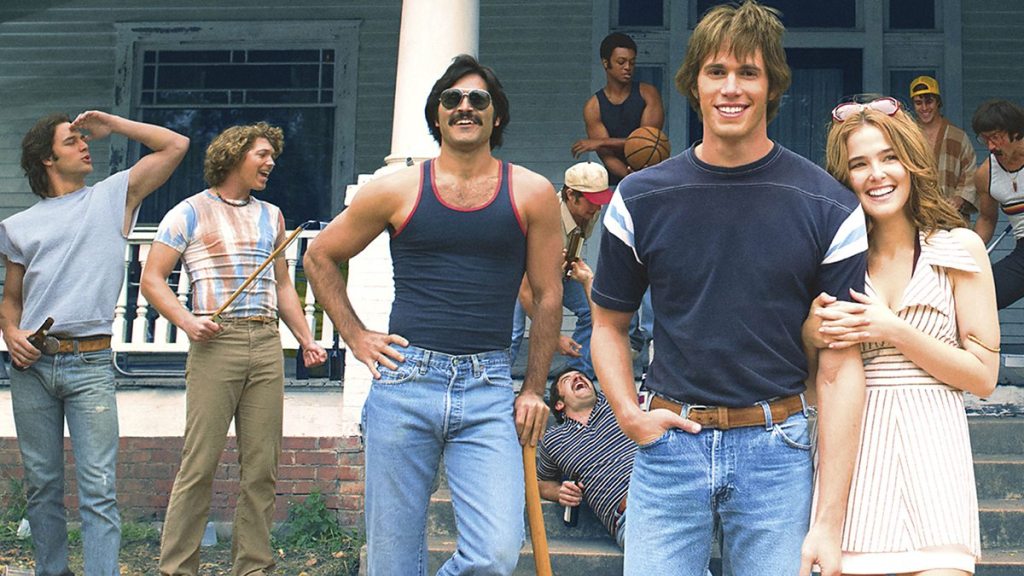
I said I would touch on one of my favorite Linklater films later because I was really happy it got mentioned in class. I stumbled upon Everybody Wants Some when it came out in 2016 in my just general quest to leave very little teen movies/rom coms unwatched. At first I just wrote it off as just another one of those before I did further research and found out it was from Richard Linklater! Not only was it written and directed by him, it was his follow up to Dazed! I watched again after that with the new information and it was a whole new experience I highly recommend it as its a great follow up to the first film.

The last thing I want to talk about is the Alamo Draft house because I just thought that sounded like the coolest place in the world. I wouldn’t necessarily want to attend its nude screenings thought and was momentarily turned off by that. However, one of my best friends in high-school and I watched all of Trapped in a Closet and constantly quoted it to each other so we would’ve been over the moon to be in a whole theater singing along to it. I also have a mother who refuses to go into the deep end of pools let alone the ocean because of the movie Jaws so I thought the screening of the film on the river with scuba divers under the water grabbing peoples legs was hilarious and I would have loved to try and dragged her to that one.

Suspiria (a.k.a the reason I will never look at the primary colors the same way ever again)

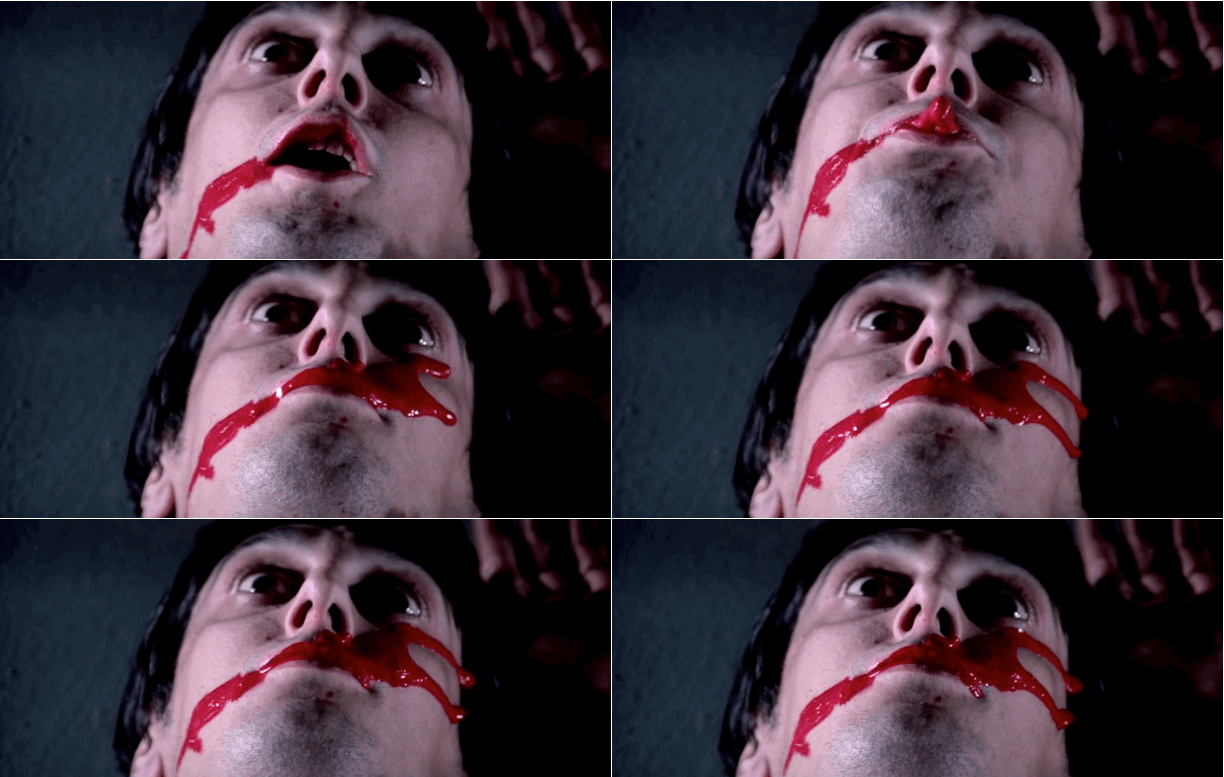
So I finally did it, I watched Dario Argento’s 1977 horror film Suspiria. Now you should know that I have been actively dodging this film for close to three years now. That is just based on the fact that I hate horror movies and this film has the reputation as a truly frighting one at that. I have had photography professors scribble the title of this film into my sketchbook telling me I had to watch it. I screened it at Critical Cinema, at the request of Kelise no less, but I just hit the play button and walked away for the night. If it wasn’t for this class I would still be actively running away from it today, but I didn’t I watched it.

I tried to do it in a way that would take away all its power as a truly scary film. I watched it on a sunny day at eleven in the afternoon over lunch. Let me tell you that it didn’t work. After the first 15 minutes, and the most gruesome double murder of the whole film, I felt physically ill, I really regretted the idea of watching it over lunch and I wanted to quit, but I didn’t. I watched it and I got scared and I didn’t like it.

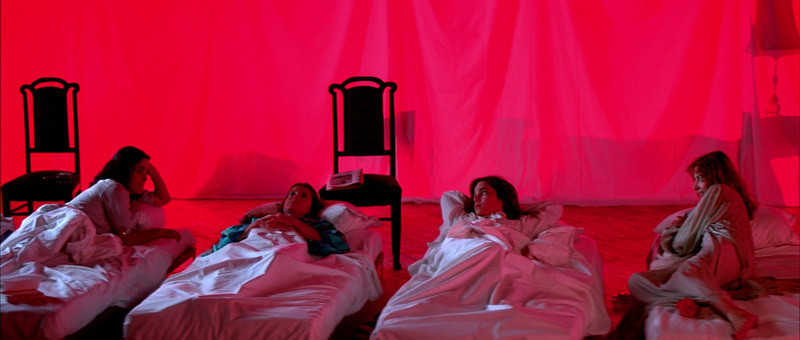
All that being said though I can understand why I was told to watch it by my previous professor and why this professor often mentioned choosing it and the readings for the art students. The colors were really amazing. It wasn’t until after reading the article Expressionist Use of Colour Palette and Set Design in Dario Argento’s Suspiria, that I had a truly deeper understanding of them and I totally understood what I had just witnessed a lot better. I found the film a little confusing at times but as the reading, Dario Argento’s Suspiria, so expertly explains the film is made up of inferences and without such the “scenes are just jumbles of [confusing] weird music and quick cuts.” These inferences described became 100% clearer in the breakdown of the three color categories Argento uses explained in the Expressionist Use of Colour reading:

The first category, the magical is the night time where the dark and sinister primary colors are saturated across the characters and scenery and the presence of witches is inferred as apparent.

The Magical

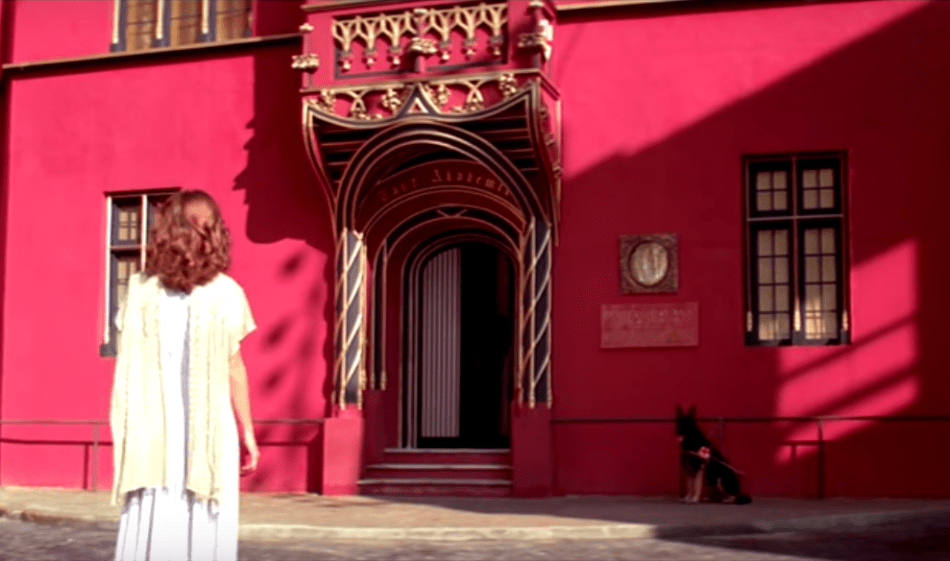
The second category is the day light where its lighter and less ominous but the primary colors are still obvious but not overpowering letting you know that the witches are still around.

The Daytime

Then last category which I found to be the most effective was that of the monochrome in places such as the convention center, inside Helga’s apartment and even the inside of the airport where the primary colors aren’t the primary focus and the viewer can almost relax for a half a second knowing they are safe from the super natural.

The Monochrome

Overall it was a visually beautiful film that I won’t ever watch again.

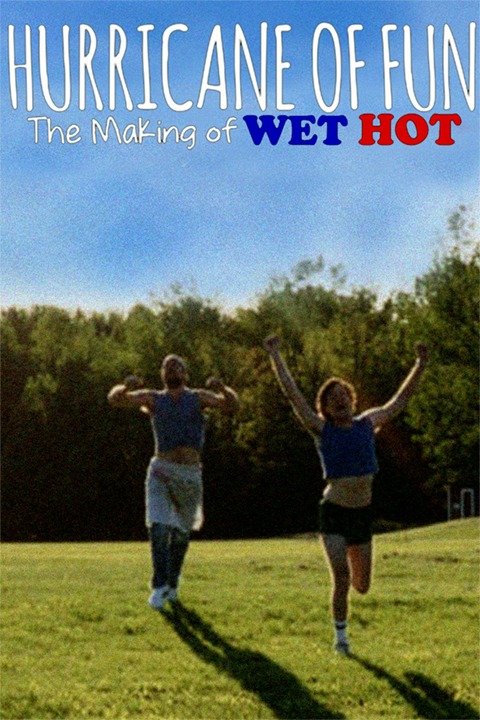
Lastly, I just wanted to touch on Jaylin’s presentation of Wet Hot American Summer. I had to step away from the computer briefly on Wednesday so I didn’t get to say this during the questions and comments portion at the end but that is one of my all time favorite movies and I think she did a great job at presenting it. I am not however a huge fan of the prequels and sequels as I think they kind of lose the naive charm of original. I will add my favorite of the series, maybe even more than the original movie, is the behind the scenes documentary Hurricane of Fun, The Making of Wet Hot. If you haven’t seen it I highly recommend as its just as fun as the original movie and it feels like you are just hanging on set with cast. It is definitely a documentary you can watch more than once.

*Blog Update* I want to apologize for up-selling Hurricane of Fun, The Making of Wet Hot after just trying to find it for myself it is no where to be found on the internet.

Valerie and Her First Week of Online Classes

So we survived the first week of online classes and it is time to write another blog post.

Before I dive into our screening/readings this week, I’d like to take the time to quickly shout-out Kelsie, Patrick, Spencer, Averi and Chris! I think they did an awesome job leading the discussion and doing their presentations this week considering this is new territory for us all and they were sort of the guinea pigs for that. Great job guys! Also I know this maybe sappy but I am very appreciative of Dr. S this week, as he somehow made this week feel (almost) like a normal class so thank you for that!

Ok enough with the sap lets talk about the film we all saw this week, Jaromil Jireš’ Valerie and Her Week of Wonders. How odd was this film!?! Am I right!?!?! I don’t know about you guys but I was kind of grateful for this new online format and having to watch this film on my own, just for the the fact that I was able to pause and rewind certain parts and process what I was watching exactly. This film was visually and audibly beautiful with its soft colors and haunting church music. Though, I don’t think I am alone when I say that I was confused for an hour and twenty-four of this hour and twenty-five minute long film. Everything seemed a little clearer in the last minute of the film though when Valerie seemed to wake up in a bed in the middle of a field and everything I had just witnessed was a dream??

Watching this film felt similar to the first time I watched Alejandro Jodorowky’s 1973 film The Holy Mountain, and even Terry Gilliam’s 2009 film, The Imaginarium of Doctor Parnassus. You’re going to have to bear with me as I try to describe to you this feeling as it is hard to put into words. With all three films it felt as if as I watched them I could not only physically feel my movie knowledge and credibility as a movie buff/nerd expanding but, also as if I had just fallen head-first into a new weird world that I was excited, scared, and confused by but still never wanted to leave.

I think that’s kind of what Valerie felt like in her world too, excited and scared. Excited by the ideas of growing up and the new sexual world around her, as men make love to women on fallen trees and drops of menstrual blood fall gracefully on flowers but never on nice white sheets, or nice white floors, or nice white dresses. (As a woman I had a hard time ignoring the logic on that one.) While she was also scared by fact that she is no longer living in the naive fantasy world of a child and she is learning that the people who are suppose to protect her and she is suppose to be able to trust can be evil and predatory vampires, or rodents disguised as vampires????

I think Patrick was right to point out the quote in Jana Prikryl’s article Valerie and Her Week of Wonders: Grandmother What Big Fangs You Have!, that describes the story as ‘concretely irrational psychic collage freely borrowing from the genre of so-called pulp literature everything belonging to the nethermost regions of our unconscious.’ as that perfectly describes the film I just watched and the world I just entered.

Now, if you’ll excuse me I am going to go watch it/enter that world again.

Come out to Plaaaayyyyay

Coming into this week I had never seen the movie, The Warriors before, however as soon as I told my father that it was the film this week I was immediately interrupted by his best Luther impression reciting the classic line, “warrriorrs come out and plaayyyay.” Now this is something I had heard from him many times before but never really understood the reference and just shook it off as my dad being weird. That was until this week when I saw this movie and fell in love with it. After watching this film I had many thoughts and questions about it and am very eager to talk about them here.

I really liked how Chris described it as ‘a very long chase scene’ and what I believe Mary said about seeing other films cover the whole plot of this movie in about 15 minutes, because I believe both those things are very true. I don’t think you could really make this movie and specifically this movies plot again now as I think the audience would get bored but the way Walter Hill directed it, it never did. The main thing that kept my attention was all the very weird gangs that kept coming after our heroes the Warriors. I am used to gangs in films being depicted as tough and leather glad, which to their credit some of them were, but others were just plain weird. I honestly couldn’t pick a favorite between the Lizzies, the all lesbian gang who seduced the Warriors with their femininity only to pull out guns and be just bad enough shots that our heroes get away, or the Punks, the large gang of long haired men in overalls or the Baseball Furies, the baseball clowns? Each one gets a little weirder then then next.

The Lizzies
A Punk
A Baseball Fury

When it came to our readings this week I thought Peary’s article on The Warriors was a really interesting almost ‘behind the scenes’ look into the film. What really stuck out to me first that I found to be quite fascinating was how inciteful the poster was compared to the film.

Getting into the mindset of the crazed conservative down the street I could see how this poster could be scary, the eye contact of the characters is very confrontational and the phrase “They out number the cops five to one. They could take over New York City” is a daunting thought. However once you see this film you can clearly see, through the lack of civilians except, for some innocent prom goers, that these night armies mean no harm to you, they are only after The Warriors.
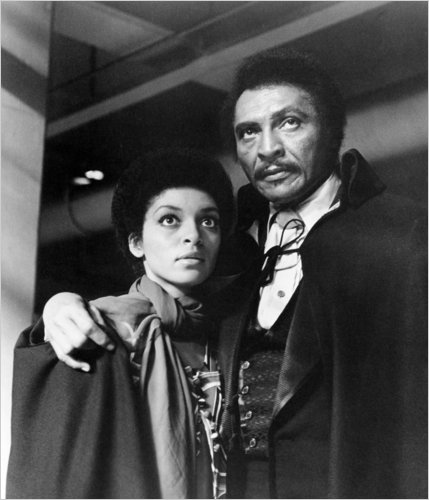
My last quick thing about this film that I found to be quite confusingly funny is how even though everyone in the city was out to kill them all the Warriors, who didn’t die, at some point in the movie stopped to have sex. Whether it was Ajax trying to rape the undercover officer, Swan and Mercy getting close in the subway tunnels or the three Warriors seduced by the Lizzies they all had one track mind while everyone else was trying to kill them. Call me a prude or not romantic but thats way to stressful of an environment for me to even think about anything like that.

Marketing and Mamuwalde

There are a few things I would like to talk about this week as I found this week’s readings and our screening of Blacula really interesting.

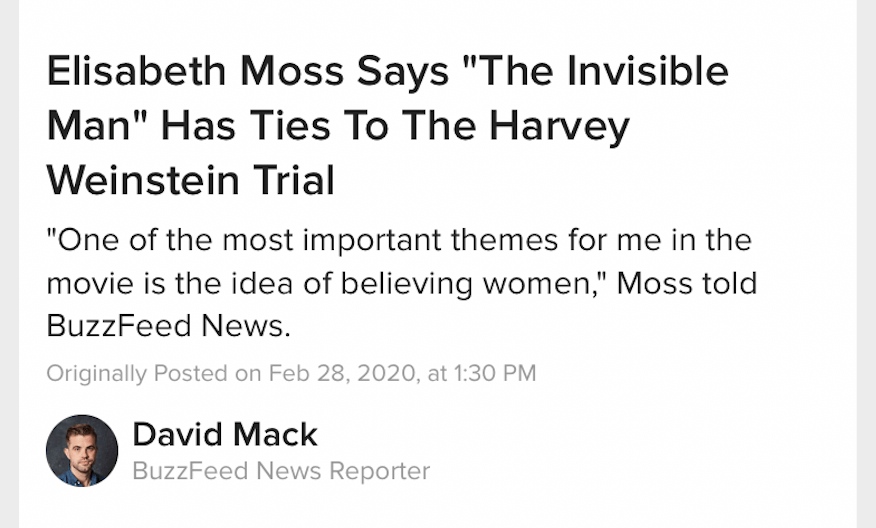
Before I get into the film though I really want to talk about the reading, The Cult Cinema Marketplace and particularly it’s subsection about marketing. I found this section to be quite fascinating. I often feel as if I am surrounded by constant advertising, and as a result of that I found that this chapter pulled back the curtain and revealed the thought that goes into these ads we see everyday and allowed me to reflect on some of them. One technique that got mentioned in the very beginning of the section was the ploy of associating a film with a topical fear/issue that is happening in the media at the time of the film in an attempt to tie the film to an already highly discussed topic. At first I couldn’t recall a good example this technique in action. That was until about ten minutes before I sat down to write this blog post and in an attempt to delay my responsibilities and surf the web I came across this BuzzFeed headline….

Posted the same day as the movie’s release and four days after the conviction of sex offender Harvey Weinstein, the article is a clear example of this idea of connecting a movie to a highly discussed hot-button issue.
Another technique I wanted to talk about that was mentioned in this section was the use of stunts, rumors, scandals and daring an audience to ‘sit through’ and experience. I think Sam did a great job in his presentation this week explaining how Paranormal Activity used this strategy effectively in its promotion and the “demand it” feature associated with its screenings, the reading even mentions this. It also mentions The Blair Witch Project and how it used the internet to blur the lines between fabricated and genuine scandals/rumors associated with the film. While reading this I was reminded of a similar publicity tactic I had read about that had happened 19 years before. In similar style to The Blair Witch Project, the 1980 Italian horror film, Cannibal Holocaust directed by Ruggero Deodato, was shot using a found-footage documentary style focusing on the killing of a documentary crew by a tribe of cannibals. In a grand publicity stunt to make it seem as if the footage was real and the killings truly happened Deodato had his actors sign an agreement stating that they would not appear in any media for a year following the release of the movie. It wasn’t until Deodato was arrested and charged with murder that he had his actors resurface and appear in an interview all together. I think that this is truly a great example of using a fabricated rumor to your advantage when publicizing a film.
Before I wrap-up I would like to briefly talk a little bit about the movie Blacula. I really enjoyed this screening. I particularly thought the soundtrack was truly spectacular and I couldn’t help but dance in my seat every time it came around. It is very evident in the film and expertly articulated in the reading, Deadlier than Dracula, that Mamuwalde is no ordinary vampire of his time. He is a true noble gentleman only killing because of his cursed lust for blood. As a woman, I truly appreciated Mamuwalde’s treatment of Tina. In the scene where he tells her that he sees her as the reincarnation of his late wife I was fully prepared to watch as he raped and killed her if her reaction to the news was negative. I was greatly relieved when he said he would do her no harm either way she took the news and proceed to leave peacefully. I was quite pleased when he did not try to infect her with his curse and only bit her in an attempt to save her life. In my opinion Mamuwalde is a true romantic anti-hero.

Now as a woman in her twenties who attended a middle school that was split pretty evenly between ‘team Edward’ and ‘team Jacob’ I can’t help but think that Blacula paved the way for such movies as Twilight. As it is mention in the Deadlier than Dracula reading, before Blacula the character of Dracula was often depicted in the Victorian era and used his powers to control the woman he desired. It was Blacula and Mamuwalde who placed vampires in a more modern context of 1970s Los Angeles and as a character capable of love toward another and not just a desire for carnage. Therefore in theory — the girl with the Edward Cullen folder who sat next to me in 7th grade french class has Mamuwalde to thank for her deep desire to date a vampire.

Purgatory of the ‘Other’

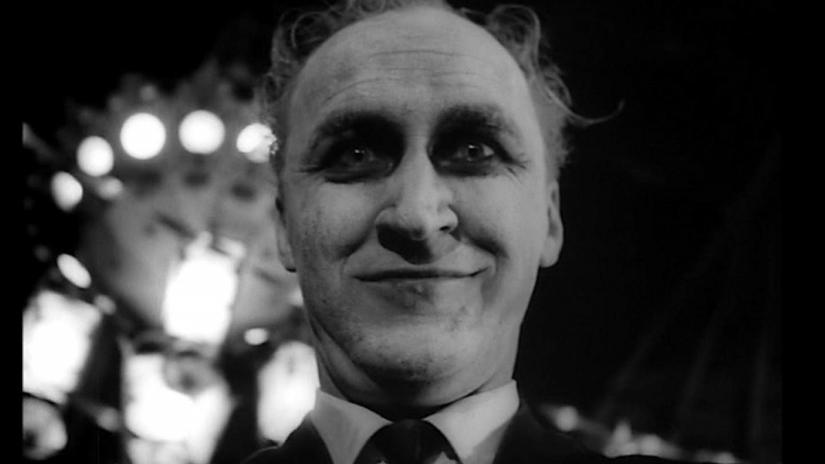
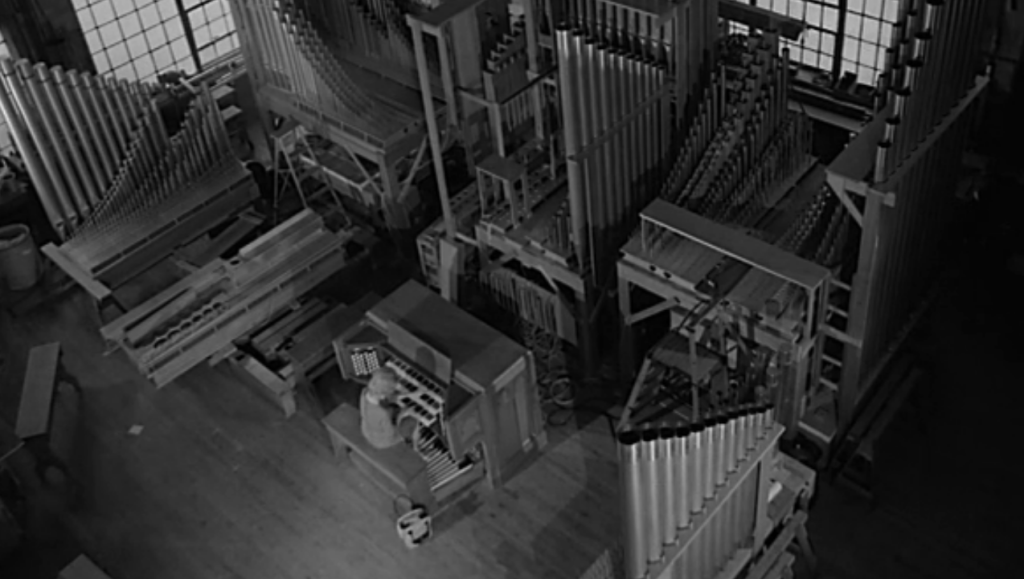
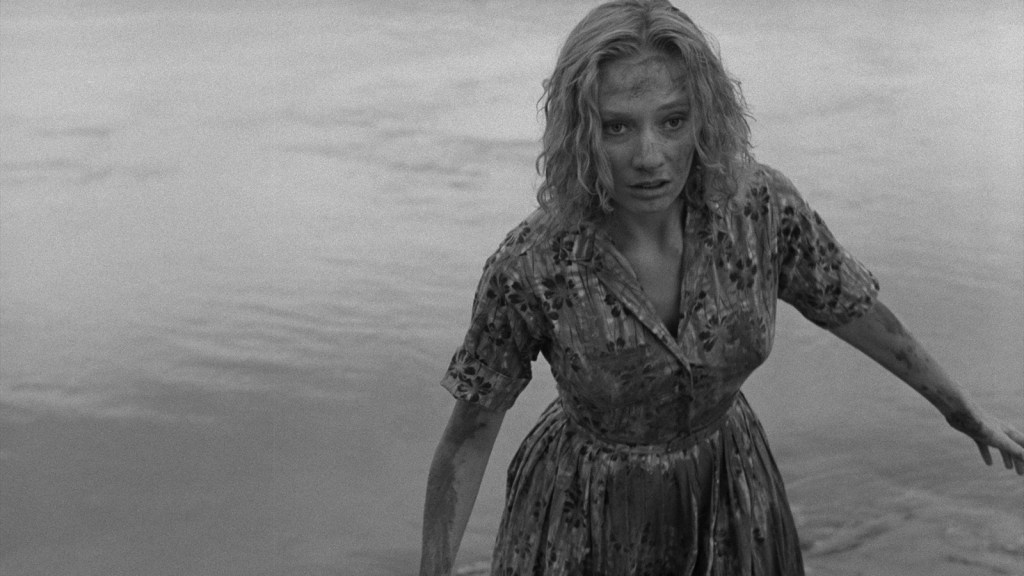
Ok let’s do this! Let’s talk about what happened this week. The first thing I would like to discuss is Herk Harvey’s 1962 movie, Carnival of Souls. The film’s plot follows Mary, played by Candace Hilligoss, has she descends into a state of madness and purgatory following a car accident that happens in the first five minutes of the film Often times Mary finds herself more dead than alive even completely invisible to the rest of the world. I really enjoyed this movie, not going to lie though the unnamed male ghost that keeps appearing to Mary, definitely scared me pretty badly when he kept popping up randomly in the film and in my dream later that night. That being said it was Harvey’s effective use of high camera angles and dark shadows that kept me on the edge of my seat during the film. Harvey often shows Mary in high angle shots giving the audience a sense that she is in a position of venerability. What I found to be particularly effective in evoking my sense of fear/nervousness was the fact that often times you didn’t know who’s vantage points the high angles were attributed to. This gave the idea that Mary was often being watched by people that didn’t exist.

A high angle shot of Mary rehearsing the organ.
A slight high angle shot of Mary emerging from the river.

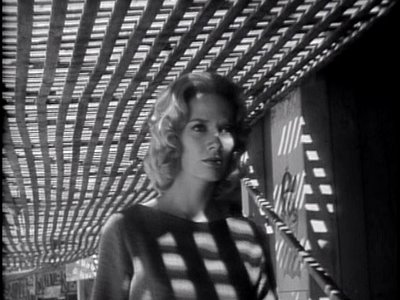
Another highly effective element in the film is Harvey’s use of shadows. Harvey uses shadows to create a deeper layer of darkness and mystery for his audience. We often see the shadows falling over Mary’s face this allows for the the idea that she is not quite in the light and not quite in the dark, alluding to the idea that she is in this purgatory between life and death. This is particularly effective when Mary goes to visit the old abandoned carnival sight, the home of the ghostly souls that haunt her.

Mary covered in a lattice of shadows at the carnival.
Mary’s face covered in slanted shadows at the carnival.

Overall Herk Harvey’s Carnival of Souls uses the highly effective film making techniques of high angle shots and shadows to create a suspenseful and thrilling narrative that keeps audiences on the edge of their seats.

The second thing that we discussed this week that I would like to talk more about is Mark Jancovich’s essay titled Cult Fictions: Cult movies, subcultural capital and the production of cultural distinctions. While I covered most of it while leading the reading discussion this week I found this particular reading very interesting. I really found Jancovich’s points about the issues of defining the ‘Other’ to be quite confusing at first but upon the fifth re-reading it was very fascinating. From what I understood the ‘Other’ he is talking about, in the most simple and naive terms, is the other side of the audience from the cult film viewers, the mainstream and the block buster participants. However Jancovich’s biggest criticism is the fact that there isn’t just one classic cult film fan mold that we all fit into that allows the “other” side to be so cut and dry and its wrong to say that there is. It is the beautiful quilt of niche genres and fandoms that allows the cult film community to be so interesting and diverse. In this quilt we are divided into patches of horror lovers, sci-fi nerds, people that just like the weird movies about friends, and many other groups. It is because we are so divided in these patches that we often see the patch next to us as the ‘other’ side instead of this completely separate blanket of the mainstream. Jancovich’s main argument is that it is naive and ignorant to just define the ‘other’ as this outside source and only think of our own cult community as a one solid blanket, instead of the patchwork of ideas and genres that make the community the beautiful quilt it is.