Author Archives: emmakarch

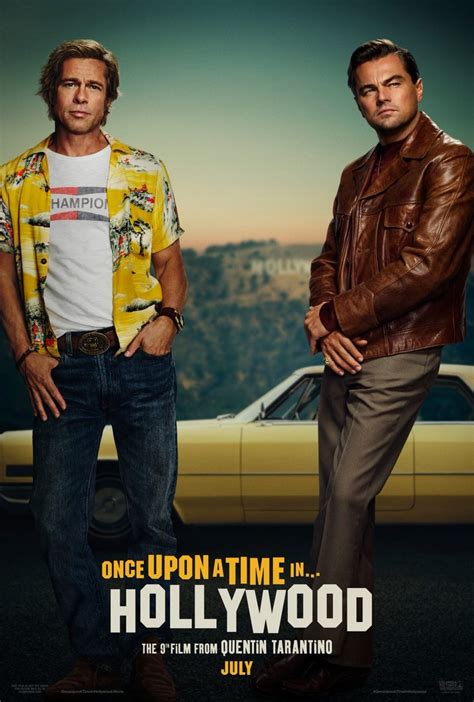
Once Upon a Time in Hollywood & Cult Films

Another semester is at its close. As crazy as this year has been, I’m grateful I was able to take Cult Film this semester. Film classes have always been the highlight of my courses, and I am glad I got to participate in one last class before graduating. And now it is time for the mega blog.
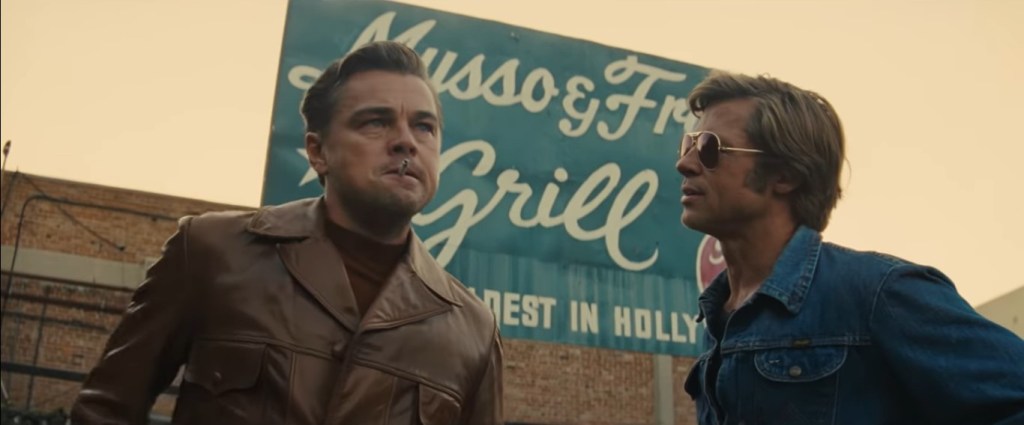
I’d like to begin by discussing our last screening, Once Upon a Time in Hollywood. This was my favorite screening of the semester, right above Carnival of Souls. But I didn’t like it initially. The slow pacing was jarring, in the beginning. I was also distracted at home and kept pausing the film, which dragged it out longer. However, after finishing the film I realized the pacing was brilliant. Especially during the Manson Family scene. The slow, creepy build up was realistic horror. No monster jumping out of a shed with a chainsaw, just a bunch of mind washed freaks waiting for Cliff to make one wrong move. I found myself really getting invested in the characters. While I can’t imagine anyone beating Bruce Lee (seriously, Bruce Lee?!), I loved watching Cliff in ever fight. It also helped that, even if he was suspected for killing his wife, the audience never sees an ‘evil’ side of Cliff. He turns down an under-aged hippie’s sexual advances, checks in on an old friend in fear that he is being taken advantaged of, loves his dog, and cares for his celebrity friend. It’s hard not to like Cliff…even after he and his dog kill two people on screen.

I’ve been a martial artist since I was 6, so Bruce Lee was my icon as a child. So this portrayal of him was not my favorite part. Still loved the film though.

I also really enjoyed DiCaprio’s character, Rick Dalton. While I didn’t care so much about his struggles in the beginning, watching his scene with the young actress really made me feel for the guy. Again, the audience is able to love him because we don’t see any fault in him—he looks out for his best friend/employee, he’s nice to little girls, he’s polite to everyone he meets. Its also important to note how great both Dicaprio and Pitt were in their performances.  Even I noticed how great the acting was in this film, from the leads to the secondary characters. Everyone gave their all, and you can see it.

Look at that dog. What a cute doggie!

But how can we talk about Once Upon a Time in Hollywood without discussing that ending? Because…damn. What a finale. Again, I had to sit and think about how I felt about it after watching the final scene. The Manson murders are one of the most infamous cases in America history, and just seeing those scenes of Sharon going about her daily life made me tear up. When the film stared narrating the events up until the Manson murder, I was bracing myself for a worst. So I was completely taken about when the psycho hippies changed their plans. Yet, that decision felt realistic, after their confrontation with Rick. At first, I wondered if this re-imagining was disrespectful to the victums. However the film is not mocking the Manson Murders, but the murderers themselves. Watching Cliff, tripping on acid, kick the ever living shit out of those monsters was something I did not know I needed in my life. Also, love that dog. Go Brandy go! But man, what a brutal scene. I want to meet the make up artists for this film, they deserve an award for those effects. I almost gagged several times just listening to Cliff bash that girl’s head in. So gross…but not as disturbing as the actual Manson Murders. Even Rick’s new wife got in a good shot at the criminals. Never mess with an Italian.

The last scene, with Rick being invited into Sharon’s home, really got to me. Once Upon a Time in Hollywood is not an insult to Manson’s victims, but a mockery of Manson and his zealot followers. If only Rick and Cliff were real. If only Sharon, Jay, Wojciech, and Abigail had survived. This film isn’t about Manson—its about the heroes who manage to stop him in this alternate world.

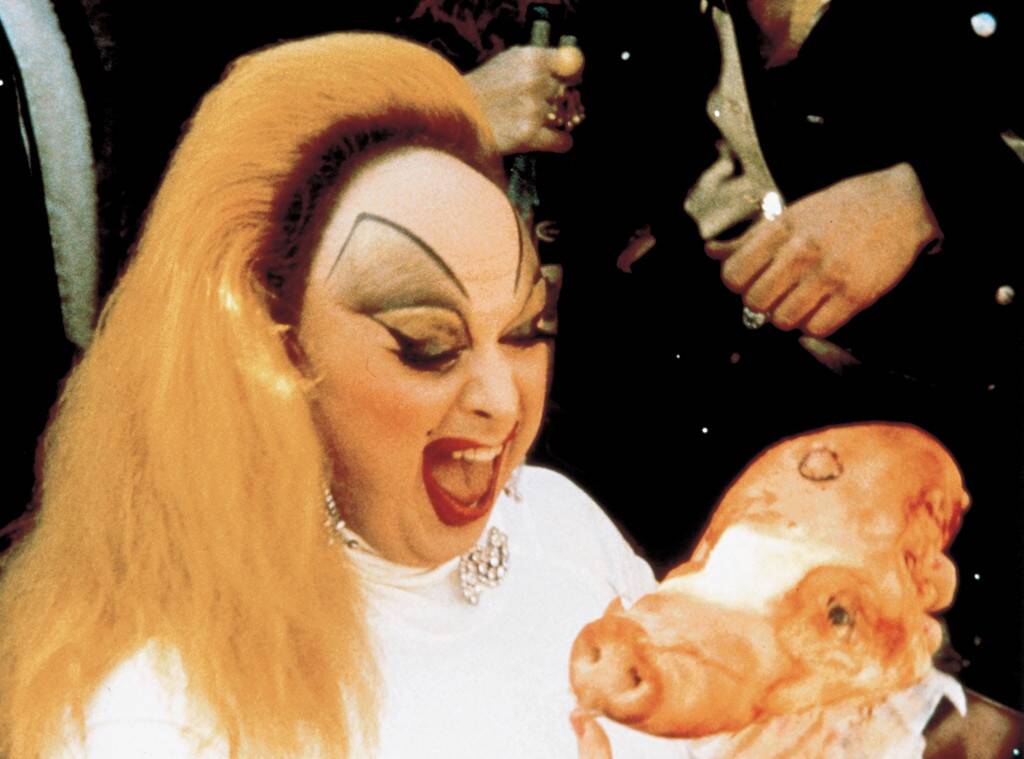
Once Upon a Time in Hollywood is a new cult classic that I can’t wait to share with my family. But what is a cult film? As we’ve learned, cult cinema is a unique branch of film that centers around the audience’s ‘worship’ of a particular movie. Cult film fans enjoy films that are either unknown in mainstream society, or down right rejected by the mainstream. And yet, that is what makes these films so loved. To love something that everyone else looks down on makes you unique, makes you and those like you stand apart from the mundane tastes of everyone else. There is very much an ‘us vs them’ mind set with cult film. Either you love the disgustingness of Pink Flamingos and consider it a film like no other, or you label it a bad movie and try to never to think of it again.

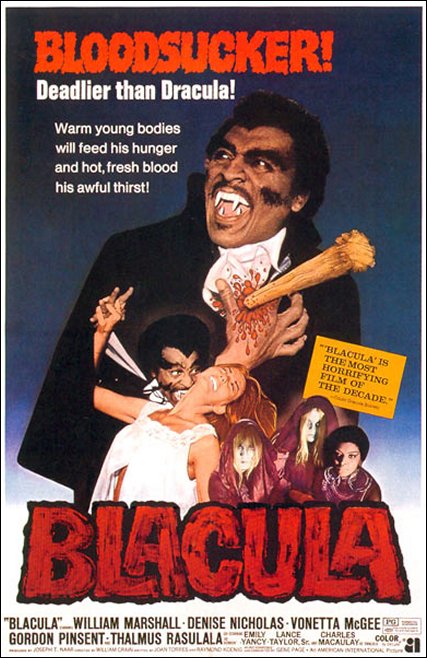
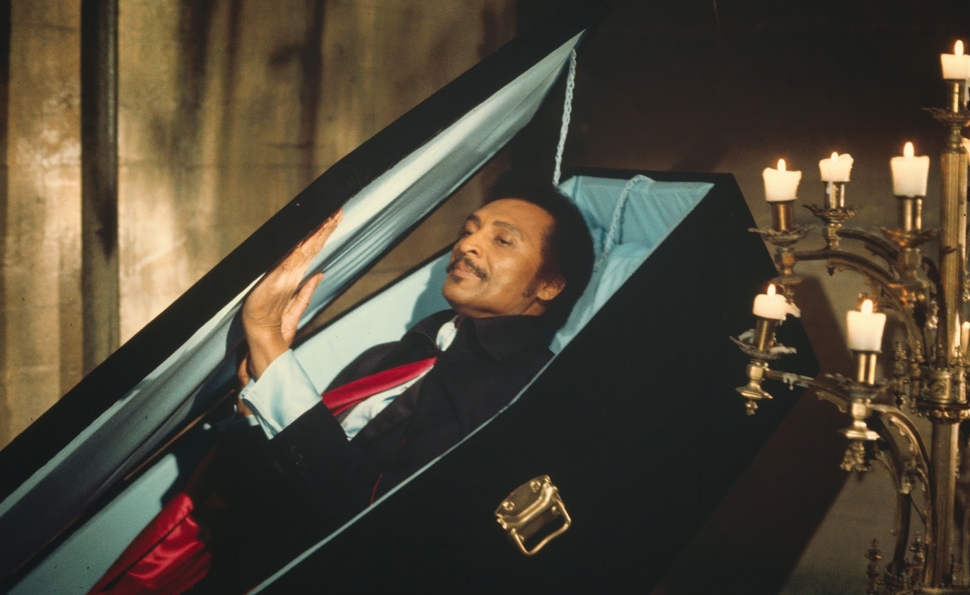
But what draws the audience in? Often, it is the films ability to show something taboo. Midnight features and Grindhouse Theaters gained fame for their showings of movies that other theaters felt were too risky to show anywhere else. That’s exactly where Rock Horror Picture Show gained its cult audience, resulting in their active participation of the film. Some fans would even act out the scenes in theaters during the showings. Pink Flamingos is once again a great example of a cult film, in that audiences today still see it as the most disgusting film ever made, which was its intended purpose. Some films are considered cult because of how under rated they are by the main stream. Carnival of Souls is a wonderfully unsettling film that, for some reason, many people have not watched. Herk Harvey, who wrote, directed, produced, and even starred in the film, had an initial budget of only $17,000. He was only able to create the film thanks to help of local businessmen and his friends, who pitched in by either making donations or starring in the film.  Some cult films gain recognition for standing above others in their genre. Blacula, a blaxsploation film about an African prince turned blood sucking anti-hero has one of the best actors starring as its lead, William Marshall. While Blacula could have just been another quick cash grab for black audiences, Marshall made this film fantastic in the seriousness he took in his roll. It didn’t hurt that Mamuwalde got to take out a couple of L.A cops in the final fight either. Blacula became so much more than an exploitation film thanks to dignity and suave Marshall brought to the story and characters, making Mamuwalde a heroic black icon.
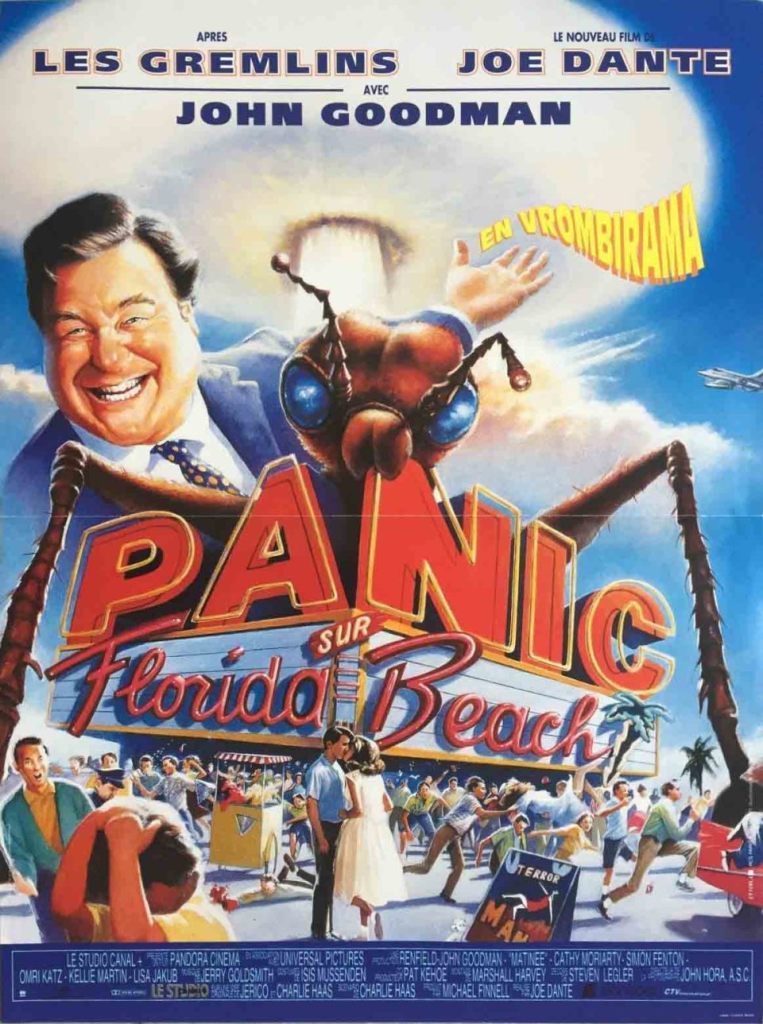
Perhaps a cult film is all about nostalgia. While we watched no less than three rock and roll cult films, my favorite was Dazed and Confused. Made in the 90s, this film gives a realist take on the last day of school for 1970s teenagers. With such a large cast of characters, its easy to find at least one relatable. In contrast, Sid and Nancy was a tough film to get through. While one of my least favorite films this semester, I respect the film’s brutal honesty in its portray of these two infamous individuals. My main issue with the film was how hard it was to understand the characters. Their accents were incredibly difficult to understand, and that’s without their constant swearing and slurred speech when on drugs.

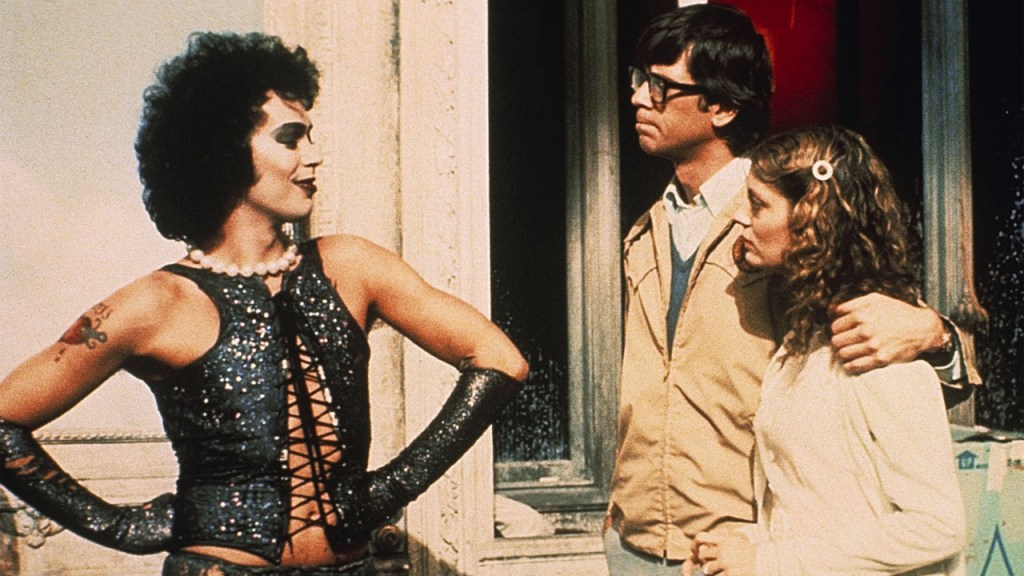
My only recommendation for this class would be to pick one rock-and-roll film. I enjoyed Detroit Rock City, but between all three of these rock films, Dazed and Confused stands out as the most memorable. Surpiria and Valerie’s Week of Wonders were great when showed back to back, and are a must see for the course. While I wasn’t in love with Matinee, I did enjoy the story after watching Sid and Nancy. Instead of three or two rock films, maybe show Night of the Living Dead, or Rock Horror Picture Show. When I think cult film, I thing Rocky Horror, so I was a bit surprised that we didn’t watch it. Then again, Rocky Horror has become more mainstream in recent years.
Lastly, I want to say how much I enjoyed the presentations. Seeing everyone talk about their own cult films was really enjoyable. Special shout to Trolls 2 and Back to the Future—I remember those two presentations the most. You gave us a lot of freedom in this class, Dr. Schlegel, and I greatly appreciate that. I’m glad I got to take as many classes as I did with you. You are one of the professors I am going to remember and miss after graduating.

Take care everyone. Stay alive, stay safe, and have a great summer.

Thats all folks wallpaper | Wallpaper Wide HD

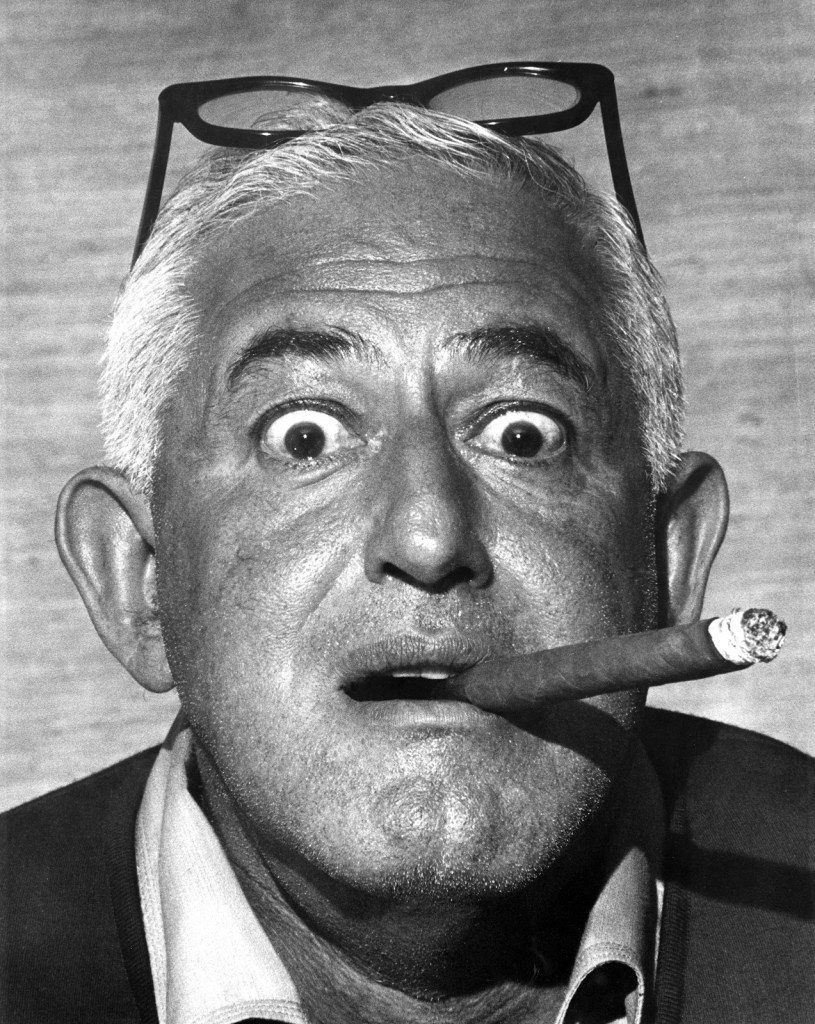
William Castle: The King of Gimmicks

 “Cult cinema is not singular, but a pluralistic term that is an ideology that manifests itself in audiences, at screenings and in filmmakers.”

A direct quote from Programming Cult: Fantasia Film Festival and Programming Oppositional Taste, this is what our whole class has been about—defining cult cinema. Movies themselves are an experience, an experience people can share together. However, it is not the films themselves the audience who define a cult film. And what if, an audience experienced something so unique, the film itself wouldn’t matter?
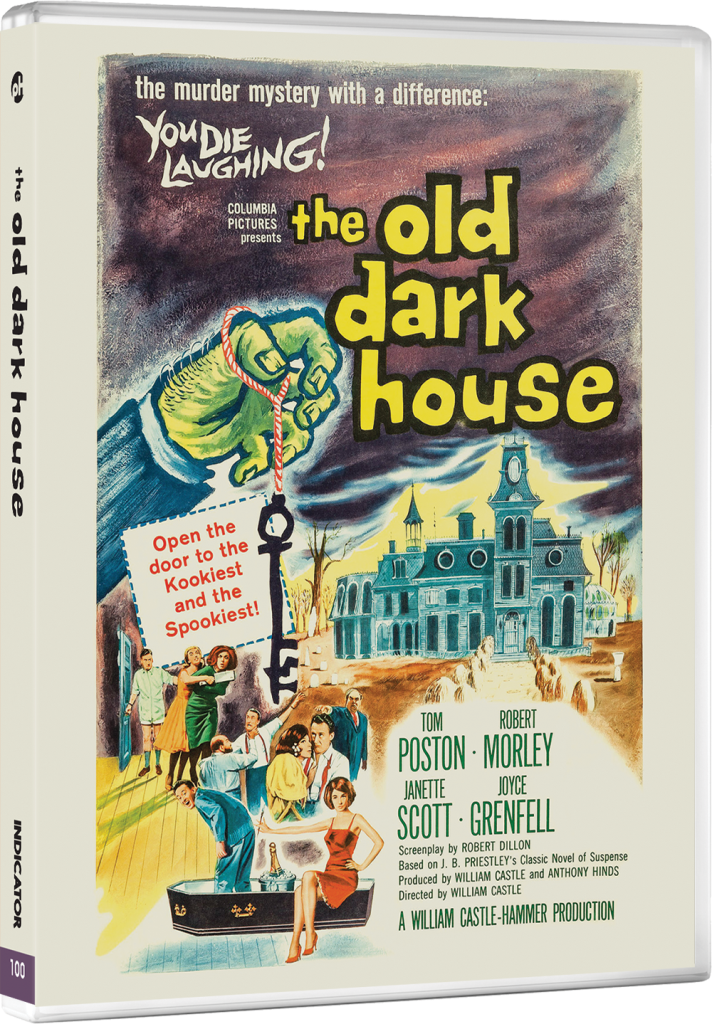
Director William Castle understood the importance the movie going experience. Born in LA California in 1914, Castle was known for two things—his B-list horror films and his clever marketing tactics. While he started his career as theater actor, even appearing a few films but never openly credited. His first role as director was for a documentary called Coney Island in 1939. Many have compared Castle to George Melies, the grandfather of film, due to his clever innovation of special effects Castle used in theaters. To quote another reading,

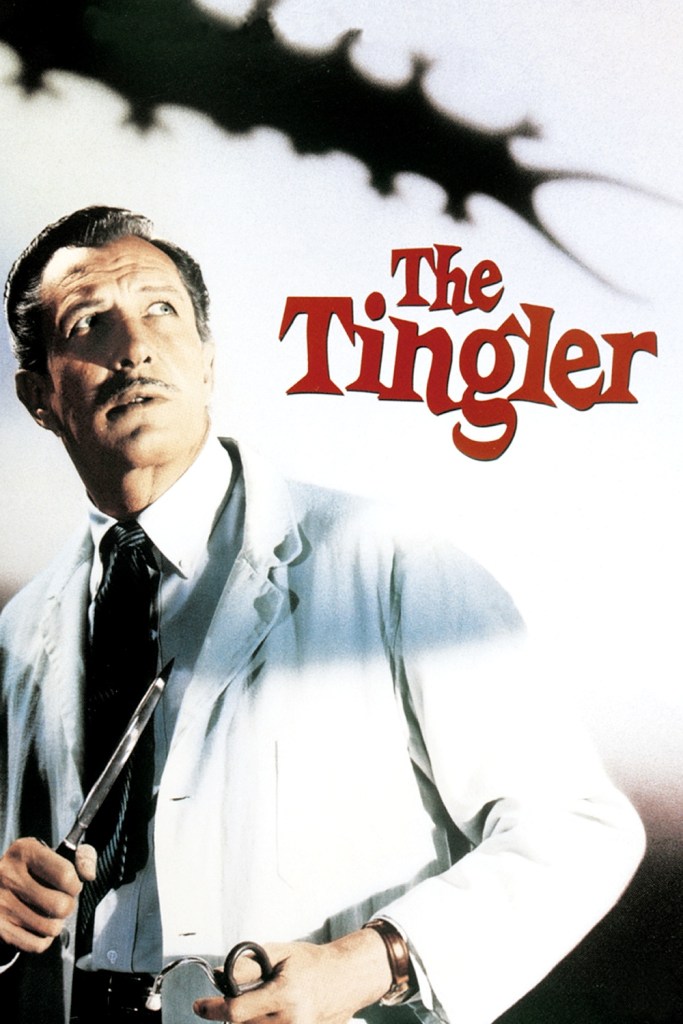
“Castle’s gimmicks attempt to reach out to the audience and incorporate them directly into the cinematic experience, to restore the real or imagined experience of the early cinema spectator.” Castle gained his fame (Collective Screams: William Castle and the Gimmick Film) Just as Melies used special effects in his films, Castle brought those effects directly to his audiences. You didn’t just see a Castle film—you lived it. Castle’s first ‘gimmick’ film was Macabre (1958), in which Castle promised views $1000 life insurance if they died by fright. Castle even got Vincent Price to stare in House on Haunted Hill (1959), a film where Castle would fly a go in the dark skeleton over the audience. Perhaps Castle’s most infamous gimmick was from his film The Tingler. For this show stopper Castle rigged the theater seats to release an electric shock at key moments in the film. In 1967, Castle acquired the rights to book Rosemary’s Baby. However, Castle was denied the position of director for the film, instead acting as the producer.
Castle often considered himself the P.T. Barnum of films. He also modeled himself off of Alfred Hitchcock, and it is said that Hitchcock took inspiration from Castle when directing Psycho. Castle’s legacy can be seen in modern films and even amusement park rides. However, the biggest homage to Castle was the 1993 film Matinee.

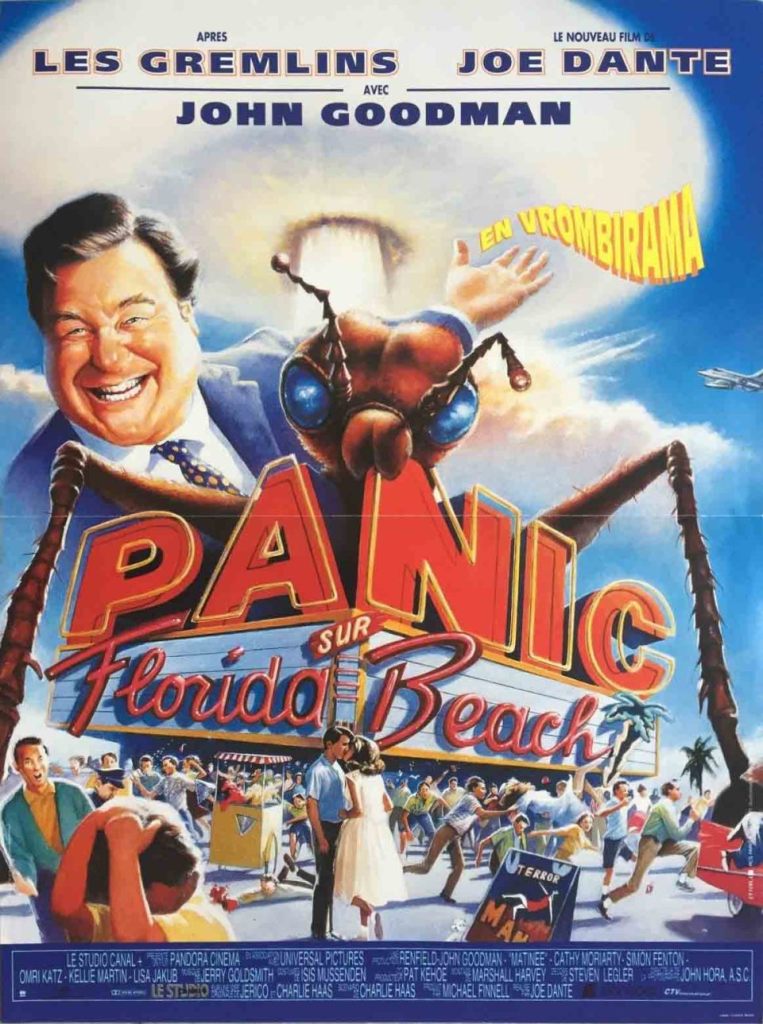
What I admired most about Matinee is the accuracy and attention to detail. The fashion, the modern slant, even the record players and TVs capture the feel of the 1960s so perfectly. While the film is listed as a comedy, it doesn’t really deliver. If anything, I found myself smiling a few times, but never outright laughing. There were also several characters in the film that, I feel, were unnecessary. Was Stan really a key character? The guy didn’t do anything, and if you removed him, his girlfriend, and her ex from the film, you’re not losing anything vital. If anything, the weird love-triangle was more a 90s trope than anything. John Goodman was a nice casting choice. While I don’t see the physical resemblance to Castle, Goodman does capture his suave and general air of cleverness. Matinee was a nice change after all our past screenings.  A generally enjoyable film about a key character in film history.

Love Kills

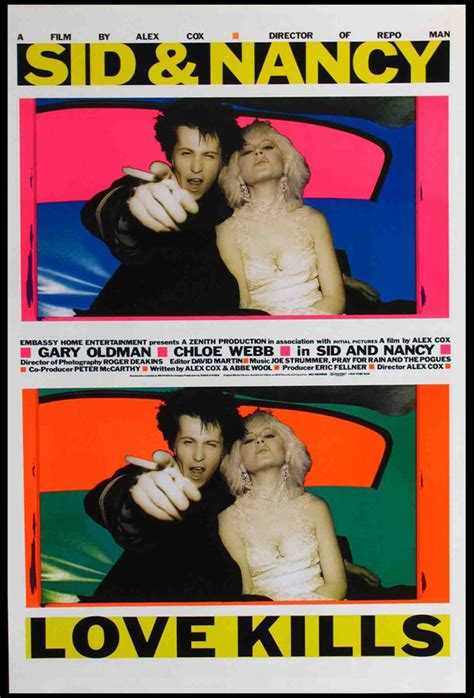
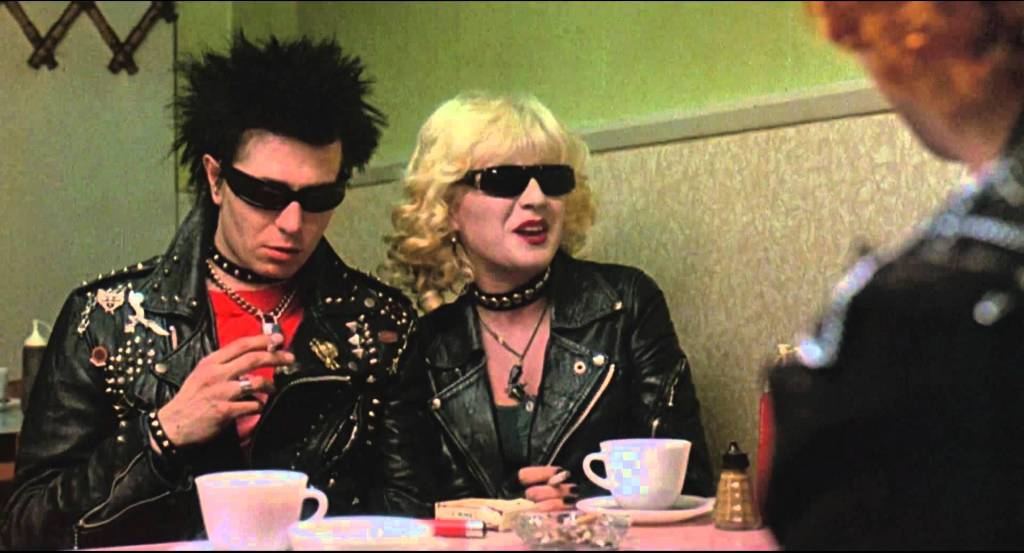
For our twelfth week of class, we watched Sid & Nancy, a cult film based off the lives of Sid Vicious and his girlfriend Nancy Spungeon. In the past, we’ve discussed how cult films often include taboo elements that main stream society finds offensive. Gore, violence, homosexuality, and drugs are themes Hollywood tends to avoid when looking for a box office hit. But director Alex Cox wasn’t looking for box office records when filming Sid and Nancy—he was going for realism.

Great quick video discussing the case of Sid and Nancy, forty years after their deaths.

As our reading of Spectacular Recuperation: Alex Cox Sid & Nancy states, historical films can be risky. There is a fine line between retelling events and twisting facts. At what point does using a creative licence to fill in the blanks do more harm than good?

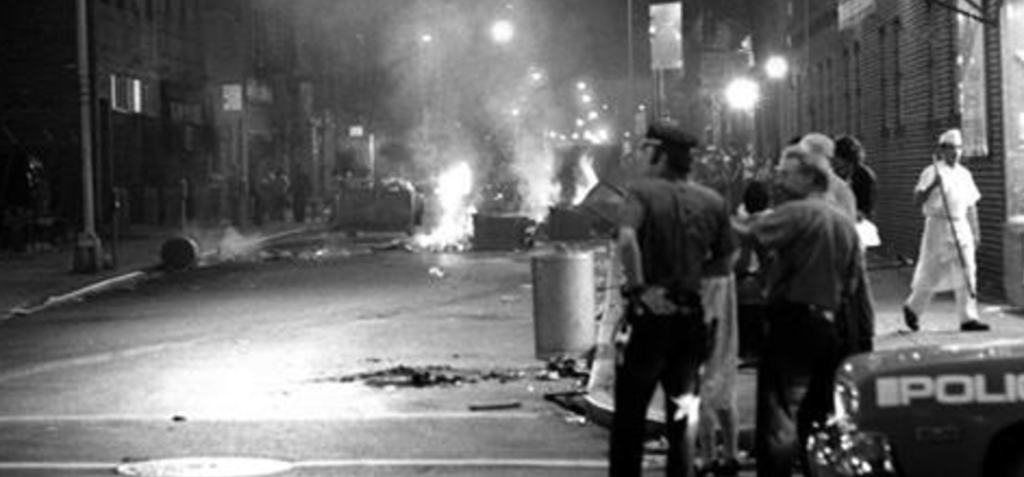
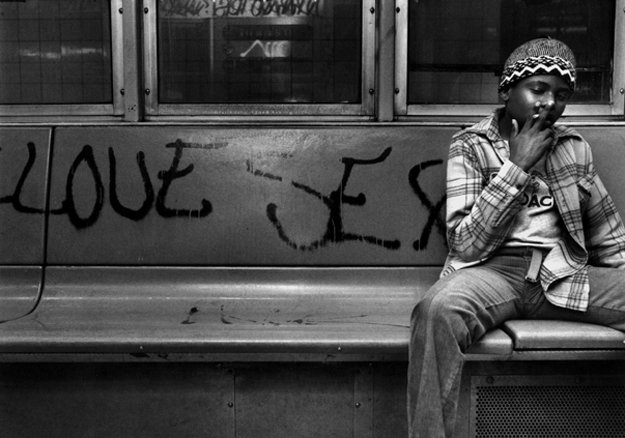
The story of Sid and Nancy is also the story of Punk Rock. First popularized in the late 70’s, punk is a music genre born from chaos. London and New York City were lawless cities, with druggies in every ally and gangs fighting on every street. England in particular was faced with high unemployment, and there was much distrust between the older and younger generations. This was due to the heavy drug usage and ‘hippie’ movements that are now an iconic staple of the decade.

While Dazed and Confused and Detroit Rock City both showed the use of pot in their films, Sid and Nancy focuses on a less enjoyable drug—heroin. Overall drugs play an important role in cult films. As stated in our reading of Cult Cinema and Drugs, drugs tended to define their users. Some subcultures of hippie groups would distinguish themselves by their choice of drug. In many ways drugs have defined generations.  Surprisingly, drugs have been in cinema since the creation of film, the first being a 30 second shot for an opium den in 1894.

I will be completely honest here—I did not understand what was going on for the first half of the film. All anyone did on screen was shout, curse and mumble in thick accents that made them near impossible to understand. Eventually I just paused the film so I could look up what the hell was going on. I had never heard of Sid Vicious or Nancy Spungeon. I guess only the craziest stories can be true. While not a movie I enjoyed, everything about this film screams cult. Heavy drug usage, rebel punk band, gritty realism, two lead characters who you can’t decide wither to pity or hate—everything stood out. At the end of the film, I had more questions than answers. How did Nancy even get to London? Where did Sid die? How the hell did they keep getting money to do drug? Why did the hotel manager let them stay after they set the place on fire?!

My favorite shot in this film was Sid’s dream sequence, after the band breaks up in New York City. It was so bizarre, kind of like Suspiria meets Valerie’s Week of Wonders but less whimsy and more murder. I’d like to end this blog with a question—what did you all think of Nancy? I pitied her, especially after her family kicks her out of the house towards the end of the film. But I also pitied those who had to deal with her. My biggest question from the film was what turned her into such a mess? Then again I guess the answer is pretty obvious.

Don’t do heroin guys.

Detroit Rock City: A High School Boy’s Dream Come True

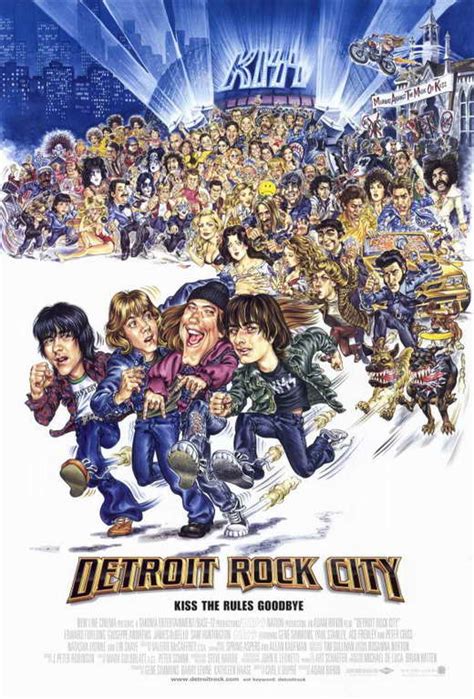
Out of all the films we’ve seen this semester Detroit Rock City is by fair the one I had the most fun watching. After our reading of Outsider Nostalgia in Dazed and Confused and Detroit Rock City last week, I knew I had to watch Detroit Rock City. So, I was thrilled to learn it was our screening this week. My only regret is that I didn’t get to watch it with the class.

KISS in the 1970’s

While Dazed and Confused was a more grounded portray of high school life in the 1970’s, Detroit Rock City is a more fantastical.  However, unlike many other nostalgic 70s film, Detroit Rock City still has an element of realism and honesty. This honesty can be seen in the main antagonist of the film, Jam’s overly zealous mother. While disco films focused on only the positives of the 70s, Detroit Rock City centers around the outcasts of that era, (rock and heavy metal fans) and is more truthful in its portrayal of certain prejudice towards these outcasts. Mainly, toward the heavy metal band KISS and their fans.

Great interview with Lin Shaya, the actress of Jam’s mother. I like her, nothing like her character.

I don’t know about you guys, but the first time I say KISS was during a Scooby-Doo movie. No joke. I thought they were just another made up band, like the Hex Girls. So, when my father told me that KISS was an actual, real band, I was shocked. More known for their unique style than their music, KISS was loved by some, and hated by the rest. Like cult film, KISS was a cult band. Loved by only a select few individuals who practically worshiped them. Part of KISS’s appeal, I think, was how much religious groups hated them. Just like in the movie, many parents and church groups would protest outside KISS concerts. I did a little research on KISS for this blog. Founded by Gene Simmons (bass player and lead singer) and Paul Stanley (guitar player and singer), who both came from the band Wicked-Lester, the two found their drummer Peter Criss in a Rolling Stones ad before finding Ace Frehely (guitarist). The band debuted on February of 1974. By 1977 KISS was named the most popular band in America. They even had two comic books based off them by Marvel, as well as their own movie, called Kiss Meets the Phantom of the Park.

Scooby-Do meets KISS…Daphne is not amused.

Now let’s talk about the film. While Dazed and Confused ended with several character going to get Aerosmith tickets, the plot of Detroit Rock City centers arounds a band of four friends desperately trying to retrieve KISS tickets. The shit these kids did for those tickets…

Is Jam hugging his mother?! Jam, what did they do to you boy!

My favorite part about Detroit Rock City is the comedy. It doesn’t take its self too seriously, but never goes too far over into the realm of a mockery or insult towards KISS fans. In fact, it praises the boys’ uniqueness and quirks by reward each them in different ways. Jam stands up to his mother AND loses his virginity to his crush, Hawk confronts his stage fright (and gets rewarded with sex), Trip stops a store robbery and redeems himself by getting back their lost tickets, and Lex saves his mother’s car from being scrapped (and rescues a damsel as an added bonus). All of these scenarios, while not very realistic, were quiet fun to watch. My favorite scene was when Hawk threw up in a pitcher cup (gross, but also, hard core man) and then proceeded to strip like nothing happened. And, of course Jam’s speech confronting his mother and the other protesters was just…so well done. Honestly the whole movie felt like a daydream scenario by a KISS fan, but I loved it. A great cult film for cult rock fans.

Dazed and Confused: Right on, Right on, Right on

One of the key components to cult films is nostalgia; the wistful or excessively sentimental yearning for return to or of some past period or irrecoverable condition. To me nostalgia is the most important element when it comes to evaluating not just cult films, but some of my favorite films in general. The older I get, the more I reflect on my past experiences. While I have never ‘yearned’ to got back to my high school years, Dazed and Confused grabbed my attention in other way; in the nostalgic rock music, relatable characters, and realistic portrayals of the last day of school.

Before I start, quick shout out to our presenters this week. Even with the technical difficulties it was clear that you both loved the films you presented on. Way to push through!

I got to redeem myself this week by presenting our reading of Outsider Nostalgia in “Dazed and Confused” and “Detroit Rock City”. One of the most fascinating things I read was the wave of 70’s themed movies that were popularized in the 1990s. And not just any 70s movies—disco fever films. David Shumway, an English professor at Carnegie Mellon University stated “Commodified nostalgia involves the revival by the culture industry of certain fashions and styles of a particular past era.” However, everyone experiences youth differently. Dazed and Confused and Detroit Rock City standout amongst these 70s films in how they portray the outsider’s perspective of that era.

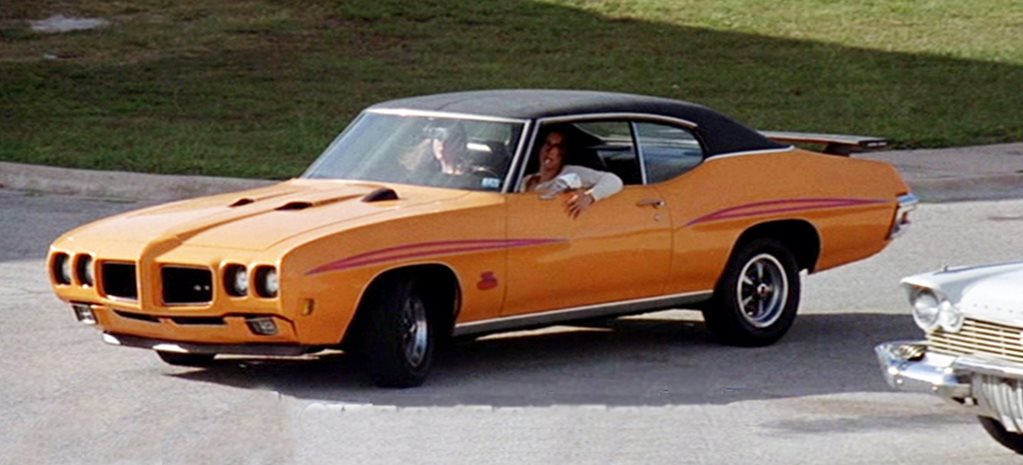
Music is key in nostalgia films. What better way to invoke feelings of the past than to play the hits of that time? And yet, Dazed and Confused does not have a single disco song on record. Instead, the film opens with “Sweet Emotion” by rock band Aerosmith (and if you don’t know who they are then we have had very different childhoods) as a muscle car drives into the high school parking lot. The following shot is a close up of a girl rolling a joint, before cutting to a wide frame of a bunch of students smoking outside the closed school doors. The guys sport long wavy hair, while the girls wear bell bottoms and long dangling jewelry.  From the first shot of the film, we are transported back to the summer of 1976 thanks to brilliant combination of music and mise-en-scene.

I finished the reading before watching Dazed and Confused, and as well written as the paper’s were in their analysis, I greatly underestimated Dazed and Confused. I will be honest—the film failed to catch my attention at all times. I watched it on and off for most of Wednesday, coming back to it between assignments. I find that I enjoy stories that focus on 1-3 characters at a time, and so was a bit overwhelmed with the huge cast initially. There are no ‘main’ or central characters in Dazed in Confused. Rather, the entire senior and freshmen classes of 1976 are focus. However, there are a few characters who pop up more often than others, like Pink and his new freshmen counterpart, Mitch. The longer I watched the film, the more I began to appreciate its large cast. Every line a character had, every scene, captured their personality. I think the brilliant thing about Dazed and Confused is its accessibility and relatability to multiple generations. Regardless of when you experienced high school, or how you spent your last day of school, you can relate to at least one character in this film. Personally, I related most with the three ‘philosophers’, the red-haired girl, the blonde glassed guy, and their friend who losses the fight he starts. Their continued analyzes of the stupidity of traditional freshmen hazing, while also taking part in it, was both amusingly hypocritical but realistic. Everyone in the film seems to be an outcast in some way. And I found that to be a very honest portrayal of high school life.

Suspiria and German Expressionism: Things are about to Get Witchy

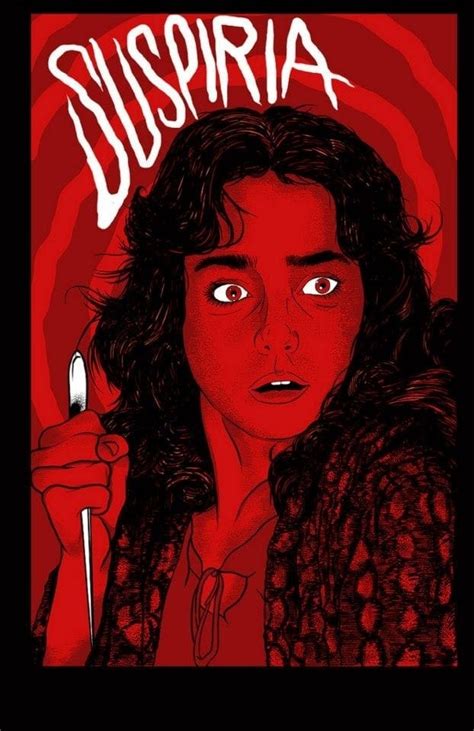
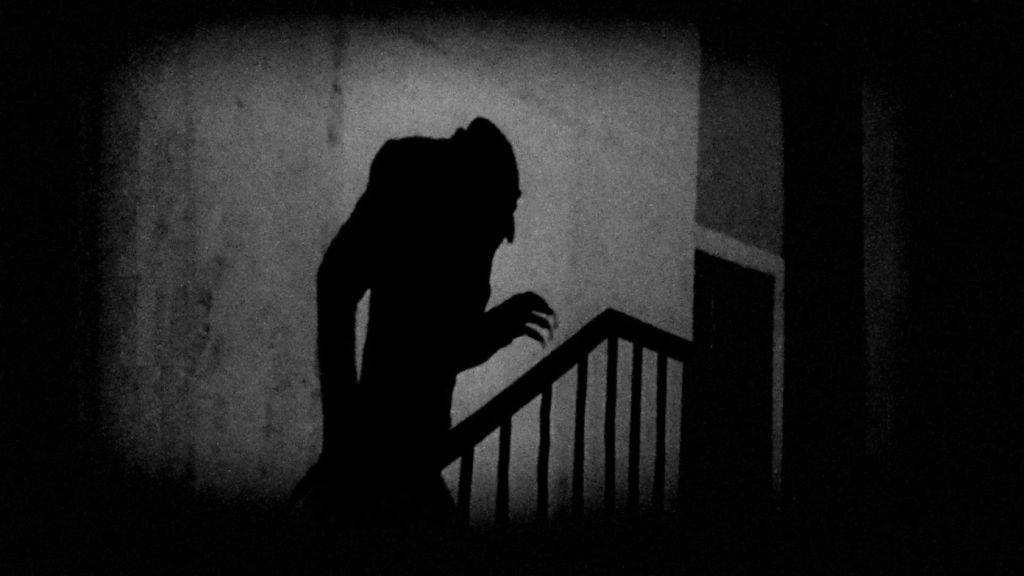
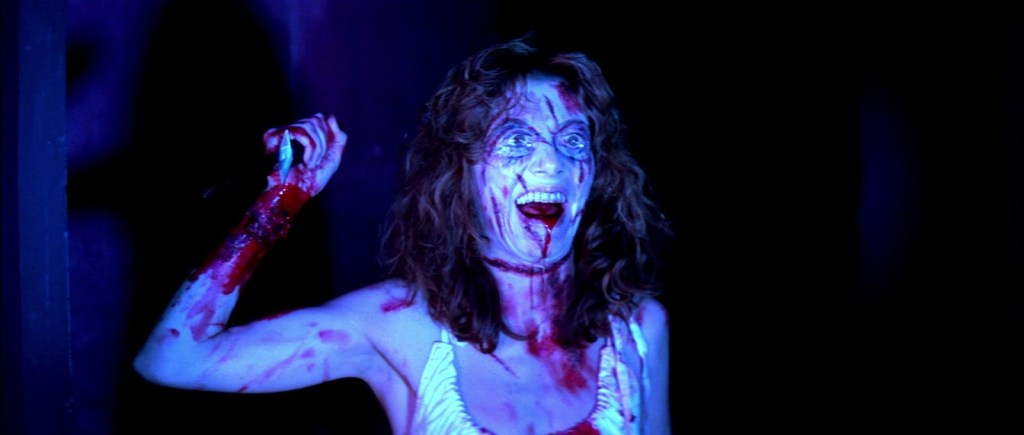
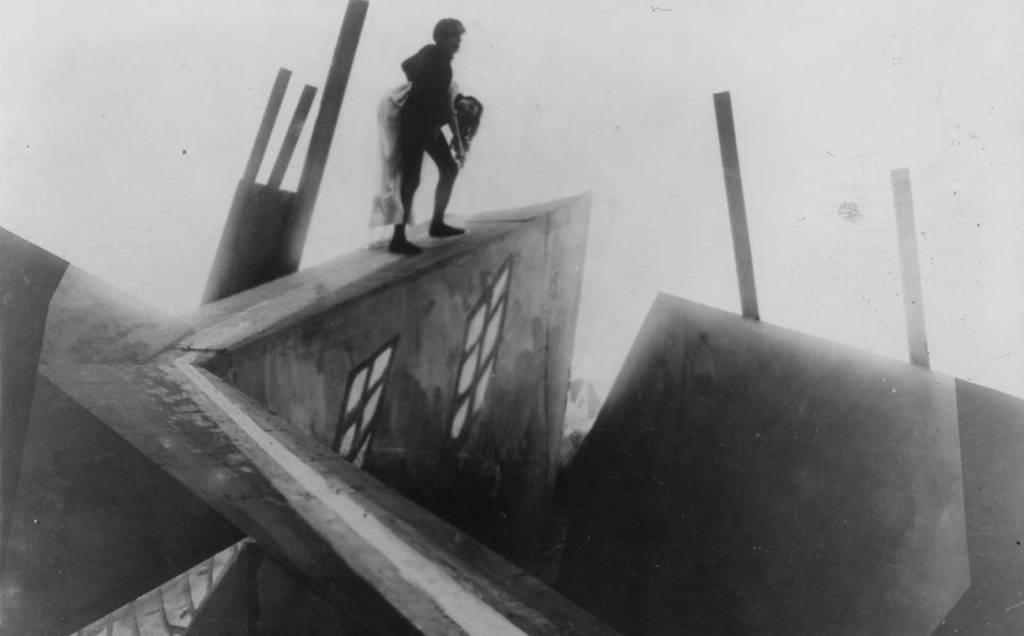
Throughout this course, we have watched several cult horror films such as Carnival of Souls, and Valeries’s Week of Wonders. However, Suspiria sets itself apart from even these cult classics in one, simple way—style. I remember going over German Expressionism in History of Film, especially our conversations about Nosferatu. German Expressionism was (or is) all about telling a story through surreal visuals. Use of mirrors, shadows, mise en scence, and tilted camera angles are all techniques associated with German Expressionism. Suspiria combines these perfected techniques with a bizarre plot and chilling sound track to give us the first of Dario Argento’s jalo films.

Here’s a really great video that breaks down Suspiria, celebrating it’s 40 year release.

Suspiria was influenced by the visual tropes of German Expressionism, such as Robert Wiene’s The Cabinet of Dr Caliga and Friedrich W. Murnau’s Nosferatu. Our reading of “Expressionist Use of Colour Palette and Set Design in Dario Argento’s Suspiria (1977)” states:

              “…one peculiarity of these films is that some of the visual qualities of cinematography and mise-en-scène, such as the manipulation of the film stock, the stark contrasts of light and shadow, and the totally artificial and stylized sets, interact graphically to create an overall composition with the characters’ states of the body and the soul.”

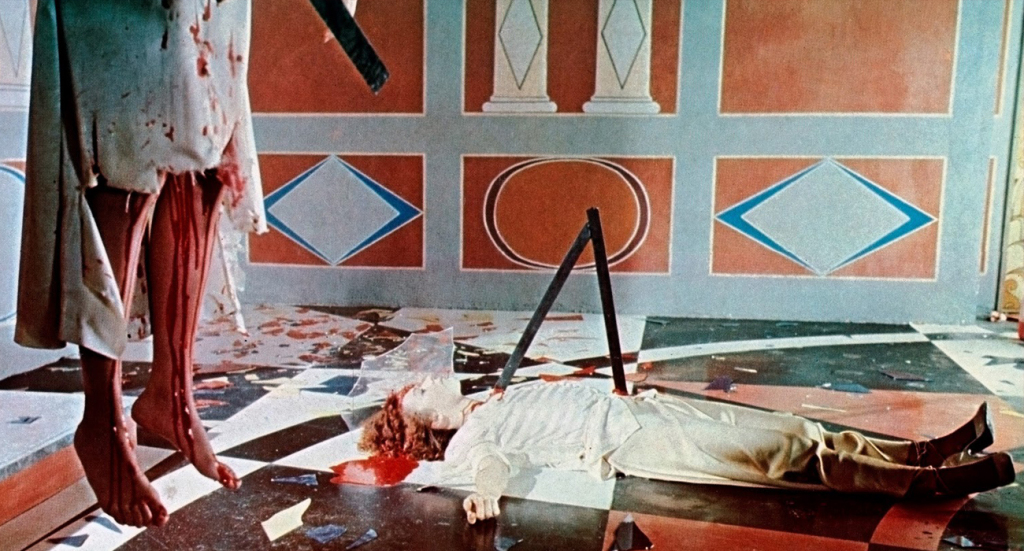
              The style of German Expressionism used camera angles and distorted shots to visually ‘place’ viewers into the state of mind of the characters on screen. My favorite example of this technique in Suspiria is when Suzy’s friend, Sara, is killed. Once Sara fails to wake Suzy from her drugged sleep, the room turns an eerie mix of black and green. Then the score kicks in, queuing the views in that something ‘witchy’ is about to happen. This scene also show cases the Argento’s use of yellow-red-blue color mixtures. From the red corridors of the schools dorm rooms to the bright blue and yellow walls of the secret hallway, the film uses of these collars to indicate supernatural events. One thing that fascinated me while watch Suspiria was how the scenes ‘shined’ in the dark. Apparently, with was a Technicolor technique. To quote again from “Expressionist Use of Colour Palette and Set Design in Dario Argento’s Suspiria (1977)”:

A nice refresher video defining German Expressionism. I highly recommend this channel.

              “…for the surrounding background, Tovoli (Cinematographer) managed to bounce the light onto a mirror with the result of sharpening the images more than if they were directly illuminated. The negative print of the film was subsequently given to Technicolor who split the colour negative into three separate black and white negatives, one for red, one for blue, and one for green. Technicolor printed one colour on top of the others to give the film a shimmering look. The final result emphasizes a deliberately unrealistic setting that is much more vivid in colour definition than emulsion-based release print.”

Enjoy the soundtrack as you read the blog!

              What I personally found most interesting about Suspiria, besides the visuals, was the plot. Co-written by Daria Nicoldi, Suspiria was inspired by the stories Nicoldi’s grandmother. While studying piano at the age of fifteen, Nicoldi’s grandmother discover that the school she was enrolled in had a strong fascination with black magic and the occult. Imagine growing up with that bed time story. Another thing that I found fascinating about Suspiria was the voice over, or lack there of. Was the film originally shot in Italian, or English? Because I could not tell. There where times when the ‘dubbed’ matched up with the actor’s lips perfectly, but other times were I was sure the movie was being dubbed over. There were definitely times when I had to look away while watching this movie. The first murder of Pat, with the close up of stabbing the heart, made a bit queasy if I’m being honest. And yet, that music! I need more Goblins music in my life. Every time that score came on, paired with the surreal shot cinematography, I felt like I was moving from the real world to the dark and magical. Which, was what Argento was going for. I don’t like horror. Ever. But I would watch Suspiria all over again just to experience that awesome score again.

This so gross I just had to add it.

Valerie and her Week of Very Uncomfortable Situations.

What a crazy week!

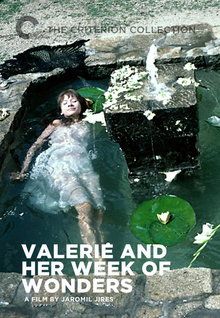
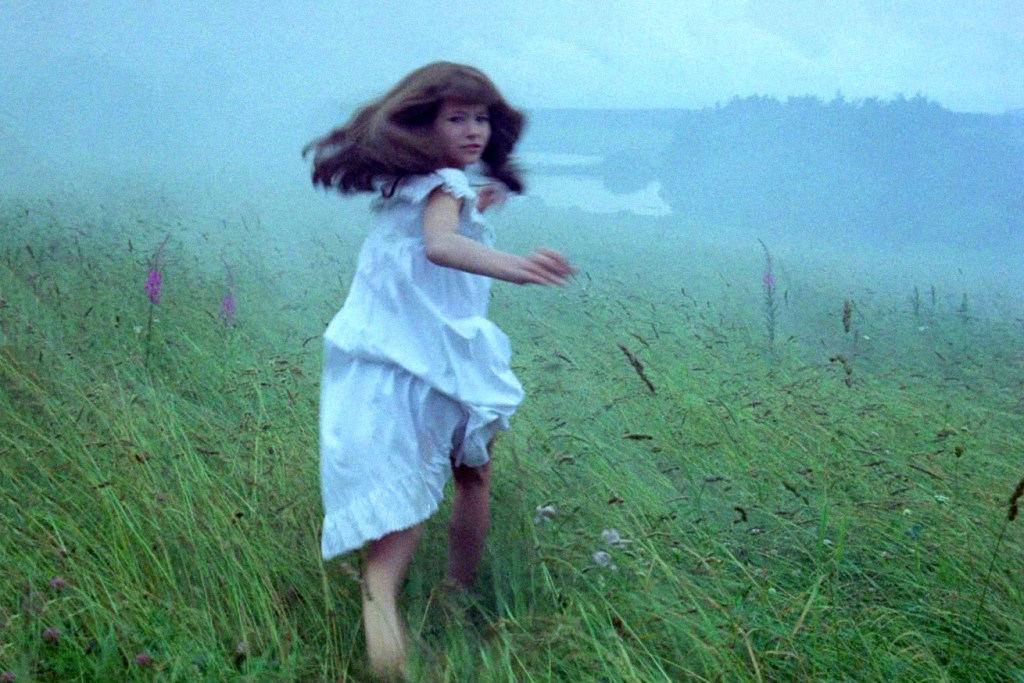
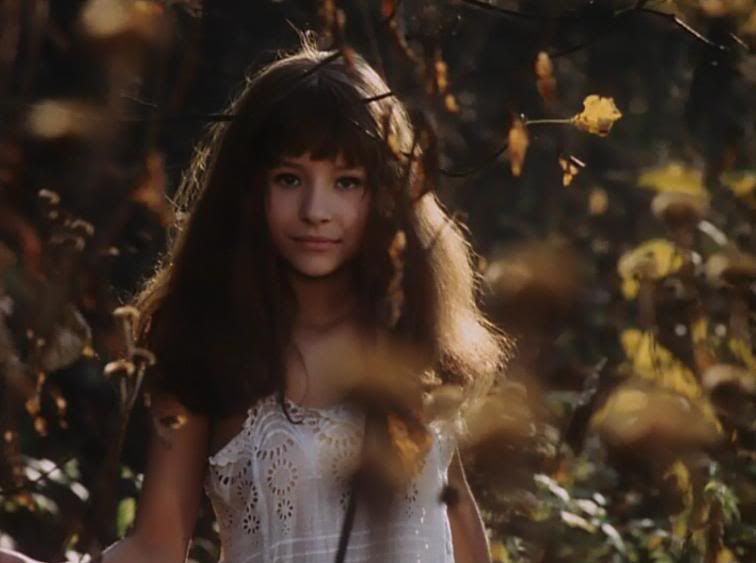
Valerie looks so young here in this image. It really captures her transition from child into woman. In this shot she is wearing a white dress, which symbolizes purity, but later she will be seen wearing gray and purple.

My first reaction after watching Valerie’s Week of Wonders was “Well, that was weird”. But the more I reflected on the film, the more I came to respect it. Based off the 1935 book by Vítězslav Nezval, the film was released in 1970 by a Czech film studio. The movie is part fairy-tale, part sexual awaking story, and part nightmare fuel. However, from the opening credits I knew the movie would be beautiful. The opening shots of Valerie just sitting pretty with the music playing let me know right away I was about to watch something wonderful, but surreal. I also see why this would be considered a cult classic, at least outside of Czechoslovakia. Not only was the film ignored in box offices during its initial release, but there was much political tension as the Soviets invaded Czechoslovakia countries. To quote the Kinoeye article,

“In accordance with Soviet maneuvers to enforce atheism, Valerie a týden divů embraces an anti-Catholic stance, particularly in relation to sexual morality,”.

As such, every character with a close relation to the church (The priest, the Grandmother, the Polecat) is seen as a hypocrite. The most disturbing character in this film, to me, was the priest. There’s a scene where Valerie is having dinner with the Priest, her Grandmother, and some other girls where the priest talks about ‘saving’ a black girl during a pilgrimage. It was incredibly unsettling. I wasn’t too surprised when, soon after, the Priest tries to rape Valerie in her bedroom. Even when he dies, he just comes back to life! Just stay dead man!

The whole time watching this movie, I felt like I was dreaming. Before taking film classes I would have found the abrupt cuts and rushed time skips annoying, but in this movie these techniques work. Take the first few minutes of the film. Without any explanation we see Valarie get robbed by Eaglet, encounter ‘The Polecat’, and then have her earrings returned thirty seconds later. But this works, because that’s how dreams work! Dreams aren’t don’t tell a clear linear story, and neither does Valerie’s Week of Wonders. There are also times, like when Valerie is watching her newly married neighbors make-out, that no one seems to notice that she is there in the room too. As bizarre and unnerving as this film was, I would have to call it a masterpiece. There is just…something so creepy yet wonderful and real about this film. And I will watch it again, if to only better understand it.

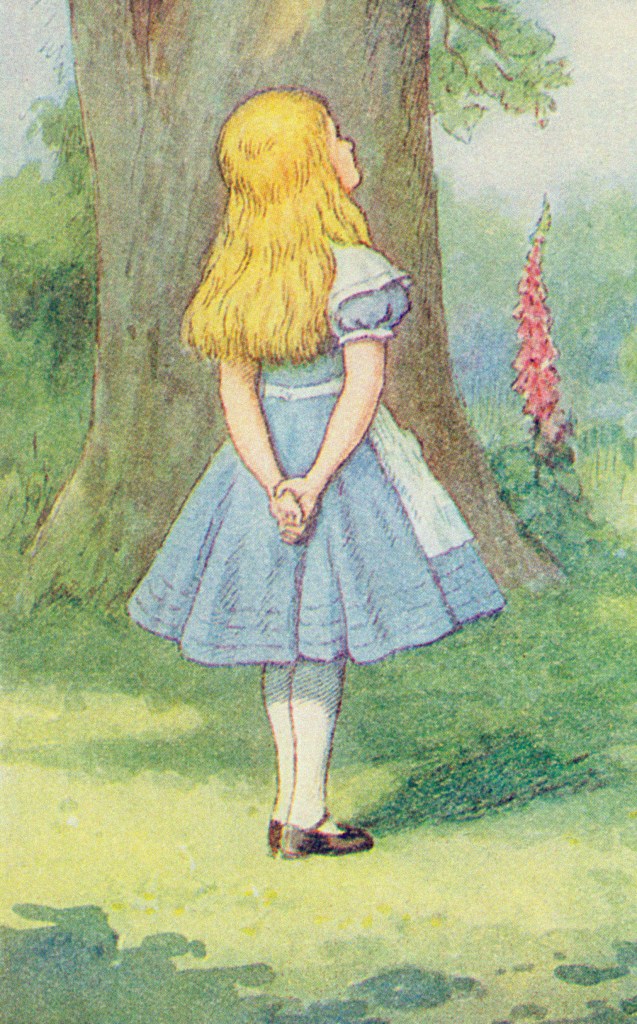
As Valerie’s Week of Wonders is a bizarre film, I found the essays we read this week (Kinoeye and Grandma What Big Teeth You Have!) incredibly enjoyable and insightful. The film is very much a fairy tale all on its own, but I couldn’t place what else Valerie reminded me of until “Grandma What Big Teeth You Have” stated the similarities the film shares with Alice in Wonderland. How did I miss that!?

Since Valerie’s Week of Wonders was released in the beginning of the 1970s, it’s time to talk about the Golden Age of Hollywood. The essay “The Last Great American Picture Show” describes the Golden Age of cinema as;

“A brief period when films that defied time-tested narrative constructions and tortured easy genre formulas into weirdly challenging hybrids seemed the norm rather than the exception, a decade which, in retrospect, represented an extraordinary blossoming of talent in the commercial cinema”.

It was a time of great freedom, for both film makers and movie goers. New genres, such as disaster flicks and Blaxploitation thrived during this time, bring us titles like The Poseidon Adventures and Shaft. Several critically acclaimed directors and studios made their first experience during the seventies, including Francis Coppola in his film The Godfather, and Steven Spielberg with the first box hit of the seventies, Jaws. However, the success many of these new superstars received during the Golden Age can be credited to Rodger Corman. The king of Exploration Cinema, Corman worked for AIP (American International Pictures) as the lead director of many classic B-List films. Put in simple terms Corman was cheap, fast and efficient when it came to film making. Perhaps his most famous film, The House of Usher, featured a young Mark Damon as the leading actor, kick starting the young man’s career. The essay “The Last Great American Picture” lists no less than 42 actors, producers, and directors whom Corman mentored during his time with B-list films. In a way, Corman is not only the Father of Exploitation films, but also the Grandfather of the Golden Age of cinema.

The Warriors and a Study in Fandoms

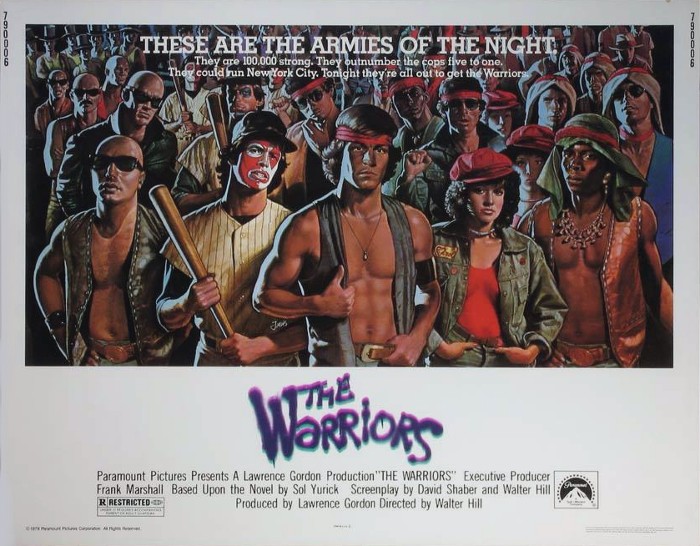
The Warriors is aboslutily unlike any other movie I have ever seen. While not my favorite movie we have seen so far, I see why it was hailed an instint cult classic. However, what I found most interesting about the film was the social context which it was based off of, and its reception when first released.

In March 1979, Peoples magazine did an article about The Warriors reception by audiences, stating “Critical response to The Warriors, a new $4 million movie about New York City street gangs, has ranged from mild disdain to modest praise. Audience reaction, on the other hand, has been far less restrained: Within a week of its release, three youngsters were dead and numerous incidents of violence had apparently been triggered by the film.”

Insane as it sounds, teenagers took the most influence from the film, and not in the best way.  David Holden, editor of The Warriors, responded to this by stating that the film its self was not at fault for these incidences, stating “If someone comes to a movie with a gun, who’s at fault?” While The Warriors was in not way at fault for the criminal behavior of these sick minded individuals, that did not stop the back lash Warriors faced in the eyes of the media and government. Looking back, its kinda of hilarious (in a twisted, dark humor sort of way) that the film was almost banned in Boston Massachusetts. Yet at that time, gang violence was a very real, very present danger in not just New York City, but many other urban areas.

While I agree with must of what is stated in The Warriors paper, I disagree with one key statement on the first page—that many of the characters have heroic traits similar to that of Greek heroes. In my own opinion, while I respected the loyalty the members shared with each other, I didn’t find anyone besides the first leader (who is killed in the start of the film) and the young kid who could read the subway lines likeable. Swan may have been a good leader, but I didn’t find his relationship with Mercy to be very…encouraging. The whole time I was watching the film, I was both entertained but constantly wanting to role my eyes. Even when the Warrios survive the gang fights, their victories were…empty. What were they even fighting for? Their ‘tuft of land’? The Warriors doesn’t praise the gang life style, it reflects the mindset of those in it—no outside world except the one they live in, full of violence, sex, and comradery.

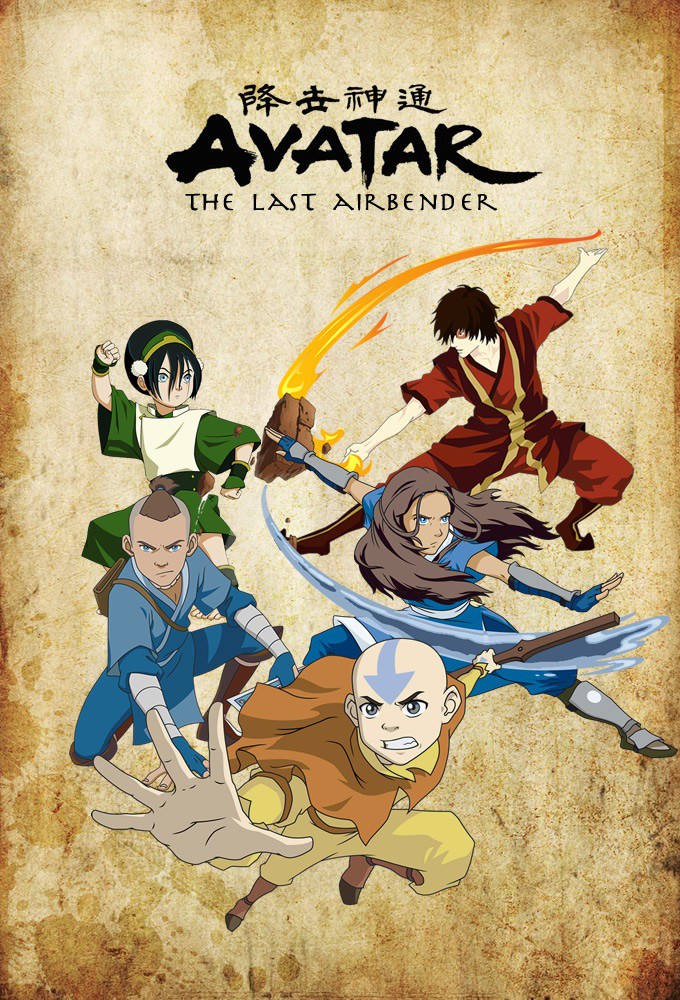
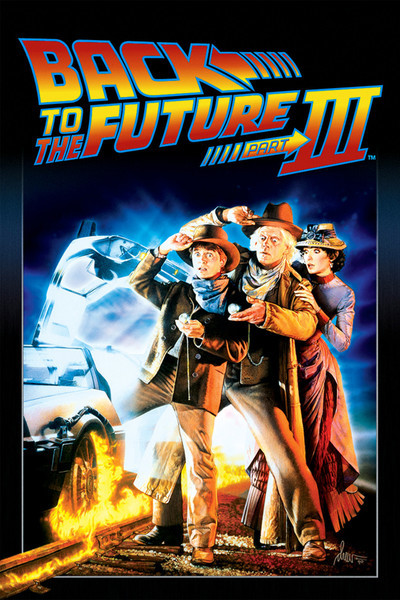
The Warriors gained a wonderful cult following since its first release, which brings us to our second reading–“The Cult Economy of Fandom” by John Fiske. Now, I for one LIVE in the world of fandoms, so this was by far my favorite paper that we read so far. To me fandoms is just a term for fans to love a paritcule form of entertainment—books, movies, podcasts, webtoons, video games, etc. So I was a bit surprised to see that someone wrote an accidemic paper studying the meaning and celebration of fandoms. The line that stuck with me the most was “Fandom is a peculair mix of cultural determinations. On one hand it is an intensification of popular culture which is formed outside and often against official culture, on the other it expropriates and reworks certain values and characteristics of that official culture to which it is opposed,”. There is very much an ‘us vs. them’ within the mentality of fandoms. For example lets use the Avatar the Last Airbender series. Originally released in 2005, I grew up with this show and many of my classmates did as well. Those of use who were ‘in’ on having watched Avatar had shared an experience that others did not. Some fandoms, like Harry Potter, Lord of the Rings, and Star Wars are embraced by pop culture with open arms and hungry wallets. These fandoms could even be considered ‘main stream’ in their popularity. But some fandoms, like The Warriors, Rocky Horror, or even Back to the Future are a bit more exclusive. What does it take to be considered a true Rocky Horror fan? After you’ve seen the film once, or after you first live participation viewing? Can you really call yourself a Back to the Future fan is you own at least one t-shirt that says “Great Scott”! Each fandom is as unique and diverse as the stories they are formed around. And, without fandoms, where would be cult films?

This is just a fun video hope you like it!

https://people.com/archive/a-street-gang-movie-called-the-warriors-triggers-a-puzzling-tragic-wave-of-audience-violence-and-death-vol-11-no-10/

Blaxploitation and Mamuwalde

I had a lot of fun with this week’s screening of Blacula. I remember back in History of Film learning about API and blaxploitation, and wanting to learn more about those films. Blacula was both more and less than what I expected. More, in that it was a truly great film with an engaging plot and cast, and less in that I wasn’t overwhelmed by the exploitation element.

I knew I was gonna enjoy the film from the first scene. Let me say this—William Marshall as Mamuwalde is quite attractive. From that first scene Marshall sets up the film perfectly in his serious portal of the character, and at no point did I find the other actors lacking in enthusiasm. The biggest ‘o shit’ moment for me was the first scene where Dracula says “I would willingly pay for so beautiful of an addition to my householders as your delicious wife” after Mamuwalde discusses abolishing the slave trade. In that instant Dracula is no longer just a blood sucking monster, he’s also a white man oppressing the black community. I found it interesting, but a good call that the name ‘Blacula’ was only ever said once—and by Dracula. The name itself is so corny, but when Charles Macaulay delivers the line you know your meant to take it seriously. One of the readings for this week even pointed out that by ‘naming’ Mamuwalde Dracula is acting as a slave owner renaming his slaves. While Mamuwalde never refers to himself by that name, Dracula’s curse however does enslave the noble prince into a blood sucker himself, forced to act as the one who cursed him.

Rare 1975 Interview with William Marshall (Blacula)

Our discussions this week were the best by far. I also found the essays more comprehensible that some of our previous weeks’ readings, mainly because the topics we discussed focused on representation of cultures and minority groups in film. “Rethinking Blacula: Ideological Critique at the intersection of Genres” by Brooks E. Hefner brought up an interesting topic that we didn’t get to discuss: Dr. Gordon Thomas. The equivalent of Dr. Van Hellsing (now that’s a bad ass name), Hefner states

“In theory, he [Gordon] should provide the viewer with an alternative hero in the Shaft/Slaughter mold in whom the viewer’s sympathies should lie. Instead, it is the romanticized Mamuwalde who is more likely to elicit viewer sympathy,”.

              The essay goes on the say that while Mamuwalde was well received by black audiences, Gordon was seen an Uncle Tom figure, or taking on stereotypes of what a ‘proper black’ should be in the eyes of white society. Gordon is heavily compared to another famous Blaxploitation figure, John Shaft. The essay goes into great detail about how Shaft, while written as a black hero, is disconnected with Harlem, and is mostly involved in “only white and black middle-class settings…what is hinted at in the character of John Shaft becomes overtly expressed in the words of Gordon Thomas,”. Gordon openly states that he wants to move to the suburbs, which suggests that he wants to disconnect himself and his family from the black community of L.A. I think what really makes Gordon so different from Mamuwalde is in climax of the film. While Mamuwalde is seen taking out the L.A police forces one by one, it is Gordon who leads this final charge against the vampire. In this way, the final confrontation becomes more than a simple “heroes vs monster” show down. The essay goes on to say the “By the films conclusion, the black heroes have firmly positioned themselves as ideological opposites.”

              The most shocking scene in the movie for me was when Tina was shot by a white officer. My reaction was “O my God, he shot her! The hostage! How could he take that shot?” That was the moment that really brought home the divide and horrible brutality of law enforcement towards black communities. The officer doesn’t show any reaction to shooting Tina, someone he knows to be innocent and a victim. He doesn’t care. And that was the scariest part of the film to me. That lack of consciousness shown by L. A. officers. While Mamuwalde only bites Tina to save her, it is Gordon and Peters who kills Tina in the final scene, solidify Gordon as an accomplish to the police force.

              Blacula is such a great film to study, and for numerous reasons. I feel like I could talk about it forever. I really enjoyed this film. What started out as a simple money grab for AIP became one of the best classics, cult or otherwise.

Camp and Transgression Cinema

My favorite description of camp from this week’s readings comes from Susan Sontag’s essay Notes on Camp.

              No. 26 ‘ Camp is art that proposes itself seriously, but cannot be taken altogether seriously because it is too much.’

As someone who had never heard the term ‘camp’ until this semester I found Notes on Camp to be incredibly helpful. Like cult films, camp has numerous definitions. It walks a fine line between ‘quirky’ and just plan bad, or lacking in ambition, as Sontag describes. Camp’s most important role in regards to cult film is in viewer tastes. As we often discuss in class, it is a film’s audience that give it a cult status. Without a following, a bad movie is just that—bad. I would argue that the worst thing a film could be called is boring, as even the most exaggerated or transgressive films (Hi Pink Flamingos) still provide a form of entertainment in their portrayal of taboo or disturbing acts.

              No. 34 ‘ Camp taste turns its back on the good-bad axis of ordinary aesthetic judgment. Camp doesn’t reverse things. It doesn’t argue that the good is bad, or the bad is good. What it does is to offer for art (and life) a different-a supplementary-set of standards.’

              This concept of camp making a 180 in regards to taste is the hardest concept for me to grasp. If having camp taste doesn’t mean ironically liking something that mainstream society considers bad, then what does camp mean? Luckily Andrew Ross’s essay Uses of Camp helped me clarify a few things. Ross goes into the history of camp, and how it has be adopted by the underdogs of society as a way of ‘salvaging the privilege to influence canon tastes of mass culture.’ In the sense of a camp intellectual then, camp is the appreciation of things that are cast aside by the mainstream values of society. It’s liking something that others may consider tacky, and enjoying how your tastes go against the current tastes of the majority.  

              With that, let’s go into our screening for this week, Pink Flamingos. I will not lie. I will never, ever, watch this film again. I couldn’t even get halfway through it before I stopped watching it. However I respect Pink Flamingos for what it is—a shiny example of a transgression cult film. Everything about Pink Flamingos is taboo, appalling, or just plain revolting. As described in our reading of Transgression and Freakery, it all has to do with how a film affects audiences. While camp takes something quirky or bizarre and choices to see it in a different light, transgression tastes are those that come ‘out of a sincere sense of rebellion against what is perceived as a suffocating pressure from dominant morality.’ It’s the enjoyment of experiencing something taboo, because its taboo. Many cult films celebrate or feature transgressive acts or images. It was interesting seeing how all of these essays fit together, but Transgression and Freakery was the most informative after watching Pink Flamingos. But still. Never watching that again.

MOVIE: “Troll 2” – Claudio Fragasso (1990) | Maettina
Shout out to Spencer’s presentation of Trolls 2. I need to see it know!