Author Archives: immaryhemphill

Final Blog: Leonardo Doesn’t Age

For our last week of this class we watched an ode to Los Angeles epic directed by Quentin Tarantino called Once Upon a Time in Hollywood. I watched this movie in the theatre with my family all sitting in seperate, last-minute seats because that’s how important it was to us. Given that my mom detests gore and almost any kind of exploitation film, Tarantino is a household name for creating layered, interesting films that mirror genre tropes through all eras of film. “I steal from every movie ever made,” he said in a 1994 interview. “Great artists steal; they don’t do homages.” With a revered filmography of nine movies, his idiosyncratic style of filmmaking has paid tribute to 1970s blaxploitation, wuxia films or his favourite genre: the spaghetti western. His films, though laced with violent outbursts, are extremely warm and lively. The energetic plots and settings which he chooses to depict are meant to compliment his quick-whip dialogue that reveals a stunning amount of intention in each of his beloved characters. Once Upon a Time pays homage to other genres and eras with the precision of a stylist and the obsession of a collector. It’s obvious Tarantino is a film buff with an intense dedication to do his characters justice, and his famed last film of his career is a peak of sentimental reverence to the industry he is a luminary of. 
once-upon-a-time-in-hollywood-tarantino-1.jpg

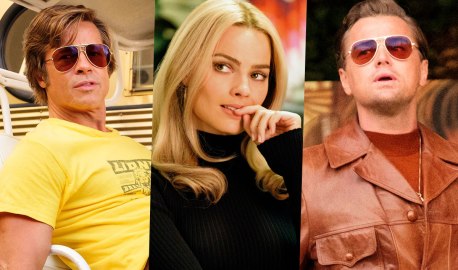
Once Upon a Time follows the lives of three different contributors to the Hollywood economy, all at different levels of status. Rick, a has-been hero struggling for relevance despite his profound background in westerns, and Cliff, a silent-brooding type stunt man that is called to violence more than he intends, share an adorable friendship. Sharon Tate, an image of fresh, lively, and relevant to the movie industry, hardly interacts with their plotline at all. Priscilla Page’s article describes how they are three-different levels of the Hollywood hierarchy, but “They’re united by pop culture and by a cityscape: they listen to the same radio stations, watch the same TV shows, drive the same streets.” Media is everywhere in the film, there’s music, radio commercials and kitsch from the era that intensifies the nostalgia with very careful intention. Mick LaSalle of the San Francisco Chronicle wrote, “You don’t resurrect an era this completely without caring. Collectively, these details become an act of reverence.” Which is exactly what Tarantino wishes to depict. He illustrates the sentimentality of what Hollywood was before being shifted forever at the turn of the decade, punctuated by the violence of the Tate-LaBianca murders. 

margot-robbie-sharon-tate.jpg

Mod queen

The layers of his characters and his scenes is a labor of love, and you can feel it through the screen. The film gives life to the past, and new life to an actress that was robbed of her future. Tarantino is using his power as a filmmaker to immortalize Sharon Tate and take the power away from the Manson Family. It’s like a historical fanfiction, in the structure of an american western film. It’s an ode to films, those who made them and where they came from, and a satisfactory revenge flick that offers a glimpse at a more just reality. 

Overall I think the film lineup was amazing and essential. It gave a great timeline on the evolution of film and taste, and increased the cult interaction by giving the opportunity to see films that I otherwise would haven’t had access to. This class has had a very profound effect on how I can write from my own perspective and include suggestive research to argue for points I really enjoyed making. It’s amazing to get graded on my ability to interpret such interesting films.  didn’t really imagine a definition for “cult films” before reading the general characteristics in “The Cult Film Reader” and had never really questioned it either. Considering I’ve been a part of the crowd of consumers to media my whole life I would generally gravitate towards the cinema of my attraction, which had no formula. I’ve always found a polarizing view on movies to be very boring, and can recognize the worth of a film being “critically acclaimed” but always find that my personal language in movies I’ve seen will ultimately draw me to enjoy something new. I did find particular interest in cult films even without a full understanding of what they were because of the enthusiasm of fans surrounding their existence and that both considerably “bad” and “good” films could be in its rankings. Movies have always been integral in my household, and some were very sacred to us for personal reasons. This is why certain films stay with people, because of how the audience experience is shaped in receival. It was for this reason I was interested in cult films initially, and having the opportunity to write my own opinions and apply my film knowledge and get graded on it has honestly been great. 

I really enjoyed discussing how films were reappropriated by fans, and how they created their own fandom economies to give more content to underrepresented groups of people. My favorite new watch from the semester was probably Sid and Nancy. I had never seen it before despite being interested in the band enough to know the story. I thought it was illustrated to be romantic yet somber with a bang on soundtrack that follows the explosive punk music they originated in the beginning into a depressive new wave as their era begins to fade. My second favorites were Carnival of Souls and Blacula, as they were first watches for me as well. 

maxresdefault-1.jpg

The only thing I would add to the course would be to call the students to do more think pieces. If there is a particular question or hypothesis on film or film genres, they could write a question piece that would invite discussion from other students. I greatly enjoyed all the ways we could share our opinions, I just would have loved to initiate more whole-class discussions to get a gauge of everyone’s particular perceptions of films. I also found that when writing to defend a certain subject, such as when we wrote about our individual cult films, I was so passionate about the project I was willing to respond to any dialogue given to me. I really appreciated the opportunity to learn from someone so passionate about films, and being able to continue this class despite recent events. I look forward to Intro to film so I can continue to expand my interests and articulate my own experiences with films.


Final Project: Cult Films and Movie Posters

Cult films, like all films, are products of their environment and era. Given that a similarity shared with many cult films is the low budget creation or payoff, there is a quality of makeshift that’s ernesty has often attracted it’s following moreso than the marketing ploys of corporate film companies. These films achieve a status of cult authority because of their ability to communicate with, often culturally undermined, audiences. The intention of the film may not even be the reason for which it achieved it’s cult glory, as thus it is everything that happens after the film that determines its worth to the audience and contribution to film history. I took an interest in the presentation of films in the form of movie posters, and how this art form interacts with films that have been reappropriated. I found it fitting to contribute to, as John Fiske calls it, the economy of fandom by creating posters that capture the essence of the film’s true impact.

The graphics of film have always relied on the discoveries of what is appealing to the eyes as to make it sellable. This resulted in a visual timeline of the evolution of graphic imagery and typography in the form of title posters. Title posters serve a number of purposes. Besides being an introduction to the film and the main players that brought it to screen, they nurture audiences’ expectations, evoke the film’s overall mood and set up the story. Film adverts are, indeed, the initial impression an audience will have of a film. As the movie industry began to grow,  studios realized the marketing value of creating colourful artwork that depicted scenes from their movies to promote the films and bring in more viewers. These posters were printed on inexpensive paper and not meant to be collected or preserved. From the mid 1920’s through the 1940’s, movie studios developed their own artwork styles for their movie posters and hired well-known artists and illustrators. The increasing public preference in the early days of Hollywood for colour photographic quality prompted Columbia Pictures to pioneer the “fake colour” process which colourized black and white still photos. It was not long before every studio adopted this process. As the industry began to grow, the processes developed and became more modern and experimental. The era in which I found particular interest was the graphic, vibrant hues and typographies of the 60s and how these stylistic posters came to characterize an era of film explosion and inspire artists to this day. 

saul-bass-posters-ganged.jpg

Works of Saul Bass

I was greatly inspired by an artist that emerged from this time period and created through one of the most productive periods of film history. Saul Bass, during his 40-year career, worked for some of Hollywood’s greatest filmmakers, including Alfred Hitchcock, Stanley Kubrick, Otto Preminger, Billy Wilder, and Martin Scorsese. Bass stepped up the sophistication of movie posters with his distinctive minimal style, stark colors, and distinctive iconic imagery; he then completely revolutionized the purpose of film title sequences. His work went beyond gimmick and advert ploys to intellectual works. Fiske stated, “Fans, like buffs, are often avid collectors, and the cultural collection is a point where cultural and economic capital come together.” While his posters were only an introduction to his role in animation and graphic design, they are an integral service to fan collections, thus furthering their interactions with films. 
As an artist myself, I am constantly attentive to the interaction with the viewer. Cult films are unique in the fact that they are defined equally by the intention of the work and culture created around it. Movie posters are a visual introduction to the film, and in making them myself I can connect to the economy surrounding the films by giving to the culture and having it received by others. Also I value historical reference in my work, and giving homage to the luminary works that inspired and created the visual art world I’ve entered into. These posters are inspired by direct references of art created for popular films, reappropriated by a fan to celebrate formative cult films that have influenced me this semester. I feel as though it serviced my own exploration of art to make these, and I hope it benefits some other fan out there to see it. 


sid and nancy

This poster is in homage to the grainy, 1970s punk posters that pictured primarily scanned images that are bleached with contrast as they were continuously reprinted. It is in reference to the Otto Preminger film The Cardinal (1963) film poster designed by Saul Bass as well as The Wicker Man (1973) designed by Sid Ambrose. The layering of fake coloured images, bold typeface, and distinctive dark red is influenced by the modernist art styles that compliments and contrasts the styles and narrative of the film itself.


detroit rock city poster

This poster is inspired by the fandom surrounding band posters, particularly KISS posters which is arguably a cult band. The orange-to-red color face is also reminiscent of The Wicker Man (1973) as well of the graphics of the band. It is directly inspired by Saul Bass’ poster for Rocky (1976) that has been utilized by many theatres, including the Alamo Drafthouse, as the film hadn’t many adverts due to it being an extremely low-budget film. The poster is meant to illustrate the minimalist, silhouette technique that became popular in the 60s, as well as giving distinguishable characters to the teens in the film. 


valerie poster

This was simply one of the favorite posters to make, as it was abstract in nature as the film. It is inspired by the magical realism qualities of the Czech film, and the incorporation of iconography from recent female horror films such as Carrie (1976), the VVitch (2015), and Midsommar (2019). It’s layout is lightly inspired by Saul Bass’ Carmen Jones (1954) that was Bass’ breakthrough into the film poster world. I loved making something that embodied soft, feminine imagery that compliments the slightly disturbing; it’s one of the reasons I find female centric horror to be so refreshing. 


jennifers body

Lastly, I made somewhat of a fan service to myself. I enjoyed presenting an argument on the defense of Jennifer’s Body as a cult film this semester, and for those who might recall I gave great emphasis to the initial failure of the film being primarily due to it being misrepresented in advertisement. I took the opportunity to create a poster directly inspired by the advert for Village of the Damned (1960), a film in which an entire town of women give birth to evil children, to illustrate a mod, kitsch representation of a 21st century modern film about a woman embodying evil. I found the gaudy style to fit with the dark-comedic genre of Diablo Cody’s movie. Personally I felt it gave more justice to the substance of the film than objectifying shots of Megan Fox, and immortalizes her image in a more classic, hollywood nature than for the service of male-fantasy. 


Sources

https://scholarscompass.vcu.edu/cgi/viewcontent.cgi?referer=https://www.google.com/&httpsredir=1&article=5694&context=etd

https://www.artofthetitle.com/designer/saul-bass/

https://www.canva.com/learn/film-titles/

http://paas.org.pl/wp-content/uploads/2014/07/Fiske.pdf


Half Man Half Ant Total Spoof

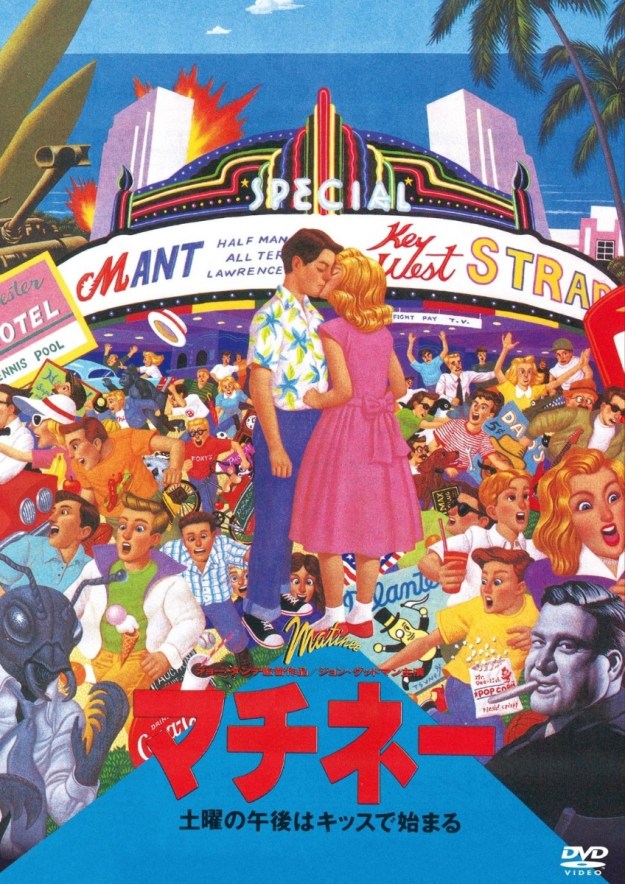
This week we watched a classic homage-type film to the late horror director William Castle played by John Goodman as Lawrence Woolsey. It was full of great 60s swinging songs and hilarious cold war jokes. The film plays tributes to the efforts of Castle, who created sensationalism around films such as the Tingler beyond just the 2D viewing experience, and the questionable ploys made by the film industry to engage viewers. Trying their best to remain optimistic in the shadow of nuclear annihilation, every young person in town congregates at Key West’s classic balconette Strand theater to be entertained and distracted by the atomic horrors promised by Lawrence Woolsey’s new science-fiction film Mant! It’s a film about movie magic, and how it was a necessity that invested in the future of film making and experiences. 

tumblr_o9dmaeWP4C1s2jfn0o1_1280.jpg

The Japanese poster for Matinee 1993

The film is irrefutably hopeful and an upbeat film surrounded by the looming reality of nuclear threat and without a doubt a time-capsulizing piece; it was structured to be an outside the box film, but one not likely bound for blockbuster status. Dante’s unique thought was to bring the film out in restricted access to art filmhouses. He trusted positive word-to-mouth may help make a buzz, and was sure that this film – one intended for cineastes as a top priority – would be met with great first impressions. In any case, in 1993 Universal was a corporate titan that dropped their movies to nation release for a fast quantifiable profit. Tragically, Matinee was too separate a film to interest a mass crowd, completing a disillusioning box office fail for its first week of release. 

The film is both a reverence and a spoof of the various “techniques” studios utilized so as to draw in more individuals to the cinema. These days, computerized 3D is the only comparison we can make, yet the innovation of making a film seeing encounter would be totally unequaled during the 60s, particularly B-motion pictures introduced to be a spectacle. Setting off to the theatre was an occasion, and individuals enjoyed feeling like they were getting all the value for their money. For this movie, literally a bang for their buck. The film focuses on how the looming national threat furthers the need for distraction, and consumption of media. It paints Woolsey out to be a sort of unsung patriot by providing an optimistic spectacle despite the paranoia. In the article Film As a Subversive Mass Art: Joe Dante at BAM, Giovanni Vimercati writes The bunker where everyone hides from irrational, manufactured fears is blown apart in Matinee to liberate the spectator from its own passivity.” 

MV5BNmRiNDFiM2EtMDY5Ny00OTk3LTk0NjYtMmFjMTg2ZDViODNkXkEyXkFqcGdeQXVyMjUyNDk2ODc@._V1_.jpg

I saw John Goodman vaping on my way to school one morning outside a cafe


John Goodman is excellent as Lawrence Woolsey. He is, most importantly, a salesman, yet one additionally gets the feeling that he truly gets a kick out of engaging individuals and making them shout. It’s the sort of character that could’ve been played as silly, over-the-top and overwhelming, yet fortunately Goodman accomplishes something somewhat more intriguing. His Woolsey is a serene kind of quality, a man who doesn’t lose his cool during desperate circumstances, and who appears to think about the individuals who pay great cash to see his shows. It’s a shockingly human translation of a character who occupies a capitalistic gimmicky world.

While the gimmicks of Hollywood producers intend for profit, but some prioritize the enjoyment and amazement of its audiences for the betterment of entertainment. William Castle was undoubtedly one of these creators, and deserves to be recognized for his contributions to cinema experience. I liked the film, it was quite the feel-good-amid-global-crisis that helped me get through this week. I love John Goodman and I spent a whole hour and half squinting at Cathy Moriarty before I remembered she’s in Forget Paris! So now I want to watch that. Thanks Dr S!

Taxi to Heaven

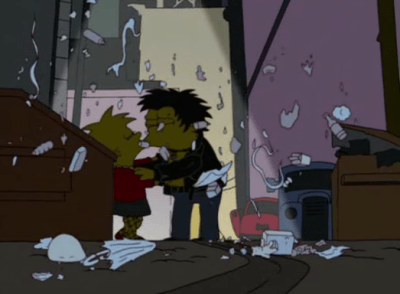
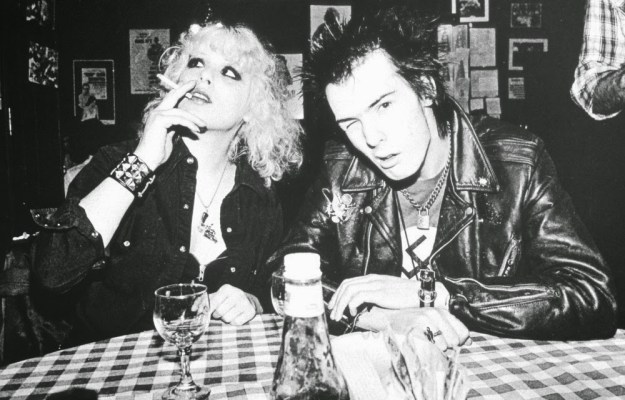
This week we watched Alex Cox’s tragic love story of Sid and Nancy which was a romanticized yet guttural portrayal of the relationship between Sid Vicious of the Sex Pistols and Nancy Spungen. The film centers on their relationship and its gradual degradation due to their drug abuse that would eventually lead to both their deaths. Anyone who reads about the story of Sid and Nancy now would most probably feel pity, despite their self-destructive behaviors, as they were no older than 21 years old when they both completed their death pact. I remember reading about them in high school when I was researching about Kurt Cobain, another rock tragedy that was influenced by their unfortunate story as he found immediate interest in his wife Courtney Love because she “looked like Nancy Spungen”. She even tried to audition for the role of Nancy in the film, but was instead given the minor role of Gretchen, but has since adopted many stylistic parallels to Nancy’s iconography. Just to mention so before I get really deep and sad about the film, I couldn’t believe I hadn’t seen this film as one of my favorite episodes of The Simpsons (Love, Springfieldian Style) reenacts basically the whole plot with Lisa and Nelson with the substitute of heroin as candy.

tumblr_mi37dfg9Mh1rnw73go1_400

The actual film is a difficult watch, as it implores a love triangle between a young couple and their addiction and shows the physical deterioration and derailment of their lives to its infamous conclusion. Cox compliments the film with a haunting soundtrack that follows the explosive punk music they originated in the beginning into a depressive new wave as their era begins to fade. 

The portrait of punk rock is nothing short of lively and destructive, just as the stars lived their lives in the early 70s of England in their close-knit scene. An enormous cult factor of this film is the portrayal of a largely despised but later appreciated movement of punk-rock, which was counter-cultural in nature. Legs McNeil, a music journalist and witness to the punk-scene fad described the anger that justified the music “You’ve got to remember, Donny and Marie were on TV,” says McNeil. “We were tired of being nice. It was like, fuck you. The left had become as oppressive as the Republicans. They invented that political-correctness stuff. Punk was supposed to piss off everybody and make people think.” Sid Vicious was described as the “attitude” of punk by his manager Malcolm McLaren, being violent and provocative was his appeal. Nancy Spungen came into his life as a dealer for the bands in their scene, thus an introduction to the deadly lifestyle that characterized the music they were producing. The transgressive portrayal of their drug use was intended to be cautionary for Alex Cox, meant to evoke the tragedy of young lives destroyed by addiction. However the analysis of Sid and Nancy as a drug film is what pushed its cult status, illustrating how the addiction and the punk fad played hand-in-hand. In the reading Cult Cinema and Drugs, Ernest Mathijs writes

“Much like the way hippies adopted the negative term “freak” and wore it as a positive badge of difference, likewise with “trash.” In this sense, heroin films can have a wider appeal beyond mere users of the drug; they can also appeal to anyone who feels dissatisfied with the conventional parameters of everyday living.” 

Which is just how the musicians, groupies, and followers of the punk-scene in England felt when they coined the rambunctious and self-destructive essence that coincidentally would burn-out in a few years as most of their luminaries died from this behavior. While the portrayal of Sid and Nancy borders on romanticism, they were largely propped as an example in the time of their tragedy, and given no sympathy. The film offers a different understanding of their experiences, of how their screaming and intoxication was an imperfect, immature story of two kids who really cared for each other. The famous wide-shot scene of Sid and Nancy kissing in the alleyway while trash falls around them to the slow-motion guitar music of Pray for Rain, is spell-binding and creates an illusion  around their harsh reality as surreal and intoxicating as the infatuation they must have felt for each other. 

tumblr_otf2umBLrA1rldhmro3_1280.jpg

am too sad to write any funny captions </3

In short, this movie made me cry. Watching the gradual collapse of the young lovers is painful but beautifully composed, and I can’t believe I hadn’t seen it before. While I found Chloe Webb a bit shrill in comparison to the real Nancy Spungen, she does a good job of portraying her as excruciating but loveable for her genuinity. I implore anyone who was as fascinated by her as I was to read this New York Magazine article about her misunderstood influence on punk-rock despite being widely hated for yoko-ing the Sex Pistols. As for the presentations by Tallula and Patrick, I think they complimented the transgressive nature of this week’s film in starkly different but communicative ways. I definitely am interested in watching La Haine now as I am in Love with Vincent Cassal (also ages like a fine wine) and the gritty, angsty appearance of its filming is really speaking to me in these dark times. If anyone has read this post in its entirety, here’s a pic of me and Mia being countercultural. 


Good Tunes is Cult Tunes

This week I watched Detroit Rock City from Ohio with a bunch of Ohioans. It was my first time seeing it and immediately recognized that if I had seen this movie in high school I probably would have been obsessed with it. I had a thing for 70s men fashion then, the hair really got me. I’m also a huge fan of Edward Furlong, seeing as I think Terminator 2 is the superior movie, and I’ve yet to see a nazi seem slightly relatable in a film other than American History X (I emphasize slightly). The hard rock scene of their time was also very cult-like, considered an outcast in its era which of course has since been revisited and given a new appreciation. Part of what I really enjoyed about this film was reading all the negative reviews about it. Many sites claimed it didn’t have enough KISS, plot wasn’t any more than smut, or that it just simply goes in circles. I enjoyed this quote by a Cinema Crazed writer Felix Valesquez, he writes “Granted, “Detroit Rock City” is by no means a masterpiece; hell, it’s barely a great movie, but it packs in enough talent, fun, and healthy delusions only KISS fans are capable of.” I think the film gives a stylistic interpretation of the grungy teenage overconfidence that the characters are meant to represent, which is why it resonates on a nostalgic level with KISS fans who grew up in that time. It’s not an over-glamorized expose on the sexy rock n roll lifestyle of the band, but a realistic representation of the rough, hormonal life of the fans that made them popular. 

CjYjiMZ.gif

followed by a very tender moment of premature ejaculation

In the podcast with Adam Rifkin, they talk about how Gene Simmons’ wife plays the cougar lady in the men’s strip club that takes Hawk’s virginity. Talk about meta opportunities. I wasn’t alive then, but watching Jam’s mom turn on the record player to what she believed to be the Carpenters and hearing the opening solo to I Stole Your Love was goddamn hilarious and a comical highlight to a generational gap that can be relatable to anyone. Detroit Rock City offers lots of references, little easter eggs for those who experienced the time it does to, for a comedic effect that has aged well in the rising cult-status of the film. 

One of the first comparisons I could personally draw to the film was how much it reminded me of the boys in Freaks and Geeks, which began airing exactly a month after the movie was released in 1999. It does a wonderful job exploiting the grungy, rock n roll outsider fashion in the midst of the colorful, gaudy decade. Not to make my blog fashion-focused again, but I love making a parallel in the two military jackets in both the movie and the show, as it’s a quick reference to a post-Vietnam culture shift that is reinvented by the youths.

tumblr_m3kvojZ6971qgxoimo1_640.jpg

Being catholic gets you into way more problems than you’d think

In short, this film is as jam-packed with life and sex as the fans that made KISS golden, and it’s totally shameless about it. Despite what the cynics (Paul Tatara cough cough) say about it being “infantile” or “absurd” the ultimate point is that KISS fans really couldn’t give shit, because they thrive on their cult-authority. Another review by Contact Music writer Rob Blackwelder, who describes the film as “weak” also makes reference to the infamous KISS film “KISS Meets the Phantom of the Park” that I think can also resolve some of the negativity towards DRC. He states,  

But they knew the movie stunk. The audience knew the movie stunk. It was part of the fun.” 

Can this not also be said about the frenzied, down-to-earth film about the very fans that still loved this band despite their bad acting? I think the logistical problems of the movie come to naught in comparison to the genuine portrayal of a bunch of fan boys beating the shit out of each other to see their favorite band. Sick watch, one of my favorite. Can’t wait to see more rock n roll next week!!!!

tumblr_mvc9vuXtpF1rkpegko1_500.gif


Wipe that face off your head, bitch

Dazed and Confused has been one of my favorite movies since I was able to relate to it, so since about freshman year in high school. My now-best friends and I saw it together and immediatley were envious of how laid-back and free their high school experience was. We were in love with the long-haired open-shirt boys and the PANTS good god the pants that the senior girls wore. I remember watching my best friend Dalia give the entire “George Washington, man, he was in a cult” speech to some guy at a party who was zonked out of his mind, to which he only responded “wow, I can’t move my body”. Needless to say, I have very good memories associated with this film. It was Linklater’s intention to invoke a sense of nostalgia for people my parent’s age, but the genuine depiction of youth and impertinence can be relatable for anyone with that teenage drive to be free. Linklater does an amazing job of characterizing the young teens, though briefly, with starkly differing personalities that are just beginning to form a sense of independence.There was such a great importance put on the individuality of each character, and in the time of which it took place they really had no thought about the reality of the world they were growing into but more about their own personhood.  Given that stores would sell any teenager beer at the time if they said they were 18, and there was no longer any war for teens with no direction to be drafted in, the world was these kid’s oyster. 

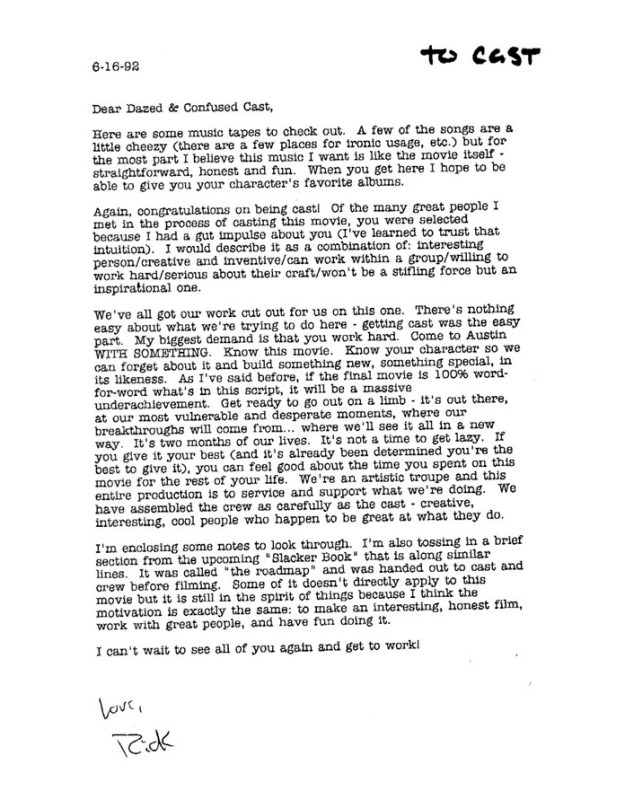
tumblr_o94kjccCLZ1qej1i6o1_1280.jpg

Linklater sent this letter to his cast with a few tapes of who he believed their characters favorite musicians would be. He used music to emphasize their individuality as realistically as it was experienced by teens in the 70s. Music was extremely polarizing for teens and their persona’s, who they wanted to embody and rebel against. Rock was a huge form of rebellion in its beginning, and hard rock only amplified that through the 70s. Carey Martin writes about how the heavy metal genre was basically ignored by critics in its time, which reinforced its somewhat cult following in the time, furthering the narrative of its rebellious nature. My dad was definitely into disco but also an avid “funk” fan, so the Dr. John and War really spoke to his experience, while the hard rock reminded him of all the trouble makers he knew in his day. The 70s is considered the best decade for rock n roll, having taken all the experimental cues from the 60s and right before the “sellout decade” of the 80s. It also emerged because of monumental cultural shifts such as the civil rights movements and Vietnam war protests, that changed the climate for creativity and made they hardcore works of Aerosmith and KISS revolutionary. It’s ironic that near the end of the film, Cynthia talks about how the 70s “obviously suck” when in retrospect it’s considered the golden era for music, and spawned the sentimental reflection of said music aka “Dad rock” that some would argue is what inspires the current wave of indie rock, founded by the new generations nostalgia of what their parents once listened to. 

130923-dazed-weed-15_a3xygl.jpg

have swooned at this scene before

Now for my breakdown of the best outfits in the movie.

tumblr_ogt890rwkr1v8rrbko1_1280.png

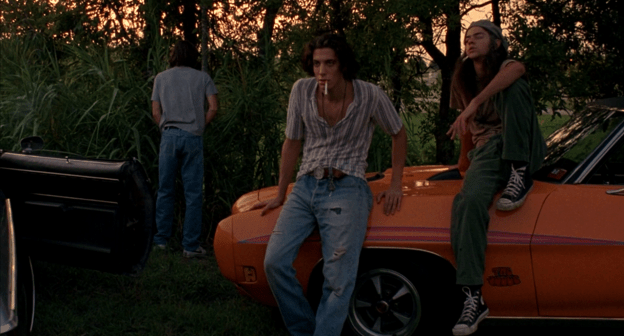
remember when bright orange and pink cars were cool? I wasn’t alive

We start with Pickford. Everything about Pickford. The Open chest shirts, the necklace, the long middle part, the joint, UGH. He’s everything you’d want in a high school boyfriend that you’d probably never see or hear from again after graduation. 10/10

unnamed-3.jpg

shoutout to Adidas #ad

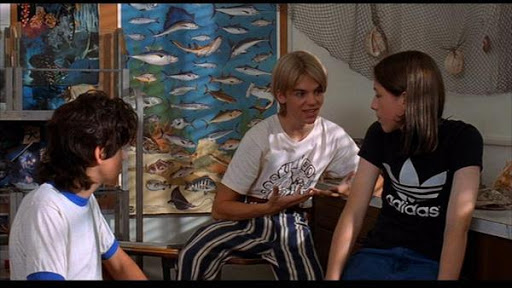
Then there’s Carl. A sissy? Yes, but if my mom had a shotgun and was willing to pull it out like that I’d probably have a little to compensate for as well. However, those striped-pants make me envious. A time before men thought it was emasculating to wear cool, figure-flattering pants. sigh.

Darla-Marks.jpg

girls can aggressively abuse power too!

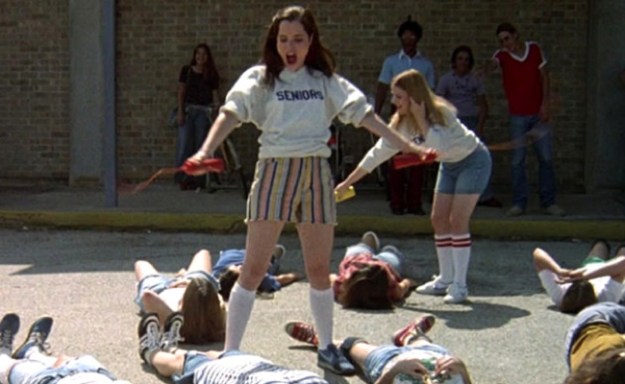
Then, Darla. Obviously the power of being a high school senior has gone to her head a bit, but who doesn’t love a stereotypical bitch that smacks gum like that? The SENIOR shirts are iconic, but the striped shorts and knee-high socks are such a monument to the 70s. More so than that, Parker Posey wears it with that crazy-ass smile like no one else could ever.

tumblr_oerx0mAtrA1vvt9jlo4_1280.png.jpeg

shoutout to puka shell necklaces

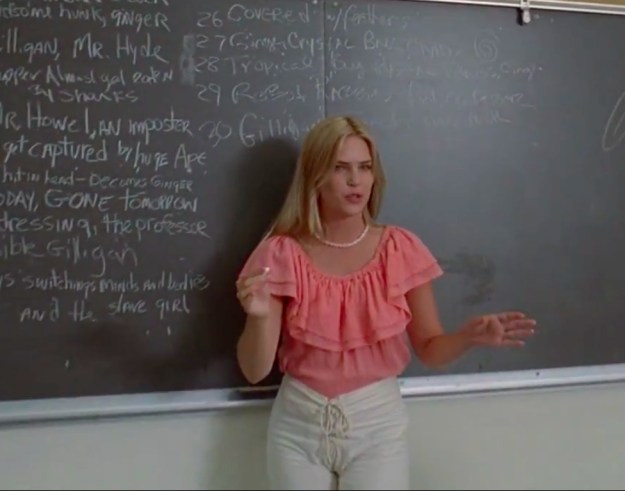
SHAVONNE. I think about this outfit often. The pink flowy shirt and lace-up high-waisted denim is so damn feminine and flouncy in itself it only makes sense to be rocked by a tanned, blond sweetheart like herself. Watching her girlfriends pull up her pants zipper with a pair of pliers? We all suffer for fashion, especially to look that good.

Pickfords-dad.jpg

no caption, look at the collar

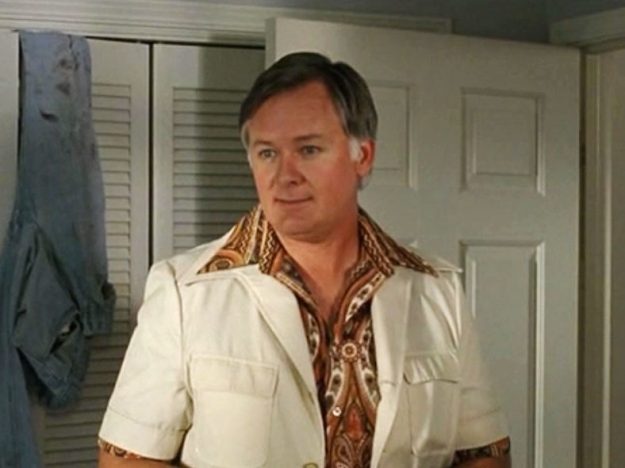
Pickford’s dad. The short sleeved “going on vacation” jacket could quite literally, only be overshadowed by a collar that damn big. These patterns rock, even though he’s technically “the man”.

e77bb892caf400508b75f910c6c8f67f.jpg

Matthew McConaughey ages like a fine wine

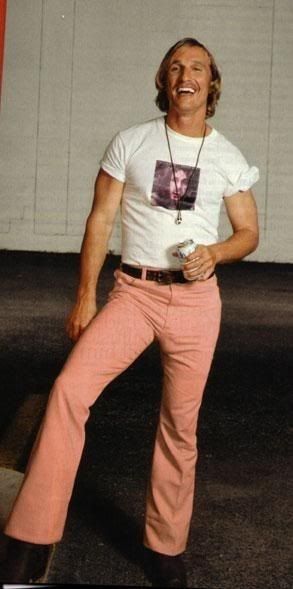
Last, but not least, Wooderson. He’s sleazy, but goddamn is he smooth. A Ted Nugent shirt and tight pink denim flare pants are actually the least notable thing about this outfit, but surely appreciated. His cigarette-sleeve and pervy mustache are everything to tell you this guy is too old to be hanging with these kids. Matthew McConaughey was appearing in his first feature film, and damn did he make an impression in those COWBOY BOOTS!! 

I’ve greatly enjoyed making this post, it’s certainly made me nostalgic about my own high school experience. I had a great time presenting this week as well as watching Mia’s presentation of the inner workings of Stanley Kubrick’s mind. I hope this movie was as much a joy to everyone else as it was for me!


the LIVING DEAD!

This week me and my squad watched Suspiria during our first ever pandemic and it helped us dissociate from reality with its technicolor german expressionism and sick prog rock score. I had seen the film only once in high school and was too scared to turn the volume higher than 10, so I had entirely missed the musical component for years! This film was considered an “essential” for art students at my school because of it’s stunning visuals, and opened a treasure chest of european films for me that seemed to follow no cinematic basis that I had ever seen before. It actually lead to me seeing Valerie’s Week of Wonders coincidentally. The concept of foreign horror films were so focused on the experimental visual-centric scenes in a completely different way than American made films, and lead to me discovering another of my favorite genres, Italian spaghetti westerns!! I digress, let’s talk about witches. 

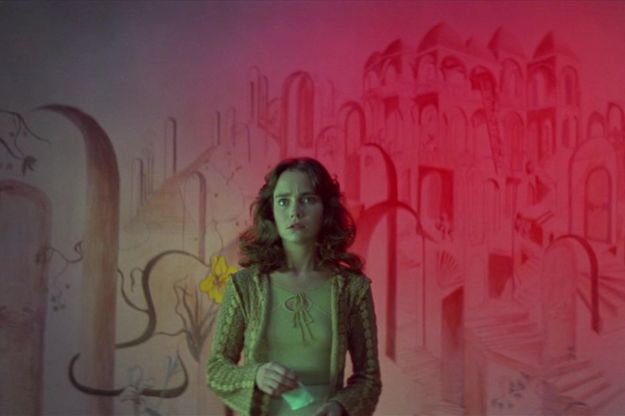
From the very first shot right up until the closing credits, it’s brilliant visuals will take your breath away. Though he was working on a tiny budget, Argento uses colour and light with such precision. His vivid reds and searing whites contrast with sussurating blues and edgy greens; when we are watching a blind character walking alone, everything slips into luscious shades of grey. Those who doubt the artistic potential of the horror genre should be nailed down and made to watch it.

suspiria1977_red1.0.jpg

them hues tho

Argento further develops the film’s dreamlike nature by utilizing, as Peter Sobczynski, a film analyzer, calls it

a truly go-for-baroque approach that takes all of the stylistic tricks at his disposal and pushes them to their limits and beyond. One of his key collaborators is cinematographer Luciano Tovoli, whose previous efforts, such as Michelangelo Antonioni’s “The Passenger” (1975), were marked by a down-to-earth realism. In “Suspiria,” he went as far in the other direction as possible. In this film’s unearthly visual scheme, mirrors, filters, enormous arc lights and offbeat colors are accentuated by Technicolor’s famous three-color dye transfer process.”

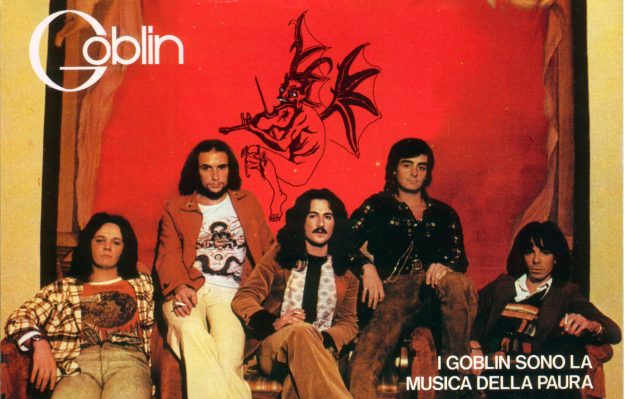
The vivid hues combine with a constantly moving camera to create one of the most distinct-looking films of any genre to emerge during this period. Adding to the surreal atmosphere is the thrilling score composed and performed by prog-rock group Goblin, who created rough versions of their music for Argento to play on the set while shooting scenes in which they would be featured. 

goblin2-e1465409152320.jpg

5 goblins 3 cigs

Argento’s visuals work in perfect harmony with the soundtrack he helped Goblins to compose, full of complex shifting melodies which play on the subconscious, adding to the sensation of lurking danger. The film is set in a ballet academy where young American Suzy Bannion (expertly played by Jessica Harper – cult queen and adoptee of Jim Sharman) begins to suspect that something is amiss. Fellow students are going missing and there are rumours of witchcraft. As she begins to investigate, Argento increases the tension almost unbearably. We also read that the film is almost entirely redubbed, making the audio just a bit off-putting and spooky as the characters mime the words that seem just slightly out of sync. In our reading by Andrew Cooper, he writes about the invisible power of the witches carried out throughout the film, displayed very subtly. Small things – a bat in a closet, the aggressive techniques of the teachers, the cliquishness of some of the other girls – build up into a tremendous sense of oppression, and real fear is not far behind.

tumblr_pza0qjK88i1r7dlj4o3_1280.jpg

lol

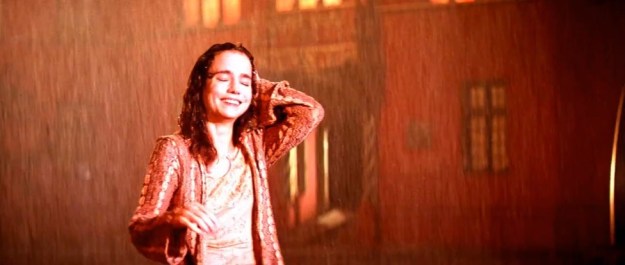
ALSO I love that this movie shows an early example of one of my favorite horror tropes, women laughing in the face of evil. It is later revisited in the final scenes of two of my favorite female-centric horrors – The VVitch and Midsommar. It is an excellent shot that encapsulates cathartic female rage and liberation.

You can always count on italians for some gaudy, fleshy gore to help you get through a stay-home order, and might I add that the fluffy hairstyles made the horror all the more bouncy and dramatic. I’m glad we can still continue this class online, and I can’t wait for our next viewing. I know it’s stereotypical but I probably watched Dazed and Confused upwards of 50 times in high school, and I don’t doubt it will cheer everyone up this next week.

Sobczynski, P. (n.d.). “Do You Know Anything About Witches?”: “Suspiria” at 40. Retrieved from https://www.rogerebert.com/balder-and-dash/do-you-know-anything-about-witches-suspiria-at-40

Gang Style Icons

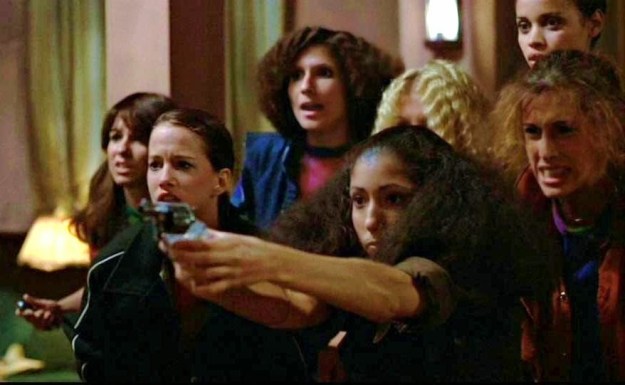
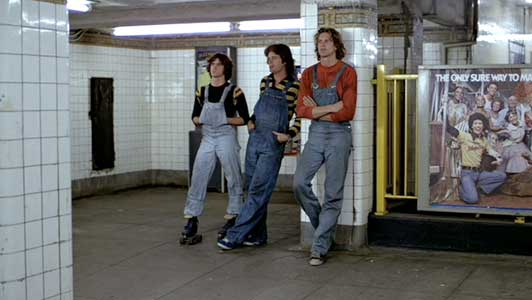
           This week Mia and I watched The Warriors twice and were entertained both times because of its flashy, surreal fight scenes and the cool jackets. The Warriors was argued to be “insightful” of violence at the time of its release, almost being banned in Boston. The depictions of gang wars and the game of catch-up are choreographed and made to be a dream-like version of New York City in a time in which the depiction of the city was depressing and downbeat. The original text of The Warriors was based on a novel by Sol Yurick in 1965 which depicts a much angrier and grimy, but one that isn’t saved by any courageous gang heroes. It is an unearthly world that the Warriors step into when they go to the gathering in the Bronx. In the wrong place at the wrong time, they have to beat some ass to get home.

The Lizzies 2

you can put ur dick away now

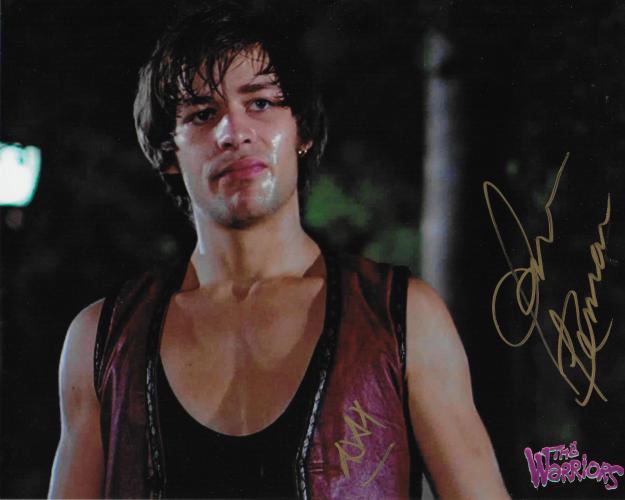
           The article “The Warriors” describes the movie as a theoretical baseball game in which the gang hits different subway station bases to get back home to Coney Island. Being based on a greek epic, a few men are lost to their masculine sensibilities unsurprisingly, one of which including young James Remar with an earring. Being filmed almost entirely at night, the empty streets and subway stations depict the city as a territory over run completely by the gangs. You can see why it would cause paranoia in 1979, with a city boiling with midnight movies and serial killers. However the film is made to be hopeful and keeps attention the whole film with the strangely different personalities and accessories of the gang aestheticism. I personally loved the outfits of the Lizzies, and the frizzy hair and insane chair smash move. I loved the role of women in the film, they were as unruly as the men surprisingly for a movie about gang-violence nevertheless in the 70s. It was a quick turn of the tables, like sirens with all similar shirts on that they obviously underestimated because they’re hot. The characters were easily the most interesting part to me; the Baseball Furies were easily my favorite, but the fight scene in the bathroom with the Punks was so on beat and epically staged you can see why there are no other movies quite like The Warriors. 

warriors3

extremely casual

          In The culture of Fandom by John Fiske, he explains that the cultural economy created by over enthused fans is what pushes the industry to produce more content to be consumed. This is how the cult-audience of The Warriors were able to score a video game in 2005 and revive the classic and its groovy music. They fought for the film to be shown despite it’s enraging of the masses; it’s describes in the warriors article as “ artistically, (is) an uneven fim to say the least, but it’s so full of unbridled energy and drive, with frenetic pacing from beginning to end, that it’s hard not to root harder for it to succeed than those bigger-budgeted films with more ‘socially-acceptable protagonists’”

97_1_5

xoxo thanks dr s


Most polite Dracula ever

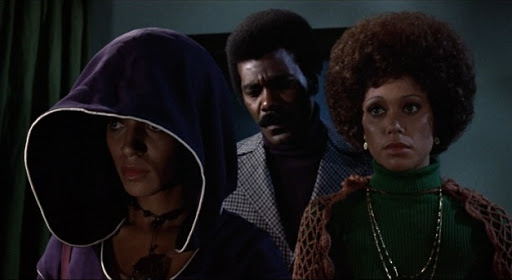
Blacula was a stylish, tasteful horror movie with an interesting take on Bram Stoker’s Dracula that gave a different perspective on being enslaved to darkness. The movie, while following many blaxploitation tropes, was less exploitive in that they gave Mamuwalde a compassionate personality. Blaxploitation films were made to make money, and exploit the fact that there were few movies available to black populations, but Blacula does a great job not adopting the shitty stereotypes made by white people that oppressed them. The tropes of blaxploitation include groovy soundtracks, kung fu, and inappropriately treating women; these movies were made in a period of the seventies in which black populations had very little positive representation in mainstream. While these movies utilised stereotypes that weren’t exactly flattering, they were some of the first examples of empowering black representation. Blacula, while its name quite obvivously is blaxploitive, was humanistic in its tropes and made the audience really feel for Blacula’s plight. The story revolves around black prince that in his attempt to free slaves in 1780, becomes enslaved to bloodlust, and has to kill to live though its not what he wants. He reawakens in the seventies and is immediatley met with a interracial gay couple that he kills because of his long sleep, which is an interesting inclusion of another marginalized figure in comparison to black supression, which would be gay men of that era. He sees the reincarnation of his long dead wife in Tina, who he seeks out and inadvertedly scares and kills a few people to get to her. While his mannerisms are incredibly charming, Mamuwalde is forced to commit violence to live though his true intentions are to love. It’s tragic, the euphemism for slavery is what ultimately leads to his capture and suicide. The sequal to Blacula took, as Tallula put it, two steps backwards, in that it utilised almost every trope and stereotype available in attempt to milk all the money possible from the first franchises hit in the box office. The genre-mashing of the movie makes it complex to critique, being not totally in trope-following of blaxploitation and inclusive in assocaitons regarding race and gender among horror movies. The film is a great amalgamation of William Crane’s decisions to make Blacula a protagonist to be empathized with. There are many examples of the disconnection to black culture he feels and how the racist plight of  white cops is what ultimately ends Mamuwalde’s life. A lovely break in most of the romances in movies in the 70s, in which violence against was at an all time high, Blacula and Tina’s relationship is genuine and romantic. He doesn’t pressure her to join him into vampirism and shows only polite romantic feelings towards her.

unnamed-1.jpg

I also greatly enjoyed the use of capes in the movie, as I’m sure it was intentional. As it’s evident that black populations borned many trends that were later appropriated by mainstream culture, it was fresh to see primarily black main characters and celebration of the fashion and music of their apportioned community. The taxi driver’s scene in which she runs at the camera in slow motion was a tasteful scene in which a black actress is not being put into a racial standard or stereotype for horror, but rather just a scary one. So Badass. 


Midnight movie rulezz

John Waters loves to highlight the perversities of taste through 60’s hairstyles. His language in cinema doesn’t require a great deal of technical skill because of the choices made in subject are so visually appealing, and often meant to provoke that it almost compliments the explicitness to have it so poorly shot with such little reveal. With a budget of $12000, Waters relied on the concept of Pink Flamingos to be the body for his film, and that it was. Definitely an exercise in taste. I found myself wondering about how little shock I felt to see those scenes because of my own exposure to the internet, where as my own mom would probably not make it ten minutes into the film because of our differences in taste. Trash to others is not worth viewing, and definitely not worth reviewing, which is why it found its place among the midnight movies in 1972 upon its release. The underground nature of this movie is what borned its cult following. Having every type of taboo in one movie doesn’t exactly bring in families to the box office, but certainly piques interest in those who wished to see something different in its time. Midnight movies began as low-budget B-movies in the 50s that were aired for late-night programming and eventually became a phenomenon into the 70s for offbeat screenings that didn’t have a place among big-name films. My dad told me about seeing Night of the Living Dead as a midnight movie when he was in college, and how the shocking gore of it scared him shitless as a sophomore in college. Coolidge’s “After Midnight” online guide describes the nature of midnight movies in the 70s as “horrifying, weird, camp, avant garde, tripped-out, and cult films.”  in which Pink Flamingos would check almost every box. Into the 80s, the midnight movie began to take on a purely camp take, in which its aesthetic value was determined by its bad taste and irony. Pink Flamingos is an excellent example of camp, and how its is counter-modernist in all its glory. Being kitschy, kinky, incestuous, and just disgusting, the shock value of many of the scenes were iconic for the time it was released. Susan Sontag describes the appeal in camp being very personal, in that we all relate to the disgustingness of camp culture even if its not directly obvious. Being felt to be the “bad taste” of society would also draw one to enjoy these types of movies, which is why Pink Flamingos is also considered a queer classic. Being unacknowledged by the film industry led queer movie watchers to find indentity in less celebrated movies, and reappropriate their meanings to be personal. Pink Flamingos needs no reappropraition as the kinks and such were anything but heterosexual. Waters used a small group of uninhibited actors and actresses in their particular roles as misfit characters, including Waters childhood friend Glenn Milstead who would embody Divine the Queen of Filth. Filth is a repeated word in the film, one that is celebrated and coveted, which is only highlighted by the gaudy trailers, dresses, and (of course) hairstyles that Waters stylistically uses to portray his stories.

Feature-Waters.-Top-image-750x400

Mary Vivian Pearce can step on me with that choker

I loved the movie and I loved watching it again in class; it let me appreciate more of the visual value in Waters choices. It’s no hairspray, but being able to stomach the majority of the Filth in the movie makes one feel a bit accomplished for finishing it. I love the value of kitsch, and I want a pink trailer (and every outfit Cotton wears).