This week was interesting for many reasons, but the part I enjoyed most, was getting to watch our screening before we discussed the readings for this week. “Carnival of Souls” was a very engaging film, even thought it was written intentionally slow.

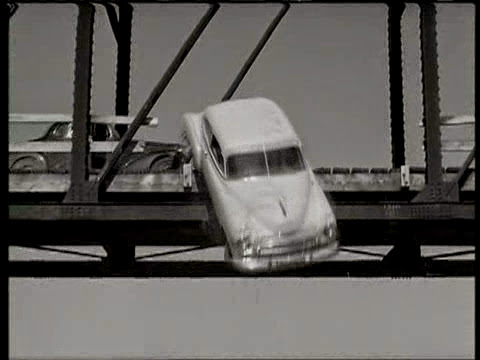
I found the titles during the opening scenes of the movie to be very artful and creative. The way they hugged the horizontal rocks and fit into every landscape that they were placed into, was honestly ahead of its time. The car crash however, seemed rather unconvincing, but was perhaps the best technique they could use with their budget, and the technology available to the industry at the time.
This film featured another cool travel montage. While the main character was on her way to Utah, different camera angles gave life to her journey. The transitions were also sharp. I did find it interesting that even though this film was intentionally slow, the transitions were so abrupt at times.

My favorite part of this film was the sound isolation during periods when the main character was in public. There were two distinct times when all that was audible were the sounds of her footsteps. These periods gave the entire story more depth. As suddenly as these periods began, they ceased with the sounds of birds chirping.
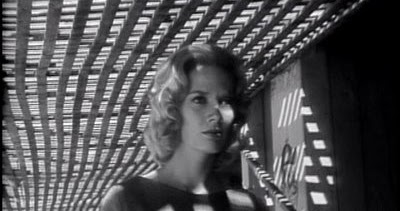
I am not a big fan of getting scared, but I do enjoy watching horror movies, if I am with other people. This film, though not scary, had some elements of un-comfortability. The man that our main character kept seeing, and then eventually kept encountering, really creeped me out and made my skin crawl. The most prominent example of this was when the neighbor was in Mary’s room, and was being quite forward with his advances. She was perched against the dresser and it seemed that the neighbor had put his head into her neck, when in fact it was the man Mary had been visited by since she got to Utah.

Throughout the entirety of this film, it was never in my mind that Mary was in a state of purgatory. I simply just thought that she was dealing with some sort of post- traumatic stress following the car accident that occurred just minutes into the film.
Our readings this week were pleasantly surprising. I was very glad to see that they were all connected in their own way. The most connected thought through these readings, was the work of Benjamin. These readings referred to Benjamin’s thoughts of a film’s aura. The aura of the film is what makes it great. As we discussed in weeks prior, that this aura could be destroyed by mass replication of products, but it can also be strengthened by adding other elements into films. Examples of these included well known composers writing musical scores for films that were low budget in every aspect, or star-studded actors appearing in films that would otherwise lack any sort of luster. These techniques have successfully brought many films from their respective periods of creation, and into our film class, and many like it across the world present day.
It is clear to me that the aura of this film is the beautifully shot scenes, the masterfully executed sound isolation, and the unexpected purgatory.




 Cult Movies