Author Archives: zanescott13

Cult Takes A Detour

The rise of counter-culture shone through in the sixties. Most notably were Midnight Movies, and the rise of camp. These films would be designed to go against the grain of the modern film world.

Midnight Movies were movies designated to be screened at midnight due to the film being seen as more violent or disturbing. Our reading describes the midnight movie phenomenon as, “Mark Betz (2003) argues this shift was encouraged when “kinky” foreign art films and American underground films came together, near the end of the 1960s, in an exploitation/art circuit that emphasized the countercultural potential of cinema. Parker Tyler (1969) suggests a cross-fertilization between filmmakers who started to include more sex and violence in their films, and the demands of theaters catering to more permissive taste patterns, created a momentum in which practitioners and patrons encouraged each other to go ever further (Tyler 1969).”

Camp is all about doing what others are not and to challenge what others are doing. Camp the aesthetic of glorifying everything that is of bad taste, and the irony of it all. Camp really started shining through in midnight movies, where more obscure taste was screened. An iconic camp film is John Walter’s Pink Flamingos.

This week’s screening was the b-list (b doesn’t stand for bad) film called Detour (1945). It was about a guy dropping his job to meet up with the woman he loved across the country, though he didn’t have any money, so he would hitchhike across America. This film noir was filmed in 6 days and was a huge hit in the box office but its quality would hold true creating the cult status it has today.

The protagonist of the film is an amazing pianist named Al Roberts. Played by Tom Neal, Al has a feeling of hope in his spirit but when the film takes him further through the country there’s of sense of hopelessness in his eyes like what ever is happening or going on just simply didn’t matter to him. The look in his eyes while he sat in the driver seat looked so unfocused that I thought that he might’ve even felt the same way about the movie during its filming.
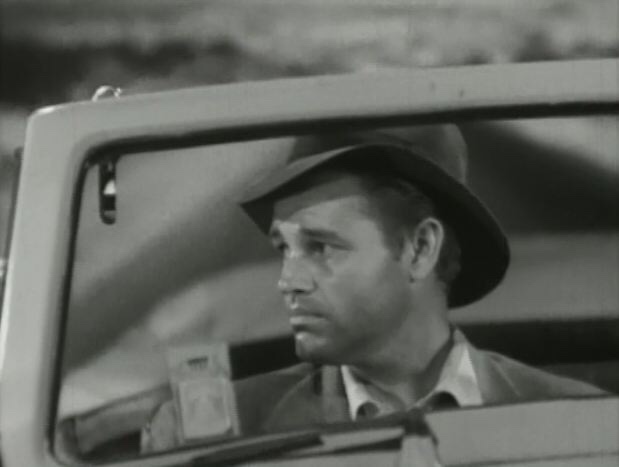
The other star of the film comes later when Al picks up a hitchhiker himself with the car of someone who accidentally died while giving Al a ride. The fellow hitchhiker Vera, played by Ann Savage, exposes Al for stealing a mans identity because she rode with the same man before Al did. When the two team up to sell the car in California Al accidentally chokes Vera to death leaving Al purely hopeless and disturbed with himself.
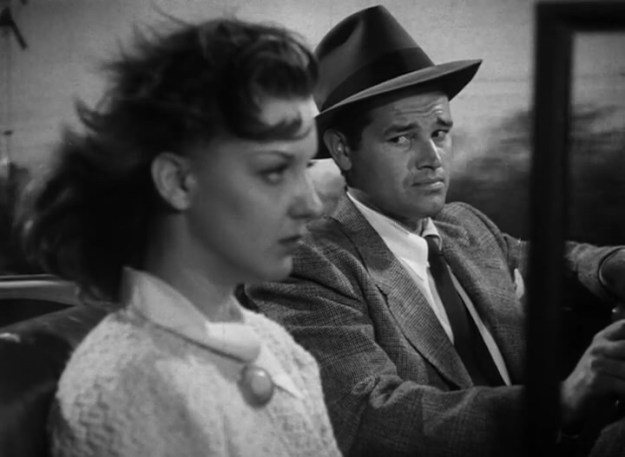
The two stars of the film are what really set this apart from other film noirs as they where not the traditional stars of these type of films. Usually a brave strong man followed by the beautiful worried woman. Al was quiet and paranoid while verdant was determined and in charge.Followed by the bright scenery rather then constant rain and darkness, Al and Verda broke the stereotypes hence giving the genre a new dynamic not seen before.
Cult is Cool

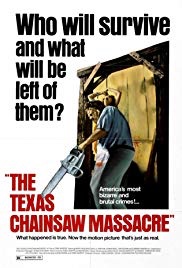
Before this class, I had never given much thought to what constitutes as a cult film. I simply knew that The Texas Chainsaw Massacre (1974), for example, was cult and that The Sound of Music (1965), was not.

The “Checklist for Determining the Power of a Film’s “Cult” Status” handout we were given has helped me to put this into context. I now know that, films that meet a majority of the proposed criteria are more likely to be a cult film than films that barely meet any.

The checklist is:

  1. Marginality (falls outside of general cultural norms)
  2. Suppression (subject to censor, ridicule, lawsuit, etc)
  3. Economics (Box-office flop at first)
  4. Transgression (Breaks the rules)
  5. Cult following (devoted fans)
  6. Community (Audience is a self-identified group)
  7. Quotation
  8. Iconography

Film historian Ernest Mathijs and filmmaker Xavier Mendik give a pretty good definition of what a cult movie really is in “The Cult Film Reader.” They define cult film as,

A cult film is a film with an active and lively communal following. Highly committed and rebellious in its appreciation, its audience regularly finds itself at odds with the prevailing cultural mores, displaying a preference for strange topics and allegorical themes that rub against cultural sensitivities and resist dominant politics.

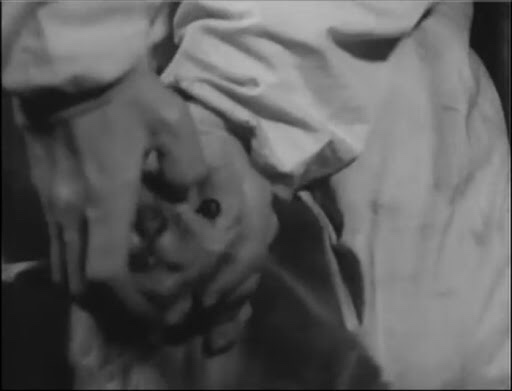
Quite honestly, I found the first screening of the semester, Maniac (1934), to be confusing, awkward, and undoubtably bad. Nonetheless, I found it funny, entertaining, and aesthetically appealing. The fact that I actually liked this awful film is exactly what makes cult movies cult. The “badness” of the film is what appealed to my humor, and the shaky shots and strange animal scenes were something I enjoyed.

They second screening that we watched was a documentary by the name of American Grindhouse (2010). American Grindhouse does a great job connecting exploitation cinema to the history of film, starting from film noirs exploiting violence by finding clever ways to portray it, to how the birth of the blockbuster was when cult cinema came into the mainstream.

This also taught me the importance of exploitation in American history. Film makers would use their knowledge of the culture of the time and used it to their advantage. Such as in the middle of the civil rights movement, there was a rush of films being produced with more African-American actors and actresses and topics relating to them, the Blaxploitation movement. Just like the popularization of psychedelics and sex, these would be used to attract curious viewers in the ’60s. It’s funny how, in every era of history, there is something to exploit and make money off of.

I am very excited for what is to come in this class, and everything I will learn this semester, especially considering the fact that I have not seen any of the movies that we will be screening. I am especially excited to watch Pink Flamingos because of all the controversy that surrounds that movie. I am also excited to watch everyone’s presentation on their cult movie of choice.