Category Archives: Uncategorized

Suspiria

This week is kind of the week I’ve been dreading. As soon as I saw Suspiria on the syllabus, I was not excited. I saw the new one with a friend because he told me it was an art house film about ballet. What he didn’t tell me was that it was also a horror movie. I don’t blame him, I never would have gone with him if I knew that it was horror. I simply can’t do horror. And I really don’t know why. Horror elements or scenes from in a dark movie that could be classified as horror don’t really bother me. Nor does horror in the Lovecraftian sense. I can do all of that and actually tend to like it a lot. But as soon as the movie has gruesome deaths in a horror movie I kind of find it hard to watch. It’s not even the gore that gets me, I’m fine with that. It’s like a primal fear of being killed horribly and one of my biggest fears; dying too young. Horror movie directors know this and always without fail manage to trick me every time I think I can steel myself to not be scared. The worst part is when I know exactly what will happen and sometimes even when it will happen and I still get terrified when it happens. Suspiria is no different for me. I’ll talk positives first before I get into the negatives for me. First of all, the soundtrack. I mean woahhhh. I definitely have listened to it several times before I watched the movie because my buddy has it on vinyl and sometimes it’s just what he puts on. But it’s awesome. I love it so much and it’s probably the best part of the movie for me.
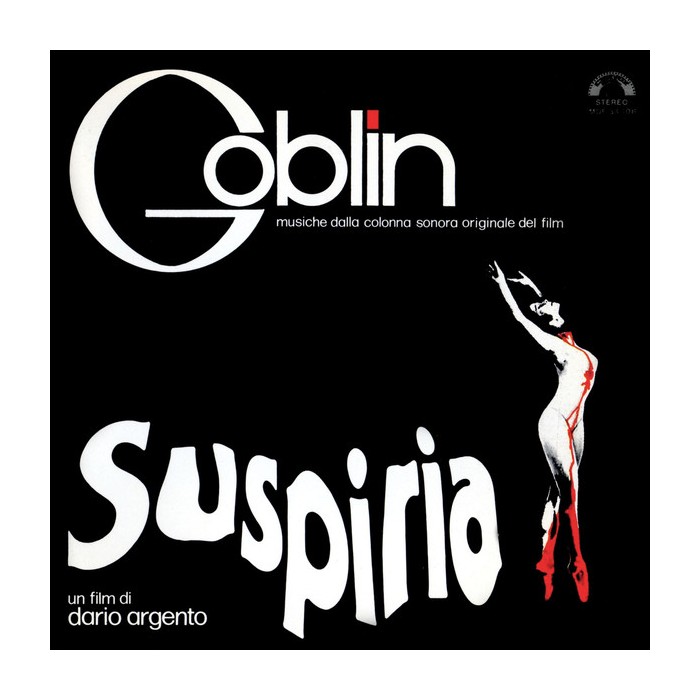
Goblin ‎– Suspiria (Original Soundtrack) - LP

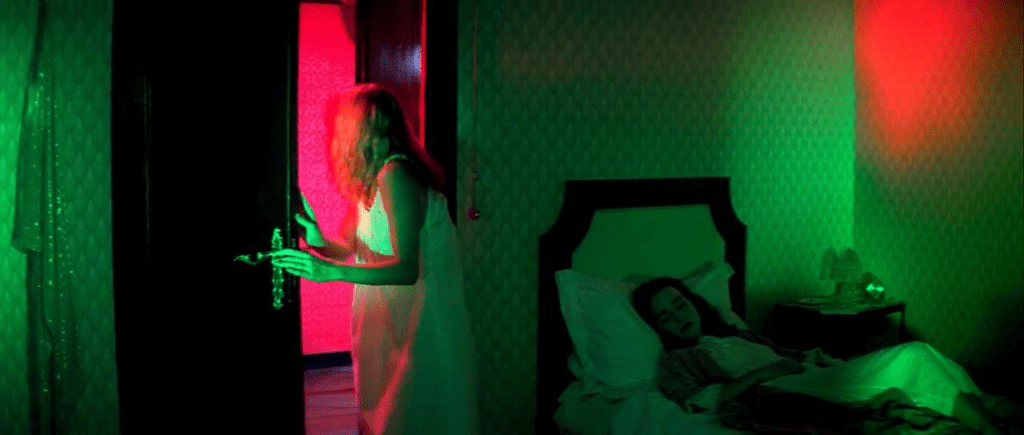
I also loved how the whole film looked. It took really awesome liberties with lighting and made the whole movie feel a little like a fairy tale, which was definitely the vibe I got from it anyway so it fit really well. The set design was on point too and really drew me into the world that was created. The whole film was a feast for the eyes and I loved it. But I have to talk about the things that got me. First of all, the practical effects are amazingly terrifying. The way the camera would zoom in and do closeups while someone was being murdered really made you feel like the whole thing was real. But I have to be honest, I was not a fan of any of the stabbings. It wasn’t that they felt too real to me; it was easy to tell they were fake. It had something to do with how strange and up close we as an audience were to a lot of these deaths. I definitely didn’t like that. Other than that though, the movie was pretty interesting and I loved the story. I’m probably not going to be watching it again anytime soon though.

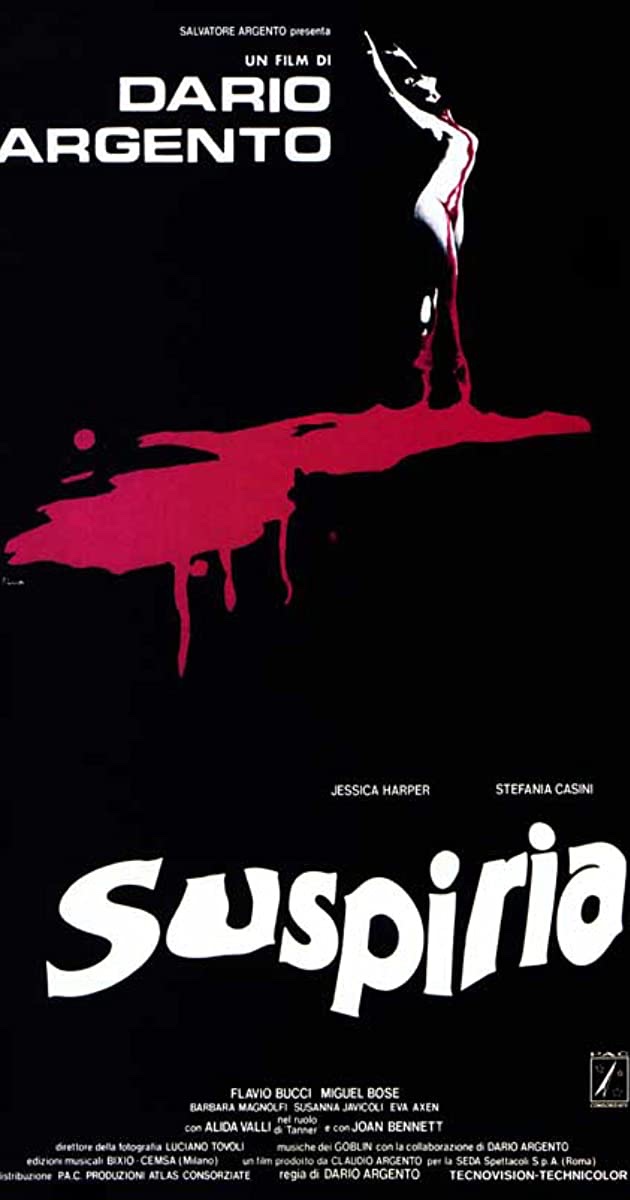
dario argento classic | DirtyHorror.Com

A Tale of Two Suspirias

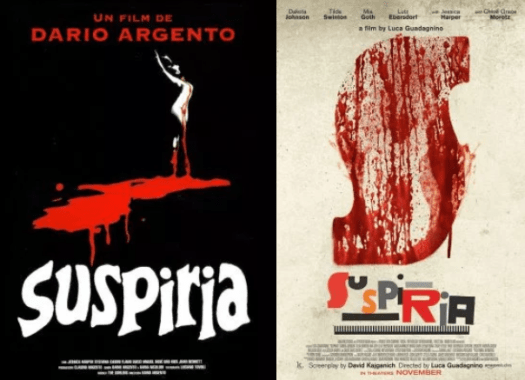
There was once a week where the Cult Film class of Alfred University was told to watch the original version Suspiria that was released 1977 and this film had a lot of expressionism in it and was one of the last films to use technicolor and it made the film look beautiful. But in the year 2018, Amazon released a new, updated version of Suspieia, that was very different from the original in many different ways. However, these differences never would affect the overall quality of both films.

Now that I told my story, let me just say that I have wanted to watch the original Suspiria ever since I watched the new one in 2018, and I can say that I wasn’t disappointed in the film. I loved every minute of it and it was very different from the new one, which is a very good thing. I will say that I watched the original film at night, which is how I believe horror movies should be watched, and I believe that this made the film even better for me. I loved every minute of it and even though I knew who the witches were, it didn’t detract from the horror aspect of the movie, in fact it made it better because I didn’t know what the witches were going to do next. The article this week that stuck out to me was “Expressionist Use of Colour Palette and Set Design in Dario Argento’s Suspiria” by Giulio L. Giusti and I will explore the reasoning.

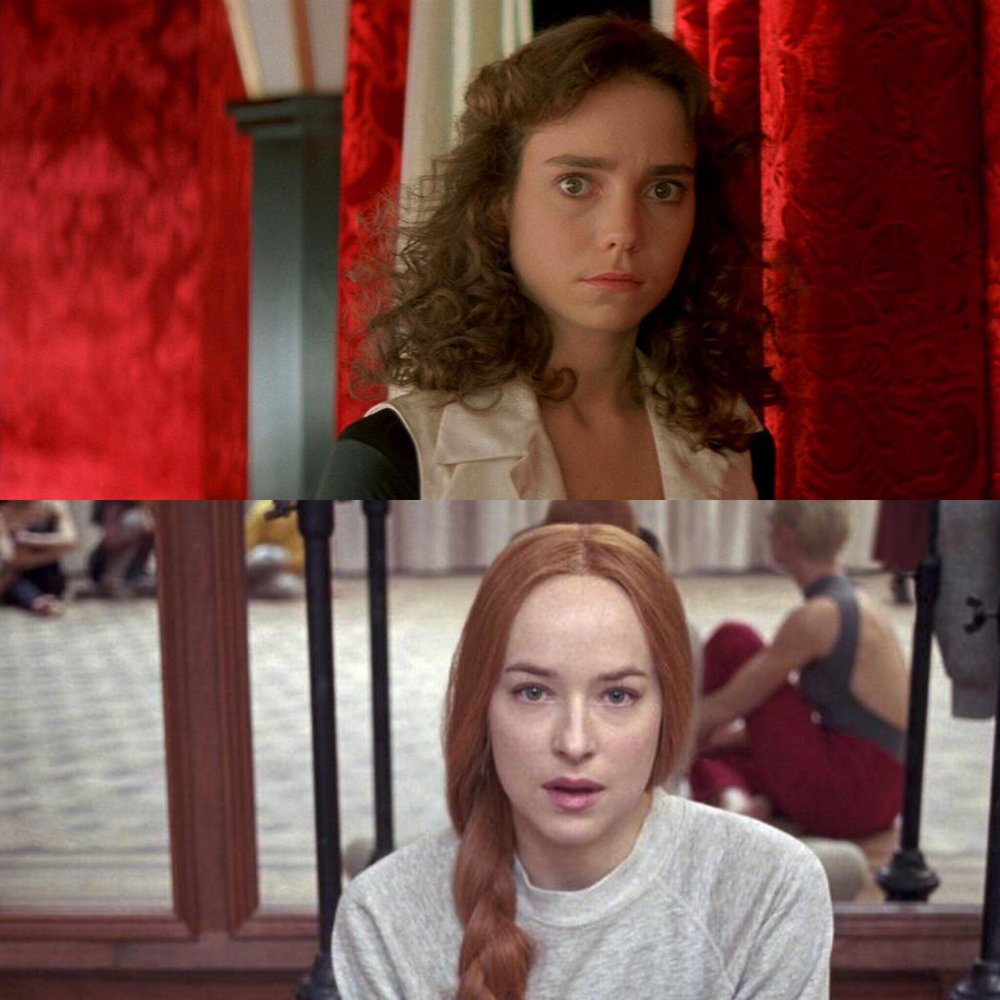
The Susie in both films

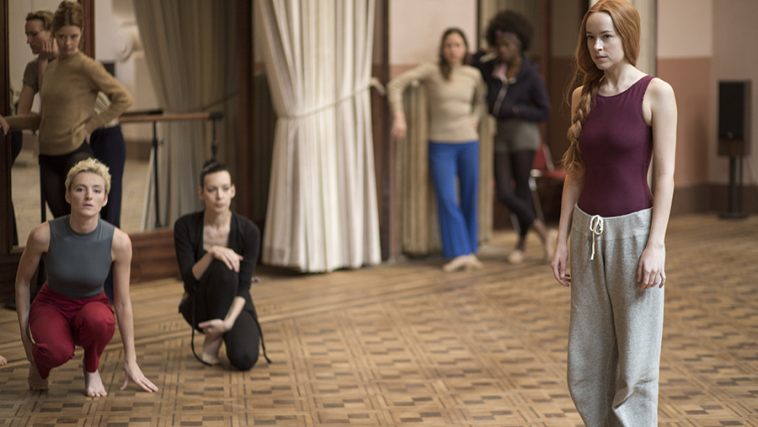
Both films have unique color styles and music that greatly impact the experience of both movies. The original Suspiria is inspired by German expressionism, which is what the article discussed, and this can be seen in the set design and the way that the film looks. The new Suspiria has no expressionism in it and it isn’t as colorful as the original, but this never impacted the film, in fact, it made the film even better and made the film different from the original. I rewatched the new one this week, late at night, and after watching the original, I can say that I am glad that the new one has no expressionism in it and that is because I don’t like it when a remake tries to be a carbon copy of the original. I love both of the films for many different reasons and one of these reasons is that one film has German expressionism for its style, while the other film seems more bleak and depressed, which helps the new one greatly.

Suspiria 1977
Suspiria 2018

Now in order for me to continue, I have to spoil the new film through the blog and also through a video. Seriously, if you don’t want the new film to be spoiled, just skip past the video and you will be good. I have warned you.

The new film is very different in the way it handles the end of the film. The new film puts a twist on the common horror movie ending that you are expecting by making the main character the final monster, or in this case, the mother witch. This ending really makes this remake different from the original where in the original the main character destroys the whole dance academy and destroys the coven of witches. Now, I can continue talking about all of the differences between the two films for another 500 words, but I found a video that best sums up everything that I have to say about the two films. Now the video includes spoilers as well that I haven’t mentioned, watch at your own risk.

This video shows the differences between the two in way more detail.

Now in order to sum up this tale of two Suspirias I will say that the difference between the two films make them both great and unique as well. One thing that I have always remembered about the new film is the whole plot of the film and all of the disturbing deaths that happen in the film. The one thing that I will always remember about the orignal is the amazing music, it is one of the best soundtracks I have heard for a horror film, not as good as Doctor Sleep in my opinion, but it is good.

The theme of the original.

Suspiria and its nightmare whirlwind use of color

So let me start by saying the first time I watched this movie I was not impressed, and even said things like “I hated that.” I know, hot take, and now I take it back. It is a great film, after reading about it, seeing the remake, and watching videos and what not, I decided I really did enjoy it. I also watched the second remake, and god I’m not even going to get into how disappointed I was in that. The screening was directed by Dario Argento who used technicolor in the film, enhancing primary colors and their meaning. Yassa and Averi spoke about the readings and then summarized the reasoning behind the expressionist color theories behind the film. The two readings focusing on Suspiria and the director explained a whole lot, and rationalized my confusion post first viewing.

This video description gives a short synopsis of the reasoning behind the colors and theories in the film.

I was curious about the deal with the different languages and dubbing, it was so spastic I thought it was buffering at first. Thus described well in the reading specifically about the director of the film, Dario Argento, “as an Italian film with an American lead actress and a German setting, Suspiria combines the internationalism of the early gialli with the national specificity of Le Cinque Giornate in a way that … allows the film to reflect on the history of fascism that Germany and Italy share.” Argento was politically, art historically, and mystery fiction driven. He was a mastermind when it comes to cinematography when it comes to Italian horror films. These readings went into depth it seemed just about just every other still, and the lore and compulsion behind it.

I was confused about the movie at first. I couldn’t put together the plot, I was bothered by the dubbing, and the only thing I was struck by was the visual and auditorial aesthetics.

“They are malefic, negative, and destructive; their knowledge of the art of the occult gives them tremendous powers. They can change the course of events and people’s lives, but only to do harm. … Their goal is to accumulate great personal wealth, but that can only be achieved by injury to others. They can cause suffering, sickness, and even the death of those who, for whatever reason, offend them. … [Helena Marcos was] a powerful witch with a tremendous talent for doing evil, a real mistress of magic. … A woman becomes queen if her magic is a hundred times more powerful than the rest of the coven, which is like a circle. Its strength rests with its leader, its head. A coven deprived of its leader is like a headless cobra, harmless. Skepticism is the natural reaction of people nowadays, but magic is ever present … magic is everywhere, and all over the world, it’s a recognized fact, always.”

The above excerpt from the reading allowed me to appreciate the plot line, the underlying story I was unable to grasp, is now clear. The film as a whole, in my opinion, mildly riveting, but visually and auditory gee wiz was it fantastic. This film and the directors logistics will affect my video art making for sure. I will also be litsening to the soundtrack in my spare time from now on, what a mood.

The eery soundtrack with human screeching, a catchy triangle theme, like an entrancing emo fairytale.

Cult gets Sus

This week we watched the classic horror film Suspiria (1977). Set in Germany, a young American girl named Suzy, played by Jessica Harper, travels to join a ballet company where as she arrives she sees a woman leave the building who was found killed, and was not allowed in until the next morning. After strange things keep happening and more people die, Suzy eventually starts looking around and discovers the company’s secret plot.

This instantly became my new favorite horror film as I was absolutely amazed by how captivating the colors, soundtrack and ultimately its ability to keep me on the edge of my seat. Without over doing anything or trying to be too scary the film used its mysteriousness to just hold the feeling of something else going on above the viewers nose. I couldn’t help but keep watching as it slowly dragged me more and more into it as I felt I was in the film myself.

Yassa and Avery presented this week and one topic that was focused on was the Italian horror film. I’m the reading “A (Sadistic) Night at the Opera Notes on the Italian horror film” by Leon Hunt he takes a deeper look at why he classify’s as the four categories of Italian horror.

Horror as ‘bad object’: “Seemingly mindful of the genre’s dubious reputation, Clarens’s book epitomizes longstanding critical orthodoxy – ‘good’ horror movies do not show much actual horror (Universal, Lewton, Tourneur), but ‘bad’ ones do (Hammer, the Italians) because they lack imagination, taste, and restraint. Specifically, such an agenda could not help but react strongly against the ‘new gothic’ that emerged in Britain, Italy, and, to a lesser extent, America, where it was largely confined to Corman’s Poe films. These gothic cycles were more overtly about sex (or perverse sexuality) than horror had ever been before. They were more graphic, less tied to the big studios’ ‘good’ taste, and more eager to indulge in excess.”

Exploitation/art cinema: David Bordwell spoke about Argento’s work saying “frequently displays ‘patterned violations of the classical norm. . . an unusual angle, a stressed bit of cutting, a prohibited camera movement . . . [a] failure to motivate cinematic space and time by cause-effect logic.’ Prominent as well are enigmas of narration –’ Who is telling the story? How is this story being told? Why tell the story this way?”

The gothic and the giallo: “While the gothic horror cycle employed a female archetype epitomized by the erotic ambivalence of Barbara Steele, the giallo centers on a chic fetishistic object who embodies the implicit logic of this much-quoted statement by Dario Argento: ‘I like women, especially beautiful ones. If they have a good face and figure, I would much prefer to watch them being murdered than an ugly girl or a man”

Pornography/sadism/masochism: “Italian horror is particularly extreme and symptomatic, from the sexually charged scene when Asa’srotting body is ‘revealed’ in Black Sunday to the disgust registered in Lucio Fulci’s films. A film like The New York Ripper/Lo Squartore di New York (1982) displays its fear of the hostility toward the female body with a violent, numbing realism that would be difficult to equal”

Suspiria and the Power of Setting

"If one adopts this definition of the term “expressionist” for Suspiria, it proves useful to analyse the peculiarities of cinematography and set design in German Expressionism and to demonstrate whether and to what extent these peculiarities are applicable to Argento’s film. By doing this, the present article seeks to discuss how colour and set design in Suspiria also function as projections of the characters’ bodily and mental states to such an extent as to determine both the development and the several nuances of the story itself."

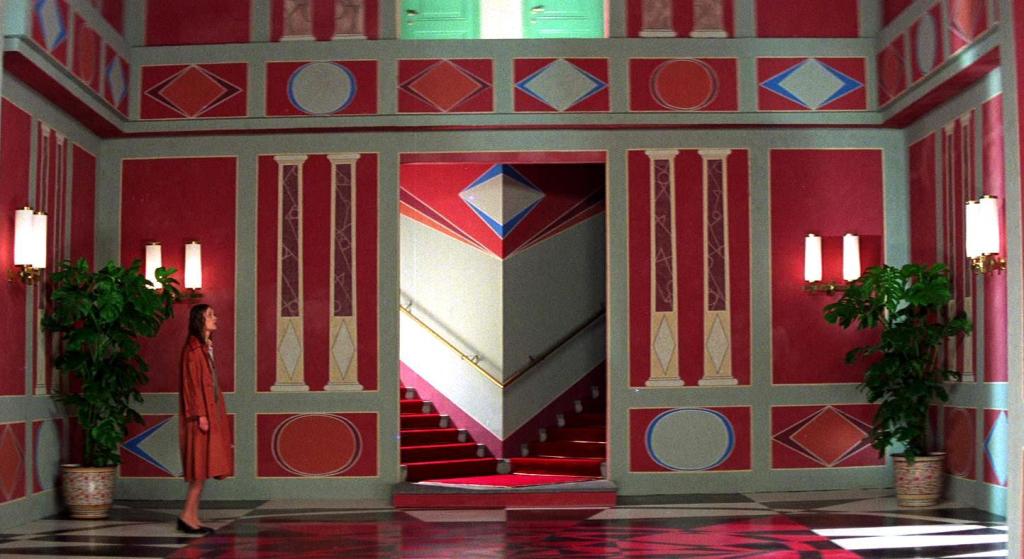
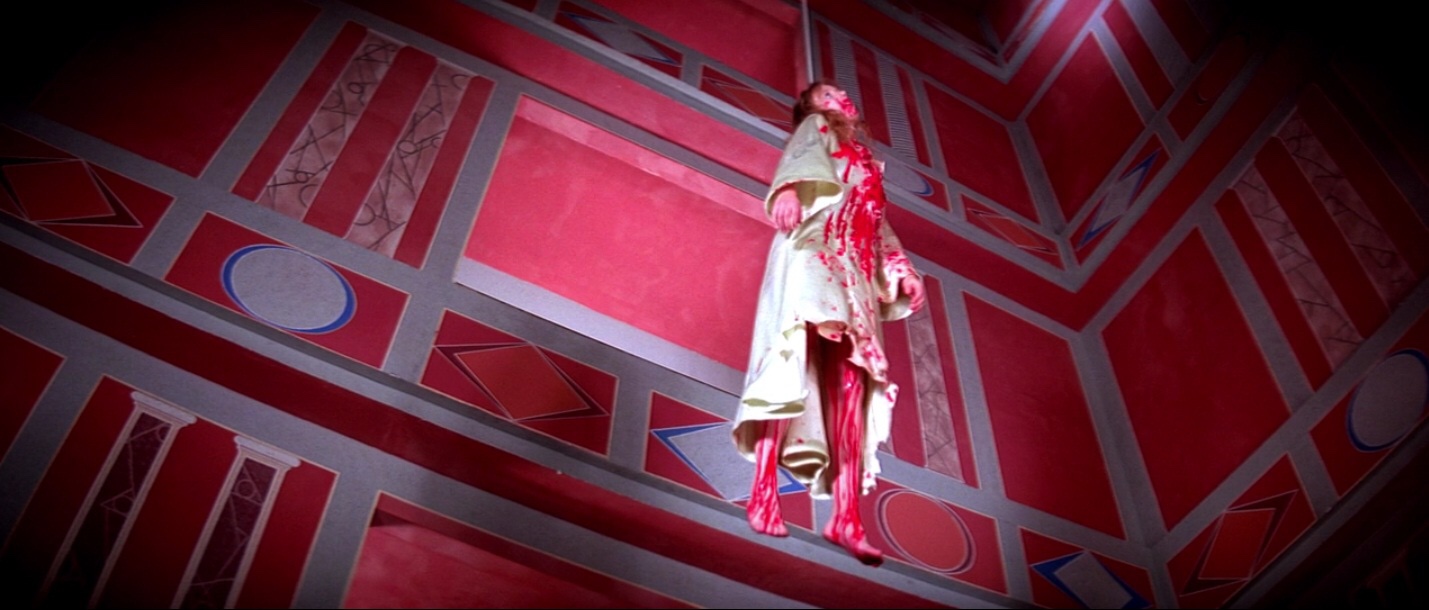
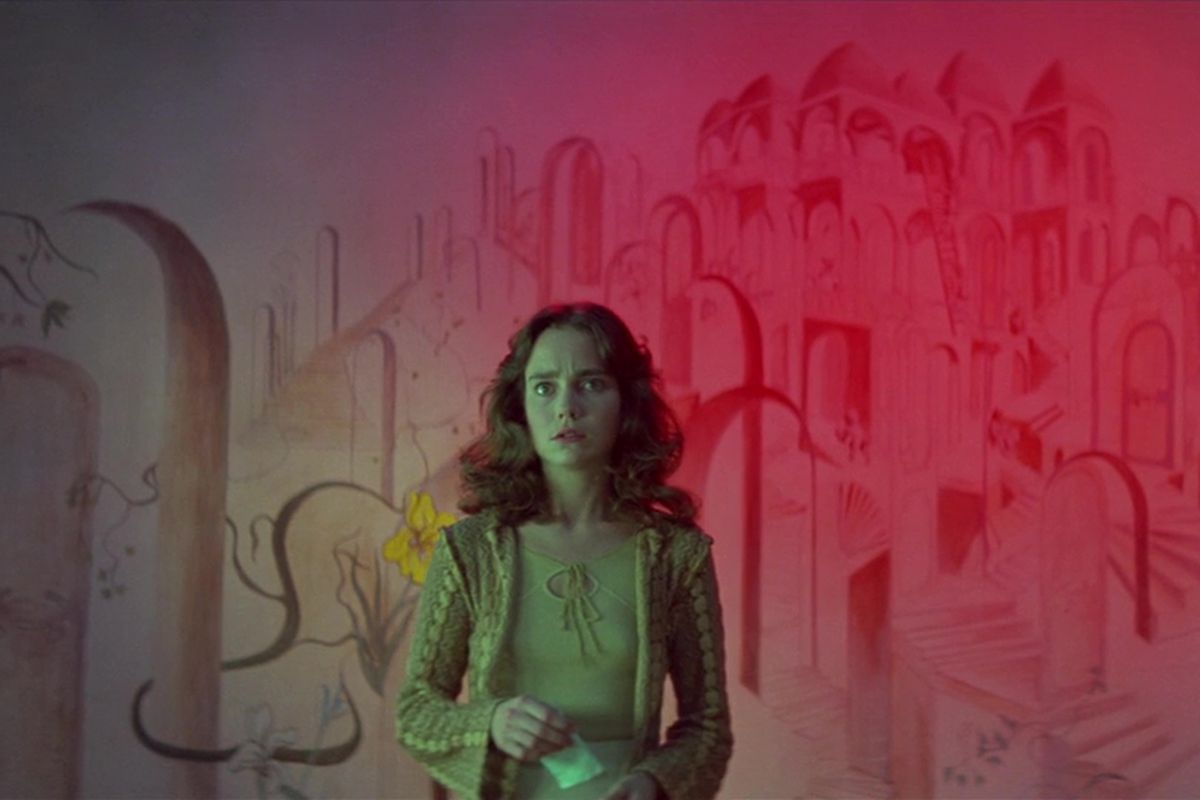
Without a doubt, the first thing that draws you into “Suspiria” is the color palette. The vibrancy of the colors that surround this movie is astounding. When you think of the horror genre, you don’t generally tend to picture bright any sort of brightness. You expect muted tones, dark and dreary hues that add to the suspenseful and unsettling ambiance of the film. Somehow Argento is able to take the use of primary color and turn death and horror into something beautiful to watch – this is the magic of Suspiria, and this technique makes it impossible to look away from the screen because no matter how gruesome the death, it’s always somehow shrouded by a veil of beauty. The concept of artistic horror is something that heightens the experience of this film, truly taking it beyond just another thriller and transforming it into a work of art.

Giusti divides the spaces in Suspiria by diving the color palette into three main categories: the magical, the daylight, and the monochrome.

"The first two categories are highlighted by the presence of a blue-red-yellow scale, sometimes alternated and sometimes all present in a single shot. While the magical spaces are the ones taking place at night, in which the supernatural is perceived by the medium of the IB stock, the daylight are the ones taking place during the day, although the presence of the supernatural is still evident. In this case, the co-existence of blue, red, and yellow is not identified by the IB stock, but by a diegetic use of colour palette through the architecture and the décor."

I found this article so interesting because it talks about how the setting and color palette aren’t simply there for aesthetics- they’re working on a whole other level, to reflect both bodily and mental states of being in the film. Argento himself has stated that the house where the story takes place is a living organism. The concept of both architecture and decor as being alive presents us with the idea of the building as a body of some kind, embodying the states of both body and mind that are based on bodily sensation. Thus, the environment as a whole is “endowed with bodily or organic characteristics.” I feel like this article is the one that spoke to me the most simply because I’m fascinated by the director’s approach and his desire to make the film work on so many levels. Nothing that is placed into this film is done so by accident. Everything works together to ensure that ultimately, the film is so much more than the sum of its parts. Having read this article, I look at “Suspiria” in an entirely new light and appreciate the complexity behind both the design and the vision.

"[The setting is] rendered through unrealistically distorted and exaggerated architectural shapes and through a series of curving, oblique, and rectilinear lines converging across an undefi ned expanse toward the background, for the expressionist purposes of reproducing the dreamlike atmosphere seen through the eyes of a madman20. As a result, these spaces achieve a dramatic status as they “do indeed seem to vibrate with an extraordinary spirituality”, creating the animation of the inorganic through bodily and mental projections."

Overall, I feel like “Suspiria” is worth the watch. I found it a little hard to follow, but I feel like it has to be approached the same way we found ourselves approaching Valerie – not for its cohesiveness, but for the experience we get by watching it. So unlike any other “horror” movie I’ve ever known, it’s an artistic medium all its own.

The Beauty of Suspiria

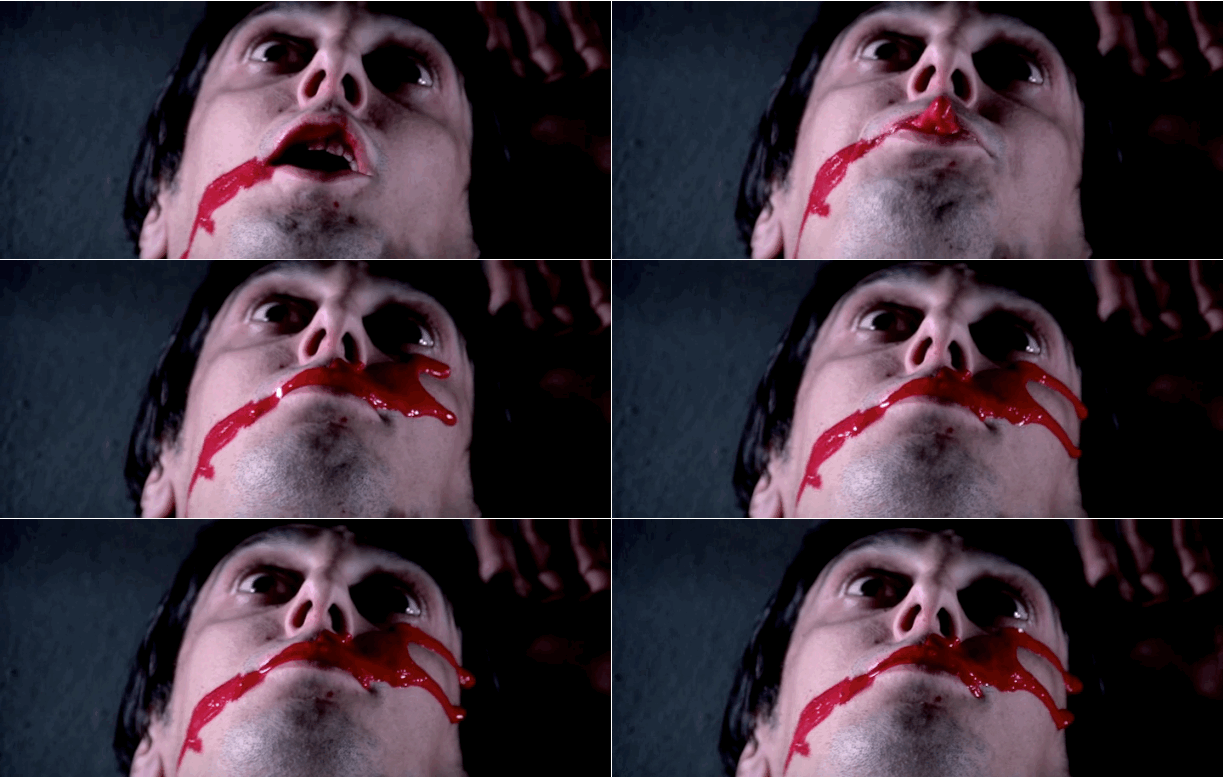
Going into this week I was very excited that our screening was Suspiria. I personally love horror movies but I had never seen an Italian horror movie until this week and Suspiria did not disappoint. Suspiria was definitely different than any horror film I have ever seen just because of its beauty. One thing that I think caught all our eyes was the color palette of the film and how they made the primary colors very vivid throughout the film. One thing that caught my eye was the blood especially. It almost looked like paint and was not like blood I had seen in other horror films due to the red being more vivid. It was said by Dario Argento that he wanted to make the movie something people could look at and not look away due to fear. I think he did great by bringing in a vibrant color palette because it made the film beautiful and very appealing to look at.

The one reading I want to talk about is A (Sadistic) Night at the Opera. I had the pleasure of presenting this reading and I really did love it. The reading specifically went into four types of things you would see in Italian horror. The first was horror as a “bad” object. What I found that described this best was it said “good horror movies don’t show much actual horror, but the bad ones do because they lack imagination, taste and restraint.” I think this was a great line because it went with Suspiria well. While Suspiria did show horror it had the imagination (the maggots for example or the dog attacking) making it pleasing to watch and not something you were yawning at 10 minutes in. The next was exploitation/ art cinema. This section described Argento’s works and how he was different with things such as camera angles keeping you on your toes. It also talked about the different film periods and genres they went through after the war and how Italian horror was almost more explicit. The next section was the gothic and the giallo. In this section it talked about how the switch in Italian horror was more centered around women compared to Britain at the time who was working more with male leads in their horror films. It said how the giallo centered around almost making women a fetish and Argento even said himself how he’d rather see a beautiful woman being murdered than an ugly woman or man. This goes into the last section on pornography/sadism/masochism. The flesh and murder can classify into these categories. Something they mentioned was when the knife entered the body and we could see the beating heart. This was something that could fall into these categories. All in all I thought this reading was very informative on Italian horror.

Lastly, I want to end on the presentations of films. I thought both presentations were great and I could personally relate to the presentation on Grease 2. I am a huge fan of Grease and grew up watching that and the second on repeat, even though I will never personally love Grease 2 as much as Grease. Nothing will compare to the first, in my opinion of course.

SuSpiRiA

BY SARAH BATY

This was the first horror movie that I actually liked! It was weird and witchy with a beautiful BEAUTIFUL aesthetic and I just dug itttt. We discussed how a good horror film makes you unable to avert your eyes which is something that I usually have no problem doing when watching horror films; however, I couldn’t look away from this film for a second because even the murders were pretty in a weird weird way.

www.gstatic.com/tv/thumb/v22vodart/8242/p8242_v...

In our reading titled Expressionist Use of Color Palette and Set Design, it discusses the aesthetic of the set and how the director, Dario Argento, used the set design to make the actresses appear smaller. It states that “the exaggerated ceiling-height and the vaulted doors of the interiors of the building constantly give the impression of dwarfing the actresses.” I noticed the high ceilings and the vaulted doors because they are the most obvious to see. To me it made everything seem big, daunting, and full of secrets. What I did not notice was the door handles. The door handles were placed higher than normal so it looks like it is told from a child’s point of view. This had to do with Argento’s original idea for the film. He wanted the set and story to be at a children’s school but after many arguments with his Italian distributor claiming that “children being chased through a school by evil witches” was highly inappropriate, they decided against the children’s school. By creating this kind of daunting and large type of set he was able to keep part of the original idea that he wanted. What I also found to be interesting was the big inspiration of nature and this appeal of symmetrical places. The interiors of the academy are “constantly punctuated by the mathematical alternation of both styles that rigorously identify the various areas and sometimes coexist within a single space.” The techniques that they adopted were to reproduce animal and natural shapes through architectural décor and to directly paint explicit or stylized anthropomorphic and organic features onto the wall.” The point of this was to create an ideal combination of artifice and nature.

Movie Lovers Review:The “Suspiria” Remake Adds a LOT To the Original

In our other reading Dario Argento’s Suspiria, it discusses visual strategies used throughout the film. A strategy that includes the camera picking apart “architecture in ways that resonate with killers picking apart bodies.” A connection that I didn’t really think about. The murders were all so elaborate and really focused on the gruesomeness of it all but so was all the long lingering shots of the architecture. It is also mentioned that because of the stunning imagery used throughout the film Suspiria was appears again and again on critics lists of the most frightening films of all time. I think the reading puts its really well when it states that Suspiria “leaves the reality of specific places behind” creating a fairy-tale like reality that is both colorful and gothic at the same time.

Suspiria-101

Suspiria (a.k.a the reason I will never look at the primary colors the same way ever again)

So I finally did it, I watched Dario Argento’s 1977 horror film Suspiria. Now you should know that I have been actively dodging this film for close to three years now. That is just based on the fact that I hate horror movies and this film has the reputation as a truly frighting one at that. I have had photography professors scribble the title of this film into my sketchbook telling me I had to watch it. I screened it at Critical Cinema, at the request of Kelise no less, but I just hit the play button and walked away for the night. If it wasn’t for this class I would still be actively running away from it today, but I didn’t I watched it.

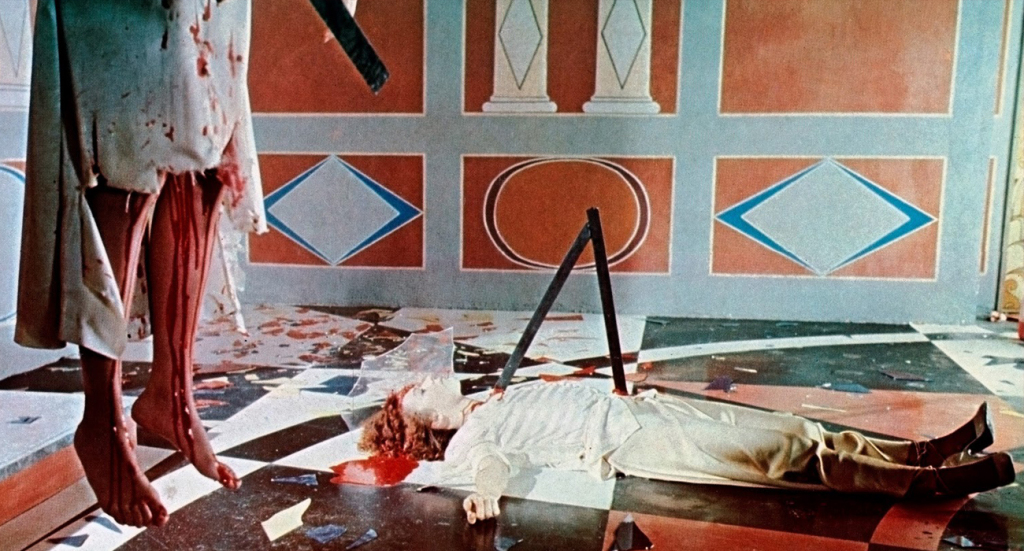
I tried to do it in a way that would take away all its power as a truly scary film. I watched it on a sunny day at eleven in the afternoon over lunch. Let me tell you that it didn’t work. After the first 15 minutes, and the most gruesome double murder of the whole film, I felt physically ill, I really regretted the idea of watching it over lunch and I wanted to quit, but I didn’t. I watched it and I got scared and I didn’t like it.

All that being said though I can understand why I was told to watch it by my previous professor and why this professor often mentioned choosing it and the readings for the art students. The colors were really amazing. It wasn’t until after reading the article Expressionist Use of Colour Palette and Set Design in Dario Argento’s Suspiria, that I had a truly deeper understanding of them and I totally understood what I had just witnessed a lot better. I found the film a little confusing at times but as the reading, Dario Argento’s Suspiria, so expertly explains the film is made up of inferences and without such the “scenes are just jumbles of [confusing] weird music and quick cuts.” These inferences described became 100% clearer in the breakdown of the three color categories Argento uses explained in the Expressionist Use of Colour reading:

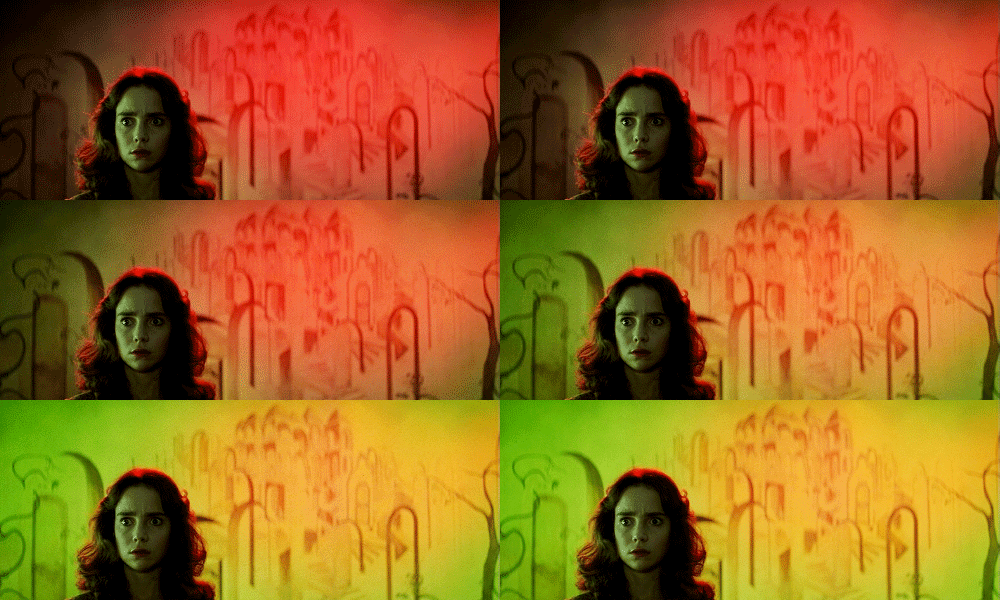
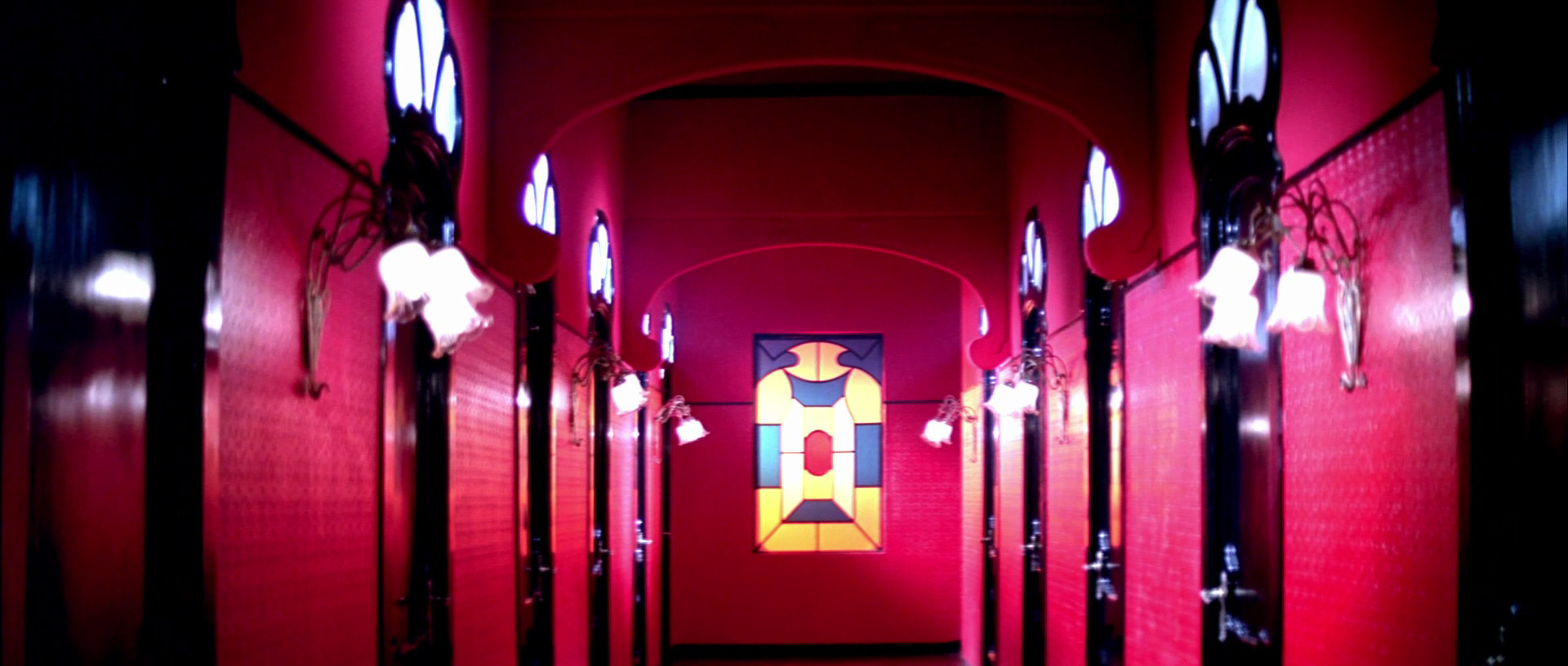
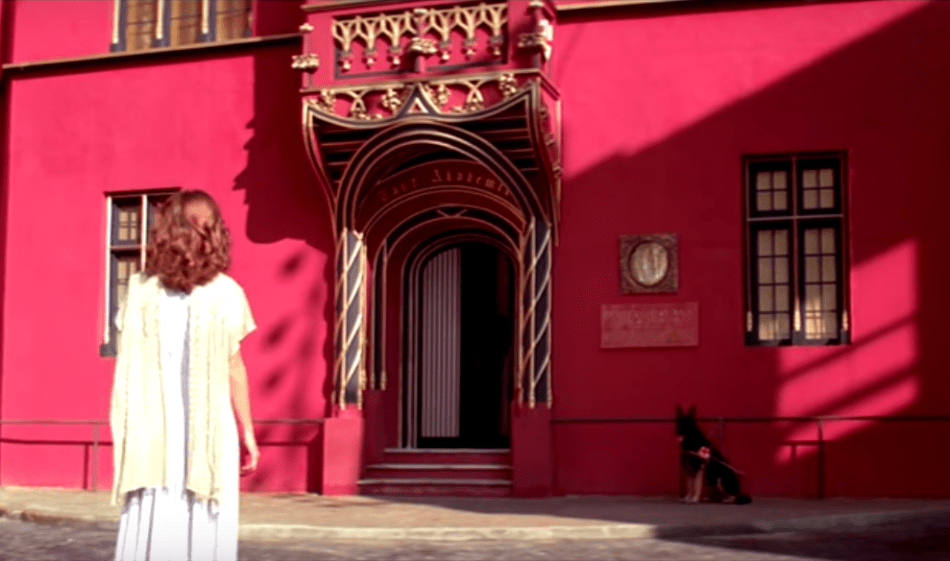
The first category, the magical is the night time where the dark and sinister primary colors are saturated across the characters and scenery and the presence of witches is inferred as apparent.

The Magical

The second category is the day light where its lighter and less ominous but the primary colors are still obvious but not overpowering letting you know that the witches are still around.

The Daytime

Then last category which I found to be the most effective was that of the monochrome in places such as the convention center, inside Helga’s apartment and even the inside of the airport where the primary colors aren’t the primary focus and the viewer can almost relax for a half a second knowing they are safe from the super natural.

The Monochrome

Overall it was a visually beautiful film that I won’t ever watch again.

Lastly, I just wanted to touch on Jaylin’s presentation of Wet Hot American Summer. I had to step away from the computer briefly on Wednesday so I didn’t get to say this during the questions and comments portion at the end but that is one of my all time favorite movies and I think she did a great job at presenting it. I am not however a huge fan of the prequels and sequels as I think they kind of lose the naive charm of original. I will add my favorite of the series, maybe even more than the original movie, is the behind the scenes documentary Hurricane of Fun, The Making of Wet Hot. If you haven’t seen it I highly recommend as its just as fun as the original movie and it feels like you are just hanging on set with cast. It is definitely a documentary you can watch more than once.

*Blog Update* I want to apologize for up-selling Hurricane of Fun, The Making of Wet Hot after just trying to find it for myself it is no where to be found on the internet.

the LIVING DEAD!

This week me and my squad watched Suspiria during our first ever pandemic and it helped us dissociate from reality with its technicolor german expressionism and sick prog rock score. I had seen the film only once in high school and was too scared to turn the volume higher than 10, so I had entirely missed the musical component for years! This film was considered an “essential” for art students at my school because of it’s stunning visuals, and opened a treasure chest of european films for me that seemed to follow no cinematic basis that I had ever seen before. It actually lead to me seeing Valerie’s Week of Wonders coincidentally. The concept of foreign horror films were so focused on the experimental visual-centric scenes in a completely different way than American made films, and lead to me discovering another of my favorite genres, Italian spaghetti westerns!! I digress, let’s talk about witches. 

From the very first shot right up until the closing credits, it’s brilliant visuals will take your breath away. Though he was working on a tiny budget, Argento uses colour and light with such precision. His vivid reds and searing whites contrast with sussurating blues and edgy greens; when we are watching a blind character walking alone, everything slips into luscious shades of grey. Those who doubt the artistic potential of the horror genre should be nailed down and made to watch it.

suspiria1977_red1.0.jpg

them hues tho

Argento further develops the film’s dreamlike nature by utilizing, as Peter Sobczynski, a film analyzer, calls it

a truly go-for-baroque approach that takes all of the stylistic tricks at his disposal and pushes them to their limits and beyond. One of his key collaborators is cinematographer Luciano Tovoli, whose previous efforts, such as Michelangelo Antonioni’s “The Passenger” (1975), were marked by a down-to-earth realism. In “Suspiria,” he went as far in the other direction as possible. In this film’s unearthly visual scheme, mirrors, filters, enormous arc lights and offbeat colors are accentuated by Technicolor’s famous three-color dye transfer process.”

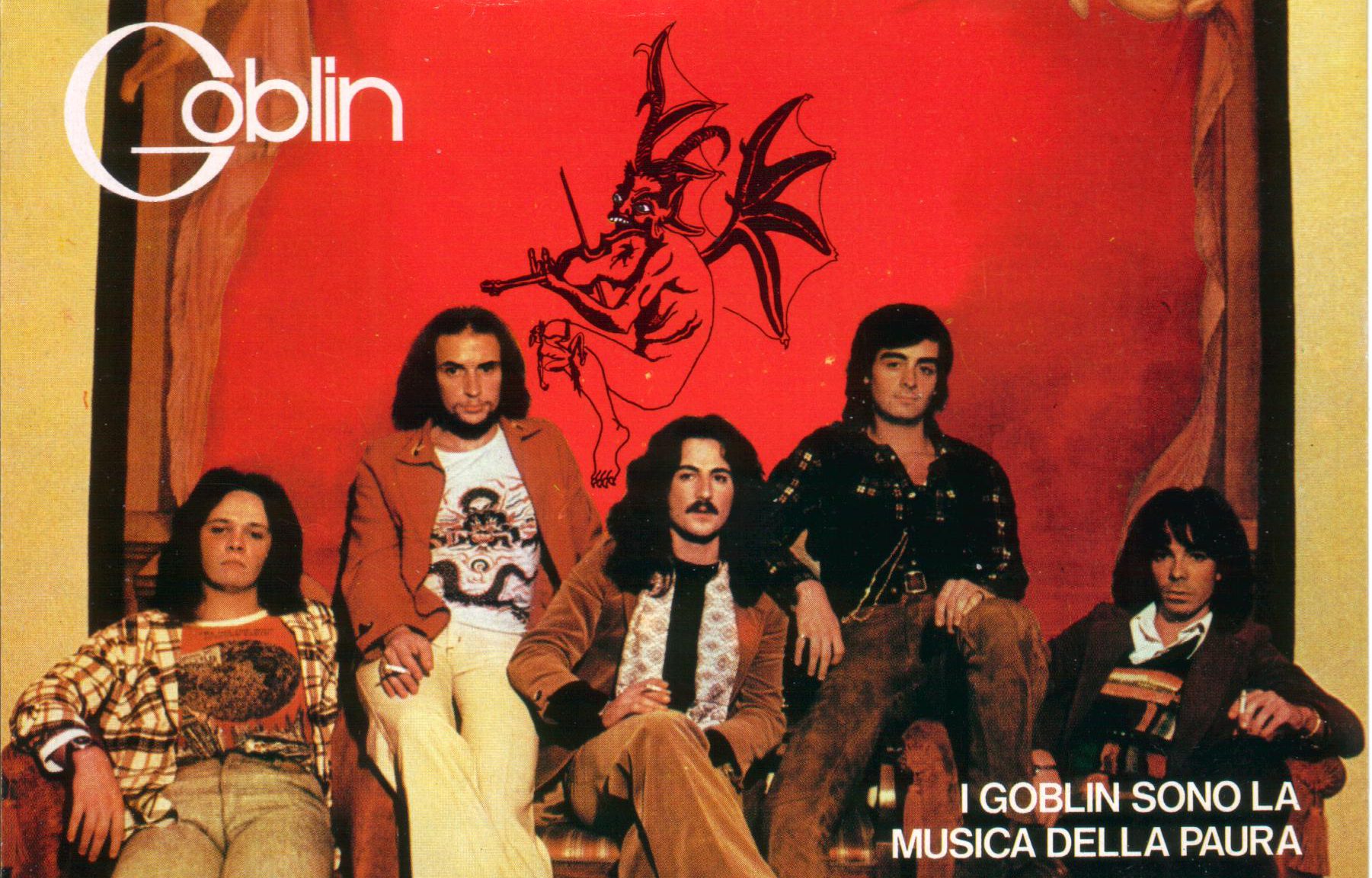
The vivid hues combine with a constantly moving camera to create one of the most distinct-looking films of any genre to emerge during this period. Adding to the surreal atmosphere is the thrilling score composed and performed by prog-rock group Goblin, who created rough versions of their music for Argento to play on the set while shooting scenes in which they would be featured. 

goblin2-e1465409152320.jpg

5 goblins 3 cigs

Argento’s visuals work in perfect harmony with the soundtrack he helped Goblins to compose, full of complex shifting melodies which play on the subconscious, adding to the sensation of lurking danger. The film is set in a ballet academy where young American Suzy Bannion (expertly played by Jessica Harper – cult queen and adoptee of Jim Sharman) begins to suspect that something is amiss. Fellow students are going missing and there are rumours of witchcraft. As she begins to investigate, Argento increases the tension almost unbearably. We also read that the film is almost entirely redubbed, making the audio just a bit off-putting and spooky as the characters mime the words that seem just slightly out of sync. In our reading by Andrew Cooper, he writes about the invisible power of the witches carried out throughout the film, displayed very subtly. Small things – a bat in a closet, the aggressive techniques of the teachers, the cliquishness of some of the other girls – build up into a tremendous sense of oppression, and real fear is not far behind.

tumblr_pza0qjK88i1r7dlj4o3_1280.jpg

lol

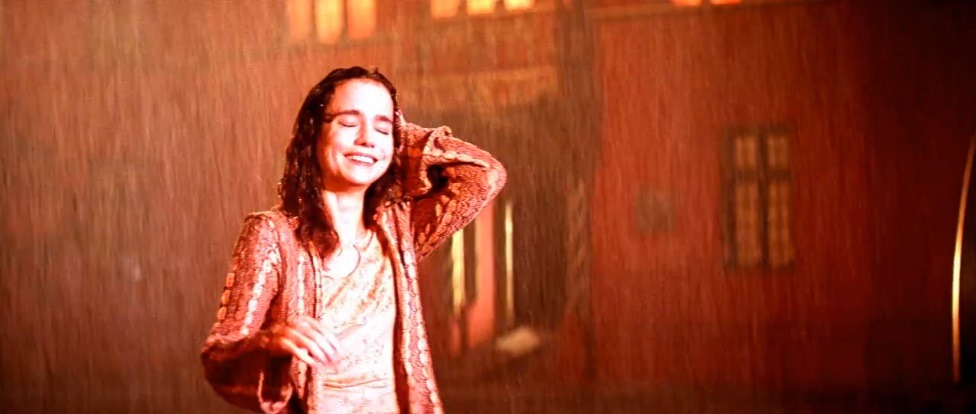
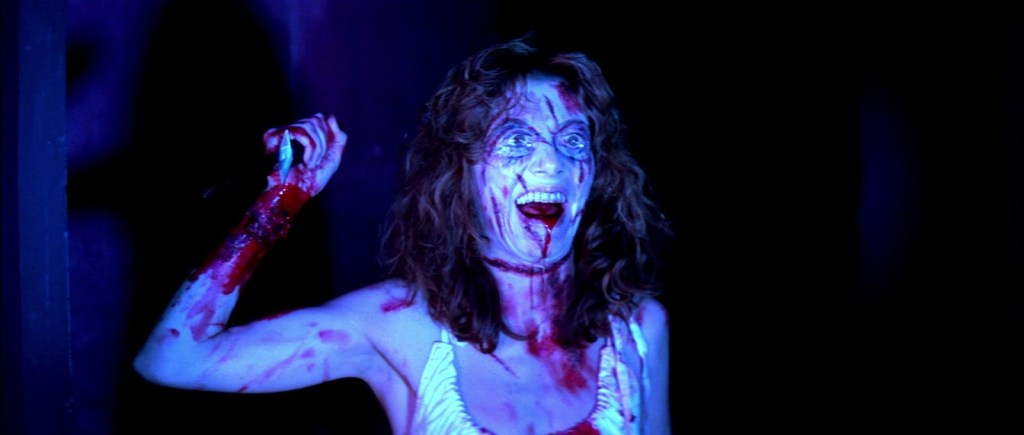
ALSO I love that this movie shows an early example of one of my favorite horror tropes, women laughing in the face of evil. It is later revisited in the final scenes of two of my favorite female-centric horrors – The VVitch and Midsommar. It is an excellent shot that encapsulates cathartic female rage and liberation.

You can always count on italians for some gaudy, fleshy gore to help you get through a stay-home order, and might I add that the fluffy hairstyles made the horror all the more bouncy and dramatic. I’m glad we can still continue this class online, and I can’t wait for our next viewing. I know it’s stereotypical but I probably watched Dazed and Confused upwards of 50 times in high school, and I don’t doubt it will cheer everyone up this next week.

Sobczynski, P. (n.d.). “Do You Know Anything About Witches?”: “Suspiria” at 40. Retrieved from https://www.rogerebert.com/balder-and-dash/do-you-know-anything-about-witches-suspiria-at-40

Suspiria and German Expressionism: Things are about to Get Witchy

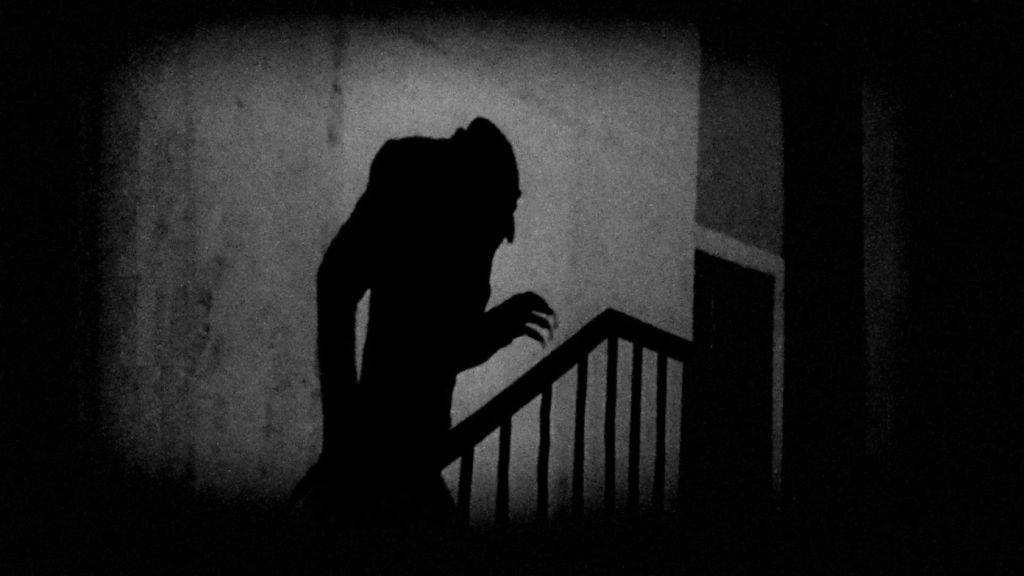
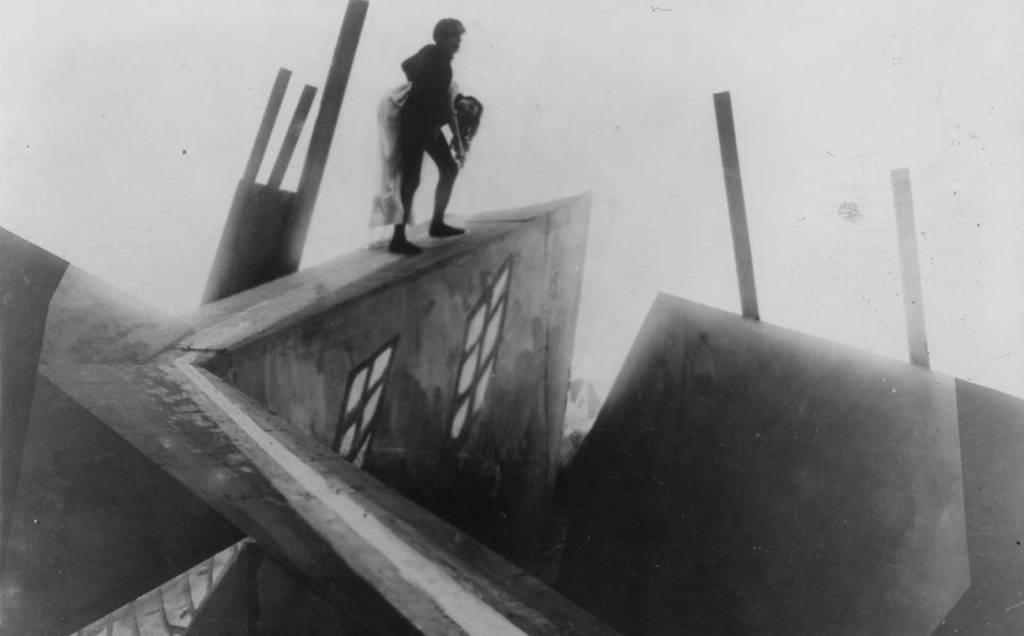
Throughout this course, we have watched several cult horror films such as Carnival of Souls, and Valeries’s Week of Wonders. However, Suspiria sets itself apart from even these cult classics in one, simple way—style. I remember going over German Expressionism in History of Film, especially our conversations about Nosferatu. German Expressionism was (or is) all about telling a story through surreal visuals. Use of mirrors, shadows, mise en scence, and tilted camera angles are all techniques associated with German Expressionism. Suspiria combines these perfected techniques with a bizarre plot and chilling sound track to give us the first of Dario Argento’s jalo films.

Here’s a really great video that breaks down Suspiria, celebrating it’s 40 year release.

Suspiria was influenced by the visual tropes of German Expressionism, such as Robert Wiene’s The Cabinet of Dr Caliga and Friedrich W. Murnau’s Nosferatu. Our reading of “Expressionist Use of Colour Palette and Set Design in Dario Argento’s Suspiria (1977)” states:

              “…one peculiarity of these films is that some of the visual qualities of cinematography and mise-en-scène, such as the manipulation of the film stock, the stark contrasts of light and shadow, and the totally artificial and stylized sets, interact graphically to create an overall composition with the characters’ states of the body and the soul.”

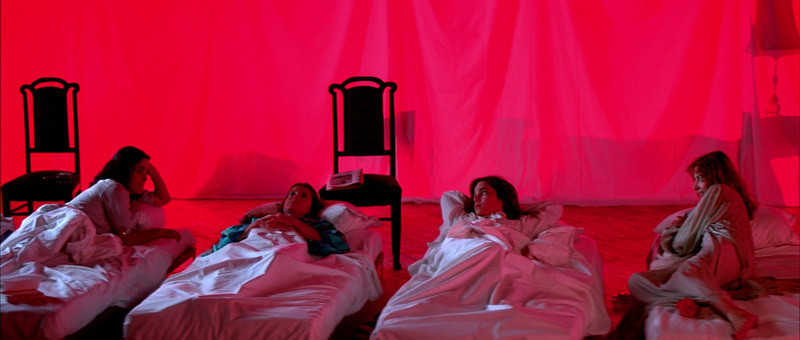
              The style of German Expressionism used camera angles and distorted shots to visually ‘place’ viewers into the state of mind of the characters on screen. My favorite example of this technique in Suspiria is when Suzy’s friend, Sara, is killed. Once Sara fails to wake Suzy from her drugged sleep, the room turns an eerie mix of black and green. Then the score kicks in, queuing the views in that something ‘witchy’ is about to happen. This scene also show cases the Argento’s use of yellow-red-blue color mixtures. From the red corridors of the schools dorm rooms to the bright blue and yellow walls of the secret hallway, the film uses of these collars to indicate supernatural events. One thing that fascinated me while watch Suspiria was how the scenes ‘shined’ in the dark. Apparently, with was a Technicolor technique. To quote again from “Expressionist Use of Colour Palette and Set Design in Dario Argento’s Suspiria (1977)”:

A nice refresher video defining German Expressionism. I highly recommend this channel.

              “…for the surrounding background, Tovoli (Cinematographer) managed to bounce the light onto a mirror with the result of sharpening the images more than if they were directly illuminated. The negative print of the film was subsequently given to Technicolor who split the colour negative into three separate black and white negatives, one for red, one for blue, and one for green. Technicolor printed one colour on top of the others to give the film a shimmering look. The final result emphasizes a deliberately unrealistic setting that is much more vivid in colour definition than emulsion-based release print.”

Enjoy the soundtrack as you read the blog!

              What I personally found most interesting about Suspiria, besides the visuals, was the plot. Co-written by Daria Nicoldi, Suspiria was inspired by the stories Nicoldi’s grandmother. While studying piano at the age of fifteen, Nicoldi’s grandmother discover that the school she was enrolled in had a strong fascination with black magic and the occult. Imagine growing up with that bed time story. Another thing that I found fascinating about Suspiria was the voice over, or lack there of. Was the film originally shot in Italian, or English? Because I could not tell. There where times when the ‘dubbed’ matched up with the actor’s lips perfectly, but other times were I was sure the movie was being dubbed over. There were definitely times when I had to look away while watching this movie. The first murder of Pat, with the close up of stabbing the heart, made a bit queasy if I’m being honest. And yet, that music! I need more Goblins music in my life. Every time that score came on, paired with the surreal shot cinematography, I felt like I was moving from the real world to the dark and magical. Which, was what Argento was going for. I don’t like horror. Ever. But I would watch Suspiria all over again just to experience that awesome score again.

This so gross I just had to add it.