The Armies of the Night

“These are the Armies of the Night. They are 100,000 strong. They outnumber the cops five to one. They could run New York City.“
The outrage and fear upon the film’s release described in this week’s reading on The Warrior‘s really helped me to understand the need for theaters that were willing to screen what others deemed controversial. Walter Hill’s 1979 cult classic, The Warriors, was initially met with negative reactions and branded an “inciteful film.” When you stop to think about the fact that today it has attained a massive cult following, you realize that that wouldn’t have been possible if not for theaters, like the Rialto, that were home to a sort of hodgepodge of people all searching for exactly what the mainstream cinemas tried to conceal.
I found this week’s reading about the Rialto interesting, particularly the descriptions of the types of people in attendance. The negative connotations that come to mind when we think of exploitation films make it easy to assume that that the audiences would somehow reflect the gritty themes that are typically explored in this genre. This week’s reading, “Horror at the Crossroads: Class, Gender, and Taste at the Rialto” reminds us that the people who sought out these movies were perfectly average. In fact, it paints 42nd street as a sort of safe-haven not just for an emerging gay subculture, but for anyone who was looking to explore life beyond societal norms.
"While some accounts present the Rialto as a “lurid place” and its audience as largely
working class, it clearly attracted many members of the middle classes, although the cinema was not simply composed of Harvard-educated entrepreneurs or avant-garde critics either. Indeed, the character of the cinema and its audience owed much to its location in Times Square, which during the 1930s and 1940s was the cultural equivalent of a “primordial soup,” an environment in which radically different social groups converged and collided, and out of which a variety of cultural forms and practices would emerge—the postwar gay subculture, the Beats, the cult movie audience, and the postwar art-cinema scene—cultural forms and practices that were often intimately connected with one another."
I found this video interesting because it has actual footage with commentary on the theaters of 42nd street. I feel that this video really reaffirms the idea that these theaters served more of a purpose than to exploit censored topics – it was a hub for social activity. The hook was the idea of “adult theaters” but people went there for the experience just as much as they went for the subject matter.
This second video is in here because I really enjoyed seeing the contrast between 42nd street then, and 42nd street now.
As for The Warriors itself, it was by far my favorite screening this semester. I went into class unsure of how I’d feel at the end of the night, but the film surpassed any and all expectations I had. The plot wasn’t quite like anything I’d seen before, and I found myself drawn into the story of this ragtag group from the very beginning. As tensions grew in the movie, I found myself actually engaging and trying to figure out what would happen next. The film was full of action, suspense, humor, and badassery – and one of the best parts about it is the fact that you don’t have to be a cult enthusiast in order to appreciate it. I would definitely recommend the film to anyone who hasn’t seen it (and I already have).
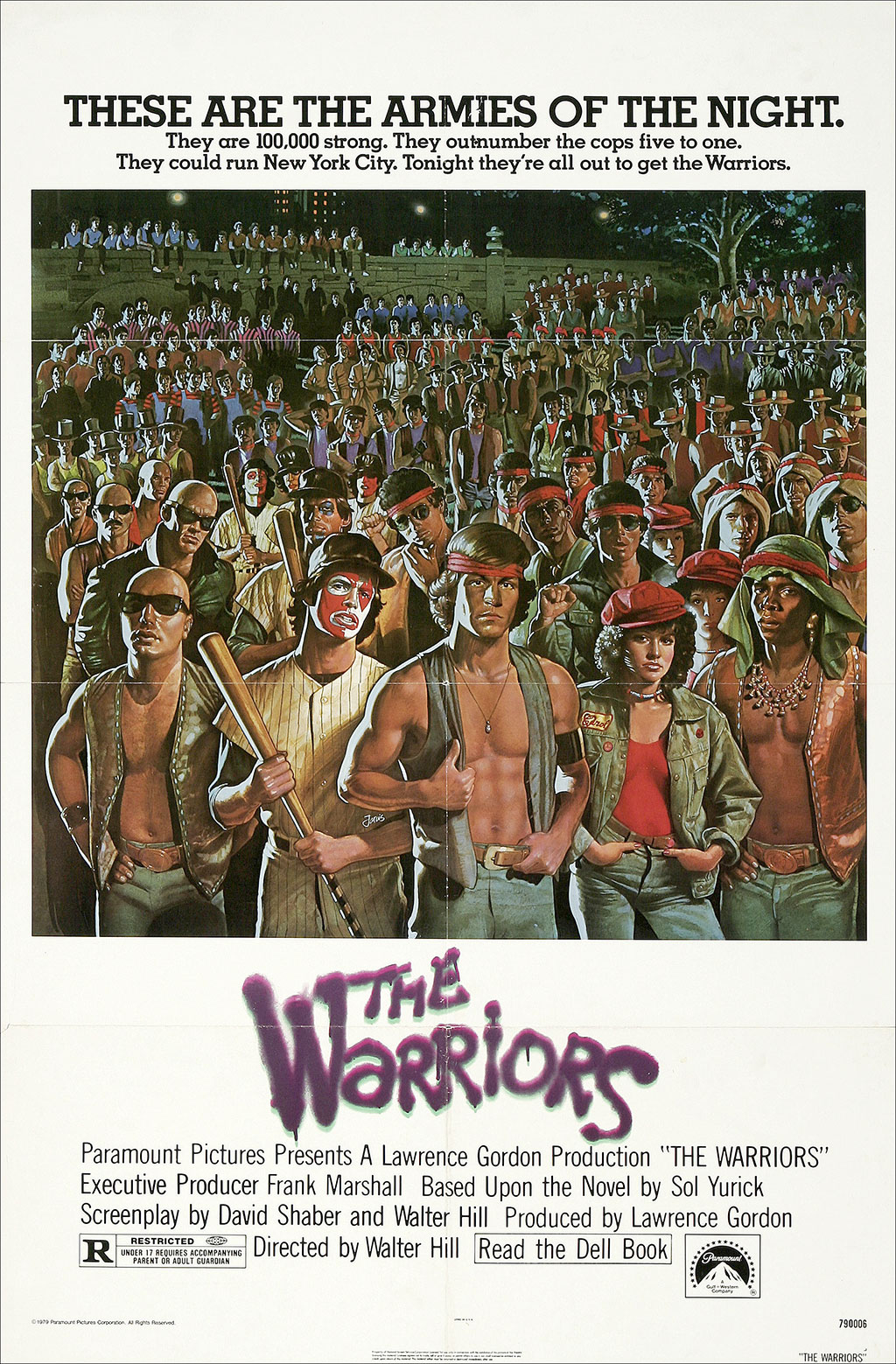

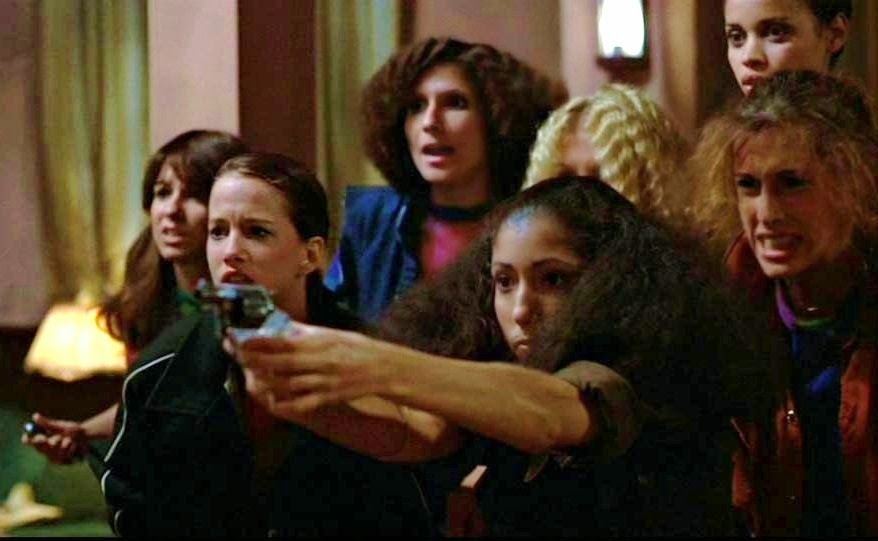
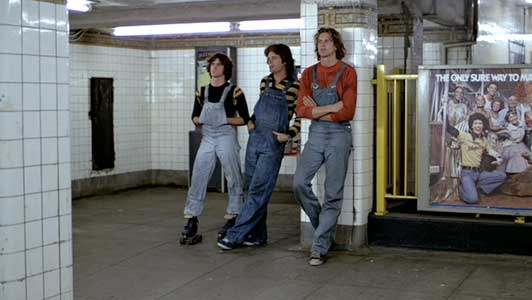
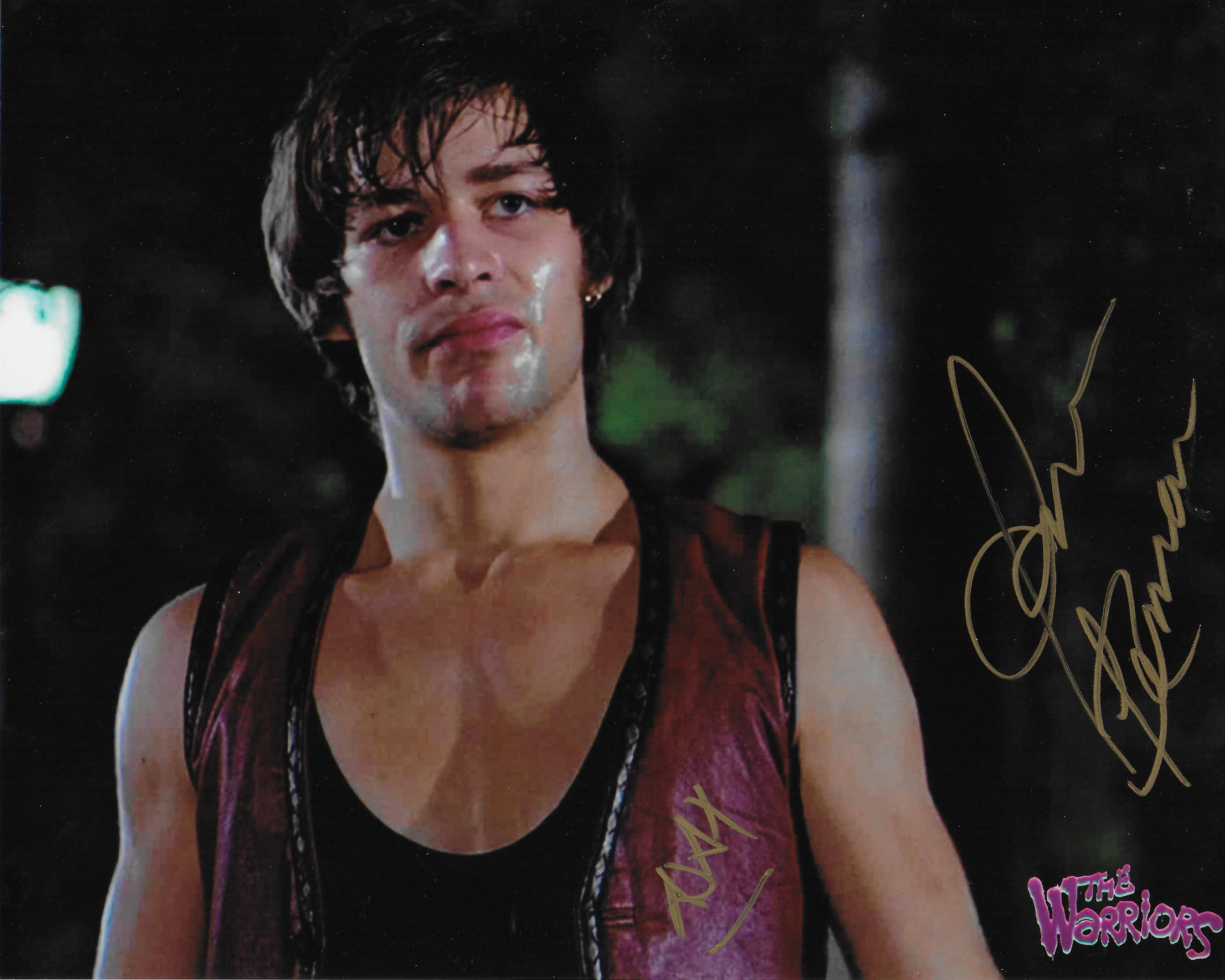
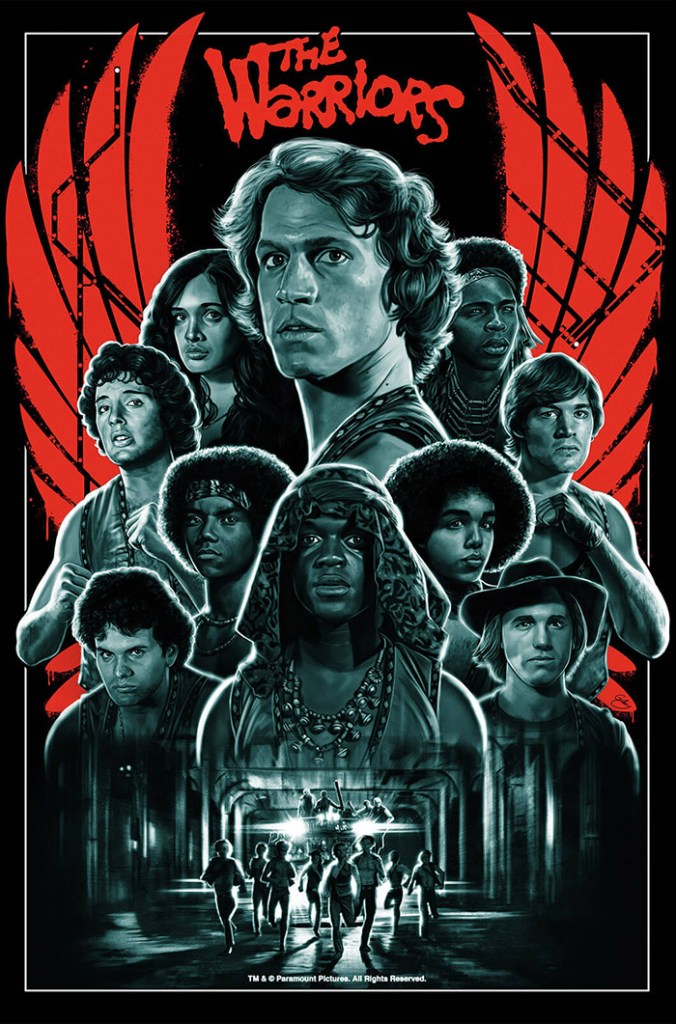


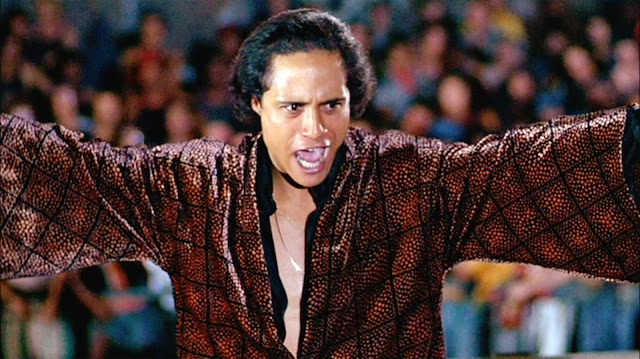
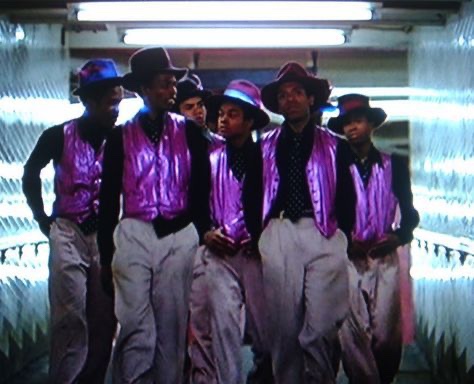
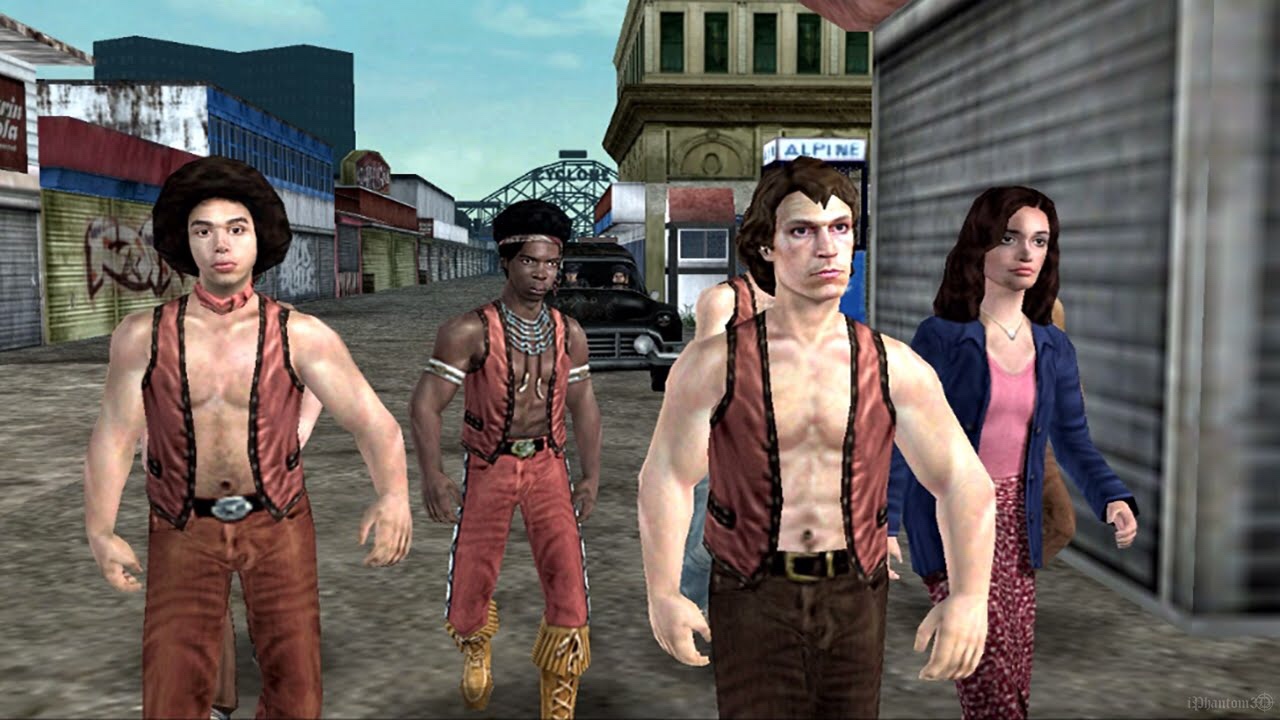
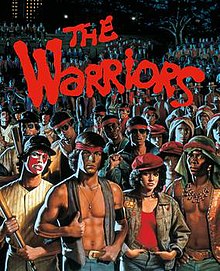


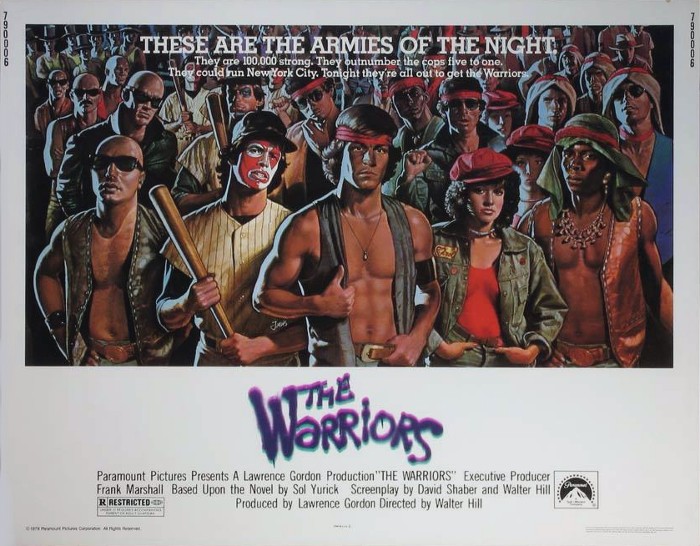 This week in our film class, we learned about and discussed fandoms in our reading of “The Cultural Economy” by John Fiske. We learned about the importance of the support of fans and how fans make up necessary communities in the world of cult films. Our Screening of the week, The warriors, is a 1979 American action film directed by Walter Hill, based on Sol Yurick’s 1965 novel of the same name. This movie is one that flourished through its fandom, from the late night showings to the success of video games and things of the like, the fans of this film allowed it to gain its cult movie title.
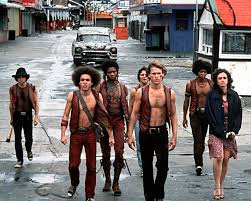
 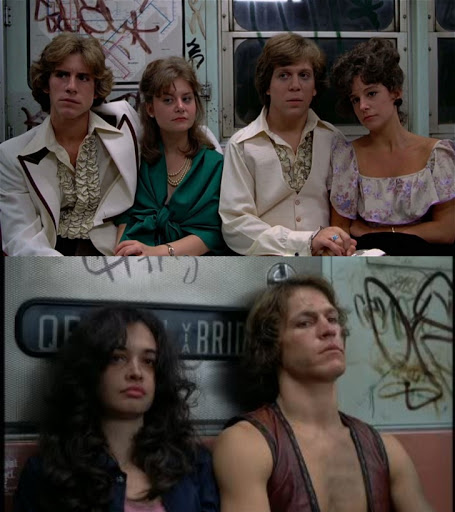 Luther, played by David Patrick Kelly, leader of the Rogues, shoots Cyrus dead just as the police arrive and raid the summit. In the chaos, Luther frames the Warriors’ leader Cleon, played by Dorsey Wright, for the murder, and Cleon is beaten down and apparently killed by the Riffs. Meanwhile, the other Warriors escape, unaware that they have been implicated in Cyrus’ murder. The Riffs put out a hit on the Warriors through a radio DJ. Swan, the Warriors’ “war chief”, takes charge of the group as they try to make it back home. The rest of the film watches the gang and their encounters on their journey home. They come in contact with several gangs who are targeting them as they think the Warriors are responsible for the death of Cyrus. They fight off gangs and policemen throughout the film making it action packed and exciting. They meet a girl along the way, (because-of course there has to be a girl dressed in skimpy pink clothes following around a gang of muscly men through New York City in the middle of the night, begging for one of them to pursue her) Mercy, Played by
 rating and participating theaters.
 Cult Movies