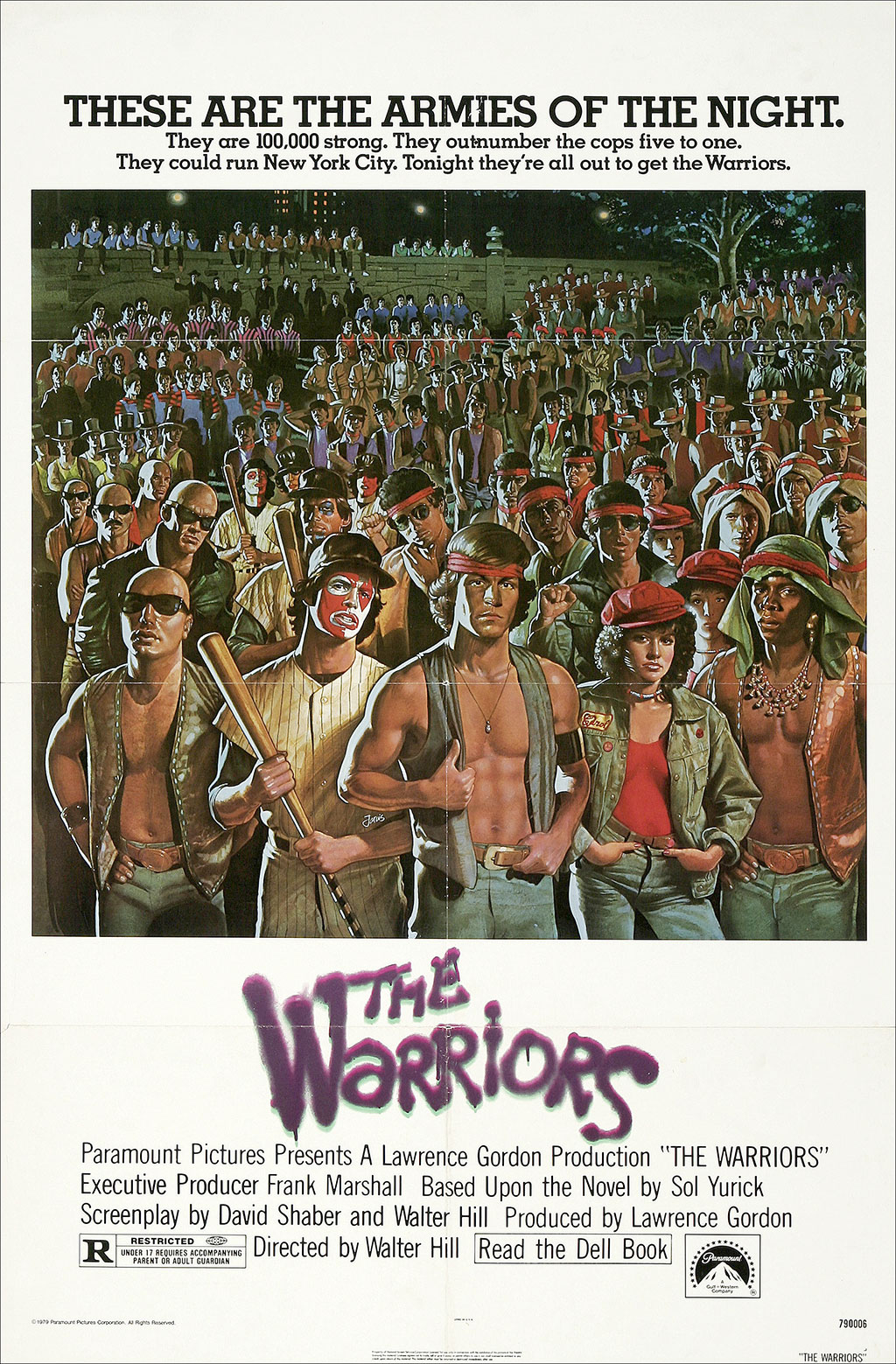
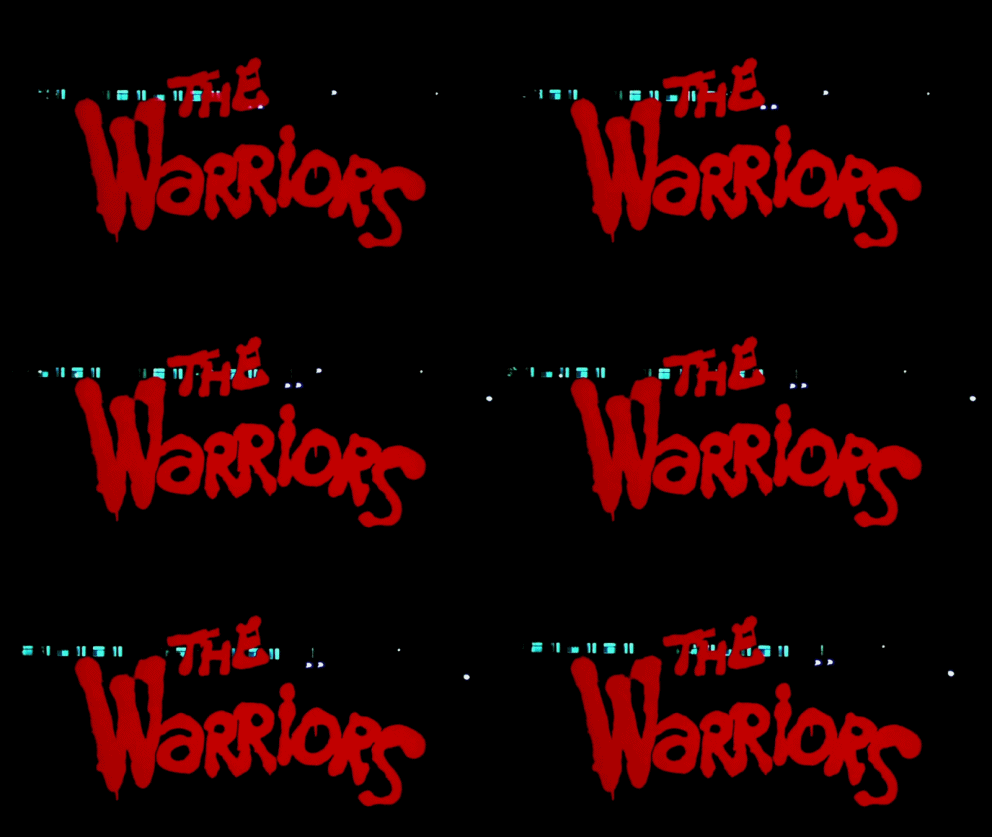
I would like to dedicate my blogpost this week entirely to The Warriors (1979) because I haven’t felt this way about a film in a very long time. Although I was excited about the screening, considering the fact that I had never watched it, The Warriors exceeded all of my expectations. From the very first opening scene, I was completely engrossed in the film. It was an orgy of violence, vinyl and anarchy, and I loved it.
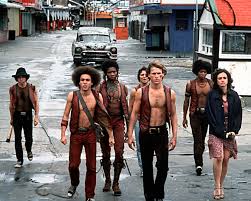
With its stylin’ opening image, artful and highly-stylized shots, staggering costumes and a KILLER soundtrack to accompany it, the opening scene of The Warriors set the tone for what was both a powerful and extremely satisfying film. Not to mention the eccentric costumes of all the gangs.
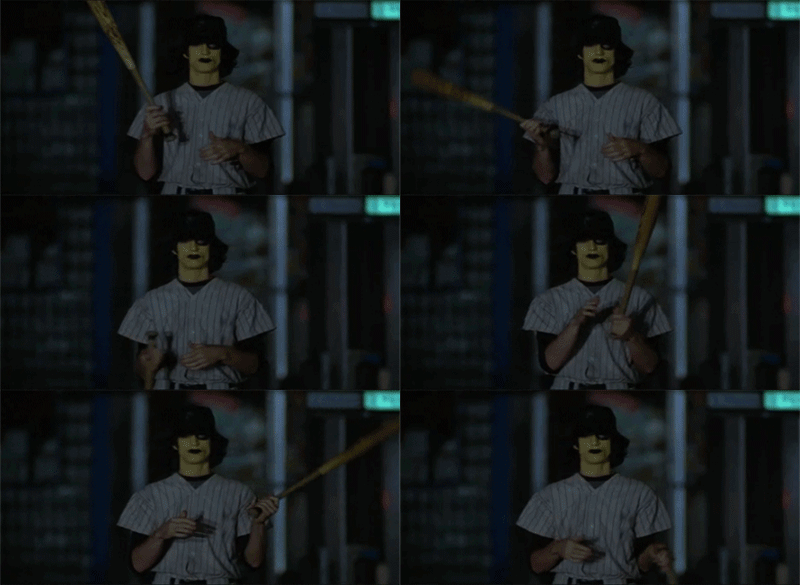
The film already had a strong comic book feel to it–the characters looked perfectly picked from comics, and the fight scenes were perfectly choreographed. The DJ scenes had a very familiar comic book feel to them, and the lighting of those shots complimented that style perfectly. The comic book style transitions added to feel of it all, the cherry on top of the cake. Here are two of my favorite scenes from the film, accompanied by great songs I’ve been bumping all week.
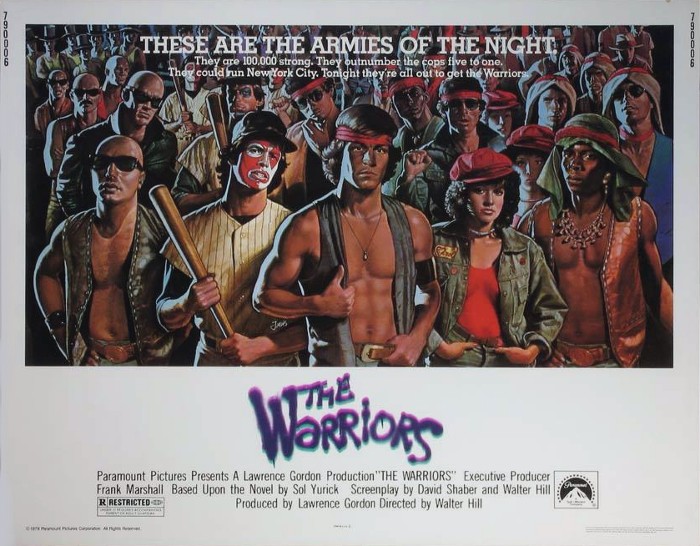
The film was shot almost entirely on location in the streets, subway stations and trains of New York City–except for the iconic fight scene. Upon release, the film had already gained a fanbase, and some controversy surrounding the marketing of the film. Posters that were plastered over the city read, “These are the armies of the night. They are 100,000 strong. They outnumber the cops five to one. They could run New York City. Tonight they’re all out to get the Warriors,” caused some unease amongst citizens of New York were soon removed.
The Warriors, although set in the near-future (I love it when films are set in the near-future), portrayed something very true about Coney Island, and the five boroughs. In the ’70s, when Coney Island’s first low-income housing complex was built (Carey Gardens), there were gangs that ruled nearly every neighborhood in New York. When The Warriors was released in 1979, an atmosphere of danger was already hanging over the city.
Since its initial release in 1979, The Warriors‘s cult following has grown largely, and keeps growing. It was a film that, with a budget of $4,000,000, relied on the quality of the story (loosely based on Sol Yurick’s 1965 novel of the same name), the power of the images, and the audience that watched it to gain notoriety. To this day, fans still organize meetups and events, the cast even met up a few years ago for a “last subway ride.”
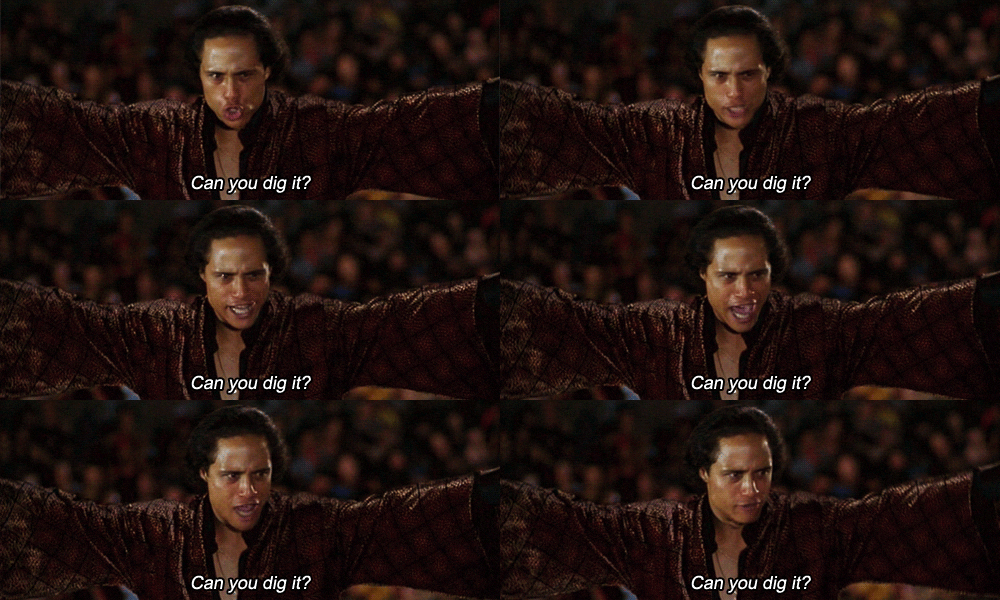
It remains and extremely quotable film, with lines like:
“Can you dig it?”
Cyrus
“I’ll shove that bat up your ass and turn you into a popsicle.”
Ajax (My favorite Warrior, I’m a fan of James Remar.)
“Fuckin’ A!”
Ajax
“Warriooooors! Come out to play-ay!”
Luther
As you can probably tell, this has been my favorite screening in class thus far. I’ve been listening to the soundtrack all week, won’t stop quoting it, and have already rewatched it. A great film, that will stick with me for a while.






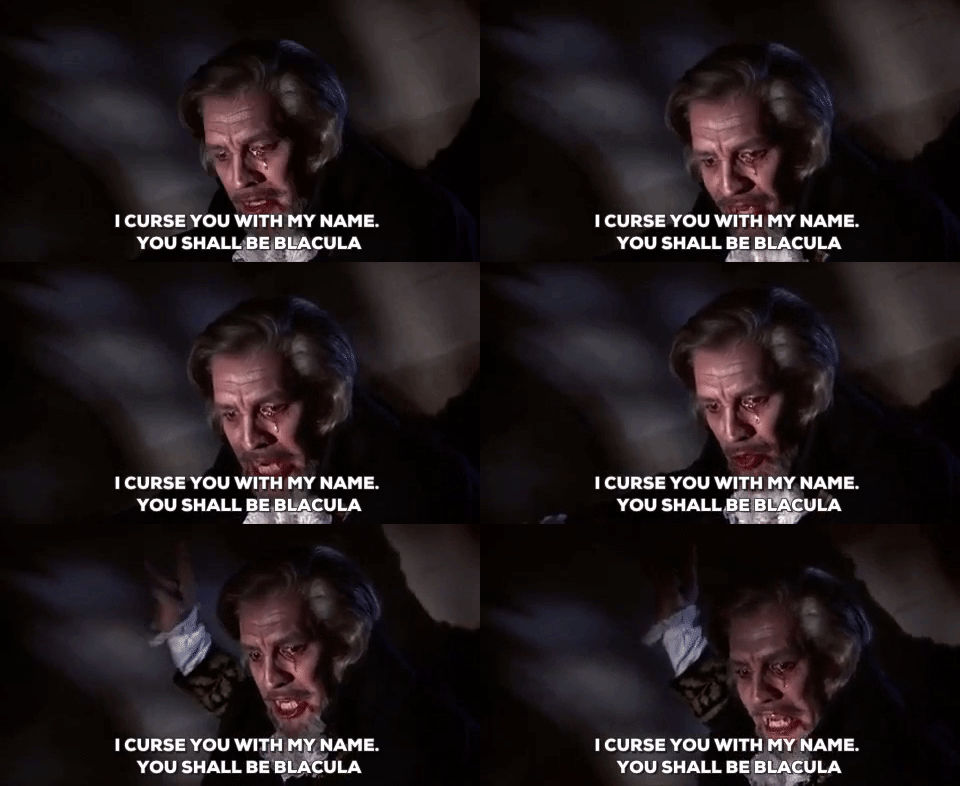
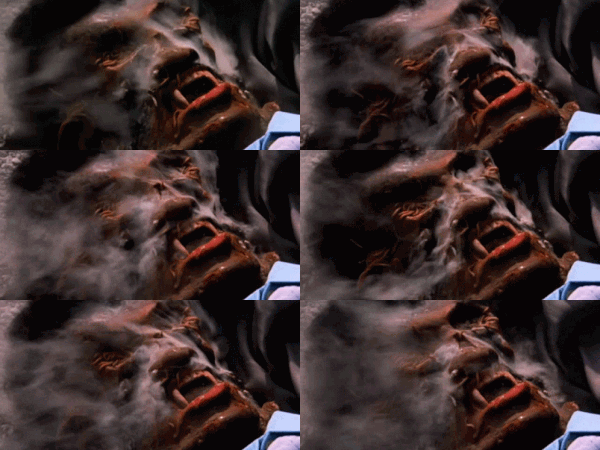
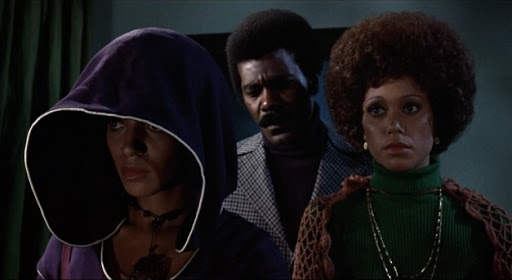
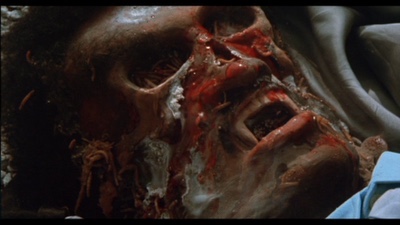
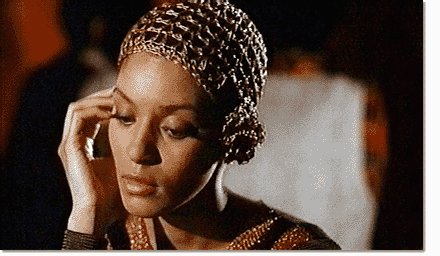
 Blacula is a 1972 American blaxploitation horror film which was directed by William Crain, who is named as one of the first black filmmakers from a major film school to achieve commercial success. Blacula stars William Marshall who plays the main role in the film as an 18th century African Prince named Mamuwalde. It also stars Denise Nicholas, Vonetta McGee, Gordon Pinsent, and Thalmus Rasulala. In the film, Mamuwalde is turned into a vampire after he is bitten by the one and only Dracula himself, and is locked in a coffin in Dracula’s castle in Transylvania in 1970 after Mamuwalde asked for help with supression of the slave trade, and Dracula refused. Luva, Mamuwalde’s wife (played by Vonetta McGee) is also imprisoned and left to die in the room with her husband. The film then fast forwards to the present day world where Mamuwalde is released from his coffin into the world as a vampire. He meets a woman who is identical to his past wife and falls in love with her. The film follows his experience as a crazed bloodsucking killer who attempts to keep the woman he is in love with while also fixing his cravings by turning the people around them into vampires. Blacula received mixed reviews after its release, however, it turned out to be one of the top grossing films of the year. It was followed by its sequel, Scream Blacula, Scream in 1973, and inspired a wave of blaxploitation themed horror films.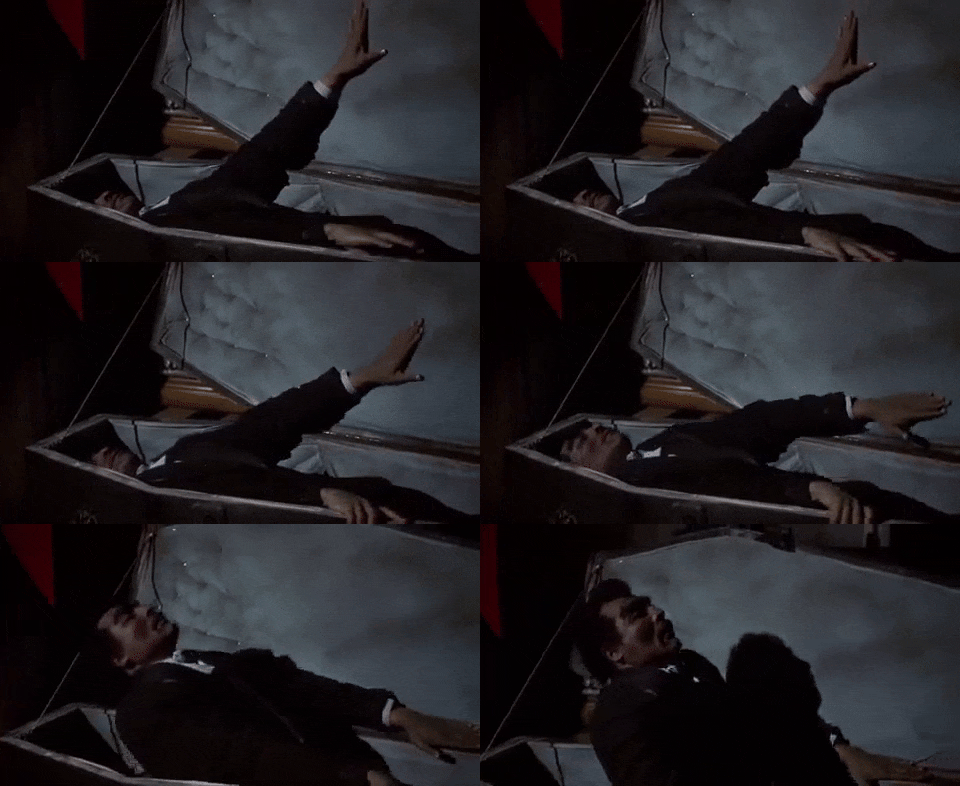


 Cult Movies