This week’s screening of Blacula was a horror film I can say I enjoyed! There were some parts that genuinely freaked me out. Despite being made with a small budget Blacula has a lot of good quality fight scenes and jump scare scenes.

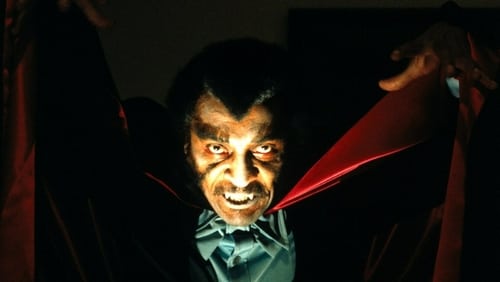
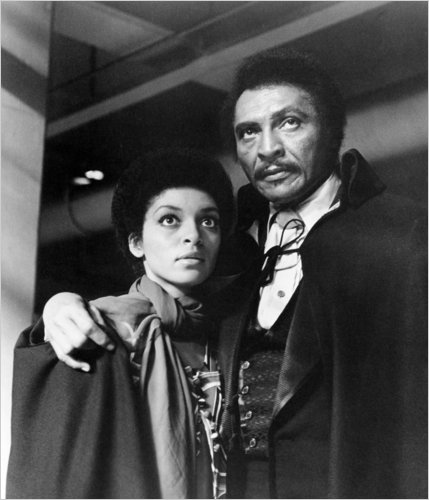
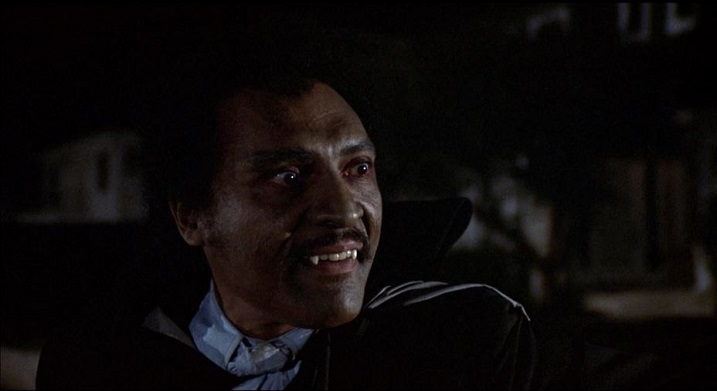
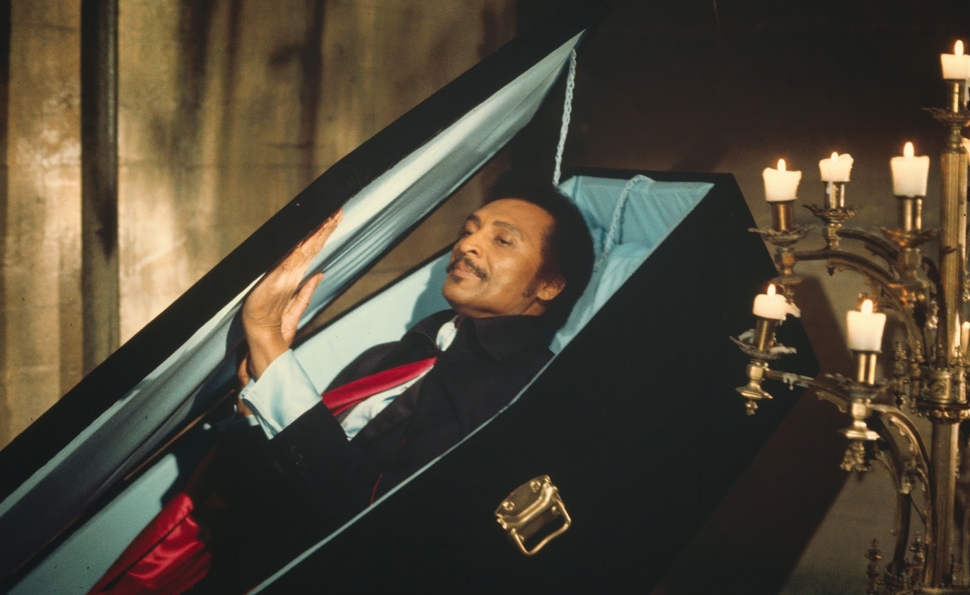
Blacula’s success had a lot to do with William Marshall aka Mamuwalde. By taking the role seriously and really throwing himself into the character it shows in the movie. A lead black character who was not ignorant was saying a lot at the time. According to our reading Deadlier Than Dracula, American International Pictures (AIP) thought that with “the emergence of the blaxploitation movement and their prior experience with horror films,” they could test the black film audience (4). Four years after the release of Dead, Blacula portrayed the first African American horror monster. This “inclusion of blackness” revises the horror genre (4). William Marshall was collaborated with the producers to ensure that Mamuwalde was portrayed with a level of dignity. He removed the stereotype of an ignorant black lead and instead gave the character a life of nobility. Producers were hesitant to his suggestions because they were afraid that by portraying him like that it wouldn’t sell. Marshall combats their criticisms by claiming that the whole movie was an experiment anyways so let’s experiment. Thanks to Marshall, Mamuwalde was the first black vampire who emerged as a regal character.

In our reading Rethinking Blacula, it discusses how Mamuwalde challenges stereotypes. The easiest stereotype to start with is when he fights off all the WHITE cops in the end. First of all, AMAZING. When he throws the barrel at the one guy I damn near lost my mind. Mamuwalde throughout the movie is challenging white authority. The movie is also trying to reverse the stereotype of the black character needing to be a monster. Although Mamuwalde is a vampire and technically a monster, he isn’t a monster on the inside. Mamuwalde’s heart is pure and frankly innocent. He was all in all just an innocent man who got screwed by a WHITE BAD man. He loved his wife, and he loved Tina. By loving these women he is straying further away from the normal vampire trope of being an all around monster. The OG Dracula was a total monster and by giving Mamuwalde a love interest it shows a soft side to him. It kinda makes you root for him! He can’t help that he keeps feeding on people he doesn’t mean to it’s just how he has to live now poor guy. All that is almost overlooked by how much he cares for Tina and wants nothing but her well being. Most importantly he wasn’t going to force her to go with him at all. Even though that part is low key debatable at the end when he was like bird calling to her telepathically. To me it seemed that he was controlling her it was a strange vibe.
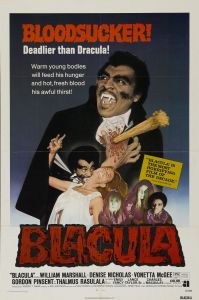 But because this week has been about Blacula, I’m speaking about vampires specifically. Blacula is a great example of a changing approach taken for the portrayal of monsters, who begin to become dynamic characters. The reading “Deadlier than Dracula!” states that monsters were typically used to elicit pity in early horror stories, including their film adaptations, taking on the trope of a “good-hearted sacrificial lamb”. While Blacula uses Dracula’s character within the movie, it differs from previous monster films within the horror genre because the monster’s sole purpose is no longer to make the audience feel bad for them. Instead Blacula’s character, Mamuwalde, acts as a leader and revolutionary; he is a hero of the mistreated, standing up to their opposers. Harry Benshoff’s “Blaxploitation Horror Films”, discusses the role of the monster within the blaxploitation horror genre well: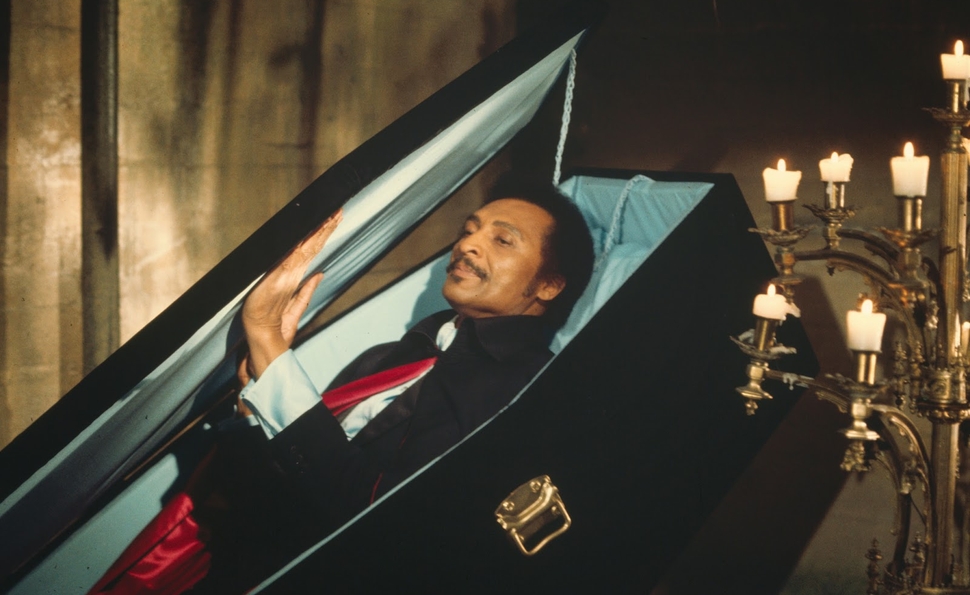










 Cult Movies