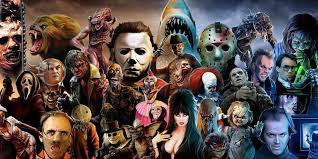
This week’s readings where all about understanding cult and what better way then using horror as an example. Some of horrors most recognizable and beloved films are recognized as bad films.These films might not be blockbuster hits but are seen as fan favorites because of the films off beat feeling or its originality or purely because its bad. The horror genre has its own dedicated cult following allowing for these spin offs and funky b movies to be made. Horror also tends to follow a certain pattern or formula, while these films don’t have a particular message they tend to stay conservative rather then attempt to break the mold of the classic horror structure.
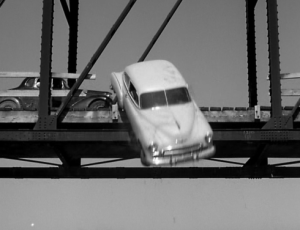
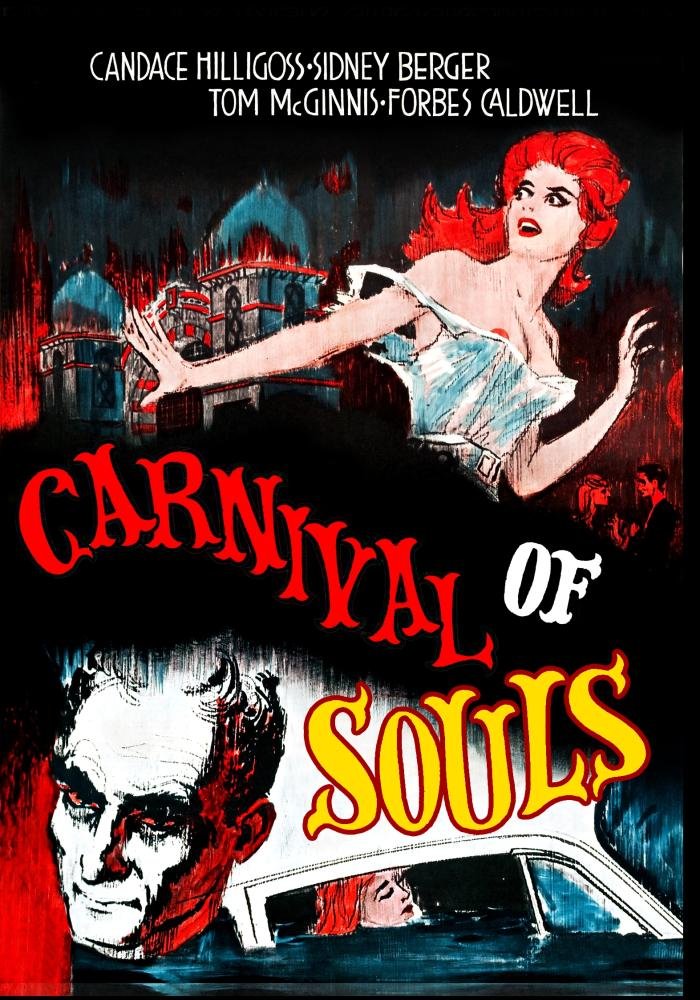
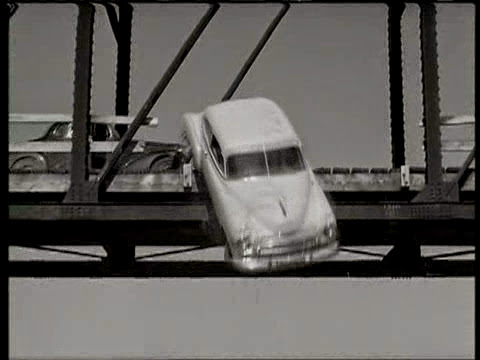
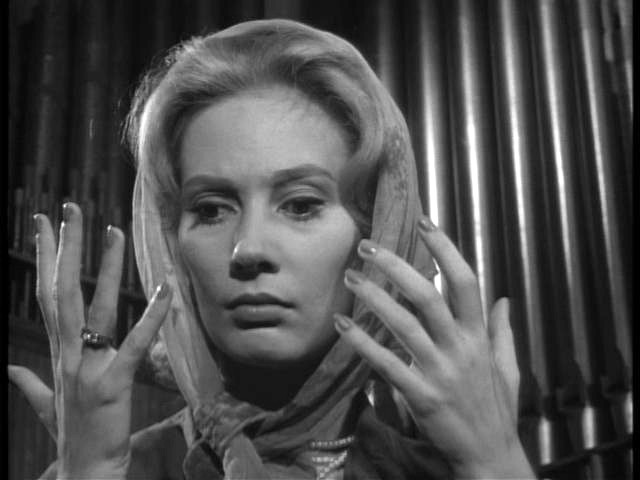
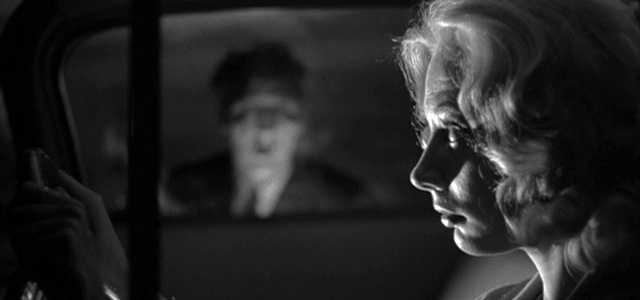
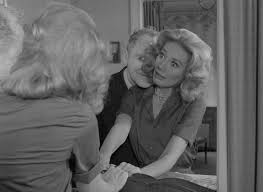
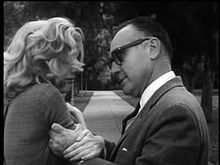
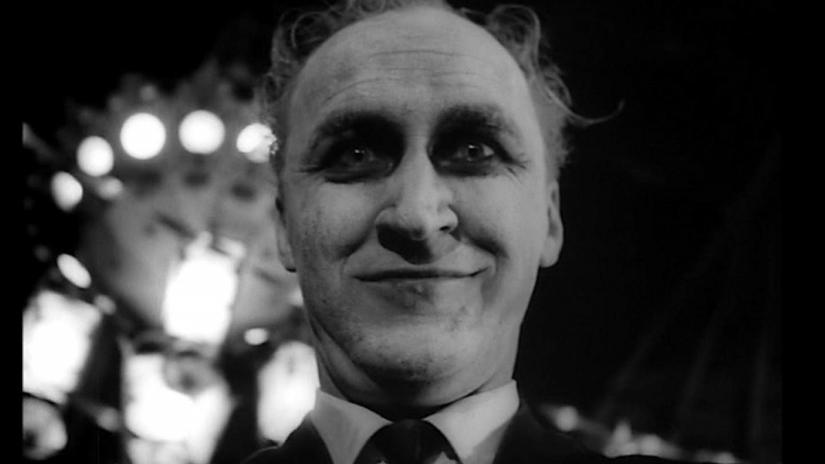
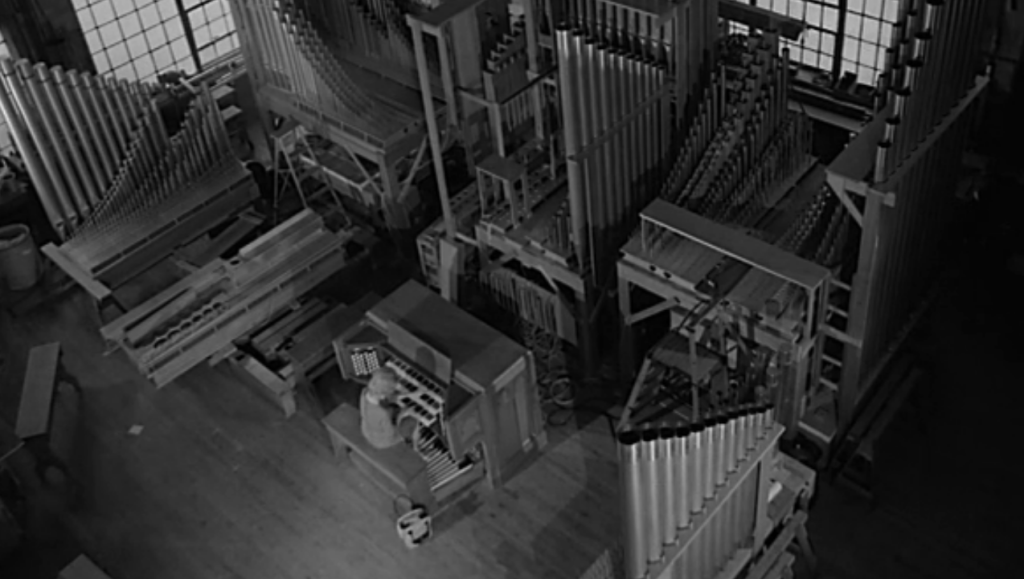
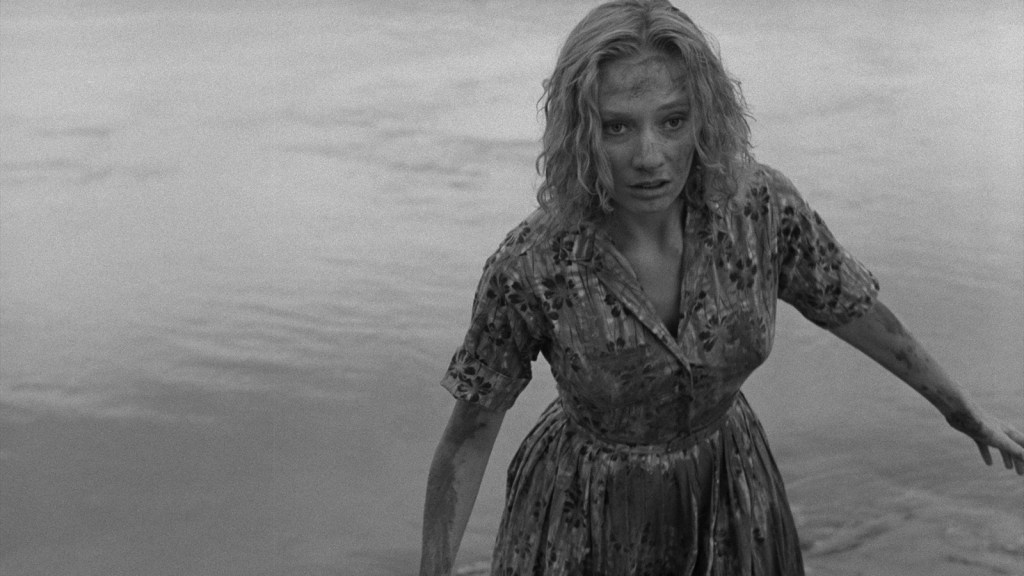
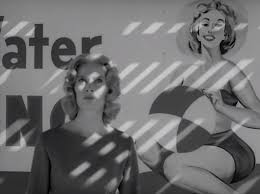
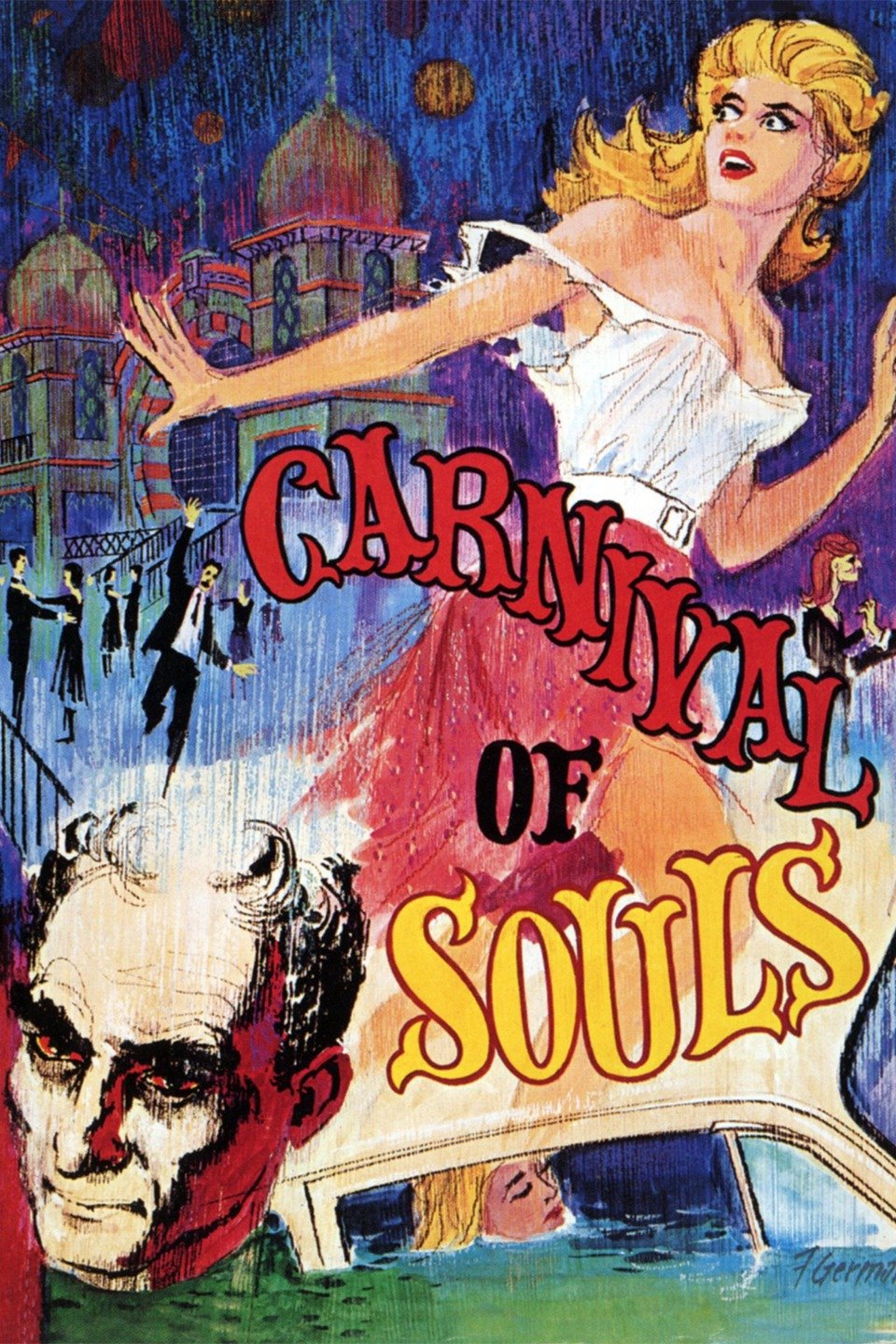
Cult films and horror movies feel all too familiar together and there couldn’t have been a better film than Carnaval of Souls (1962). This film has all the makings of a classic horror but it breaks the mold and does it stunningly. The film follows Mary Henry (Candace Hilligoss) to a new home as a church organist after being the only seen survivor of a fatal car crash. On the way there she sees a far away structure that we later find out is an abandoned carnival. Mary also gets spooked by a scary looking man outside the window of the car but couldn’t find him after spinning out of control. Once settled in Mary meets her next door neighbor John Linden (Sydney Berger) a not so drunk drunk that attempts to win Mary over.
Personally, I thought the movie was visually very exciting. It was aesthetically appealing and beautifully shot, however, it was a bit slow for my taste. I completely understand the fact that the slow pace of the movie was to add to the creepy atmosphere, but it was a bit too slow for me. All of the scenes shot in the abandon pavilion were great, they were dreamlike and creepy, a very odd feeling to it all. The ending seemed quiet rushed, and I was not a huge fan, but I do understand that the whole beauty of the film was the journey we had to take for an obvious ending. The slow pace of the film, as well as the random appearances of “the man” create a very relatable feeling of paranoia and make for a beautiful psychological horror. Especially when Mary speaks about life being so much easier and so much more beautiful when it is daytime, and the feeling of isolation that comes with nighttime.

I guess this relates to my personal taste, another topic that we tackled this week. This week, I learned that taste is founded on the combination of cultural upbringing and education. I grew up watching fast-paced movies like the Fast and Furious franchise in my childhood. This might explain why slow-paced movies (no matter how gorgeous and entertaining I think it is) are hard for me to follow and stay interested in. Similar to the idea of form and function, where a movie might be made to satisfy popular demand and interests, and another might be made for a different reason than to satisfy popular demand.
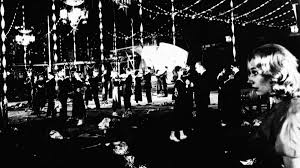


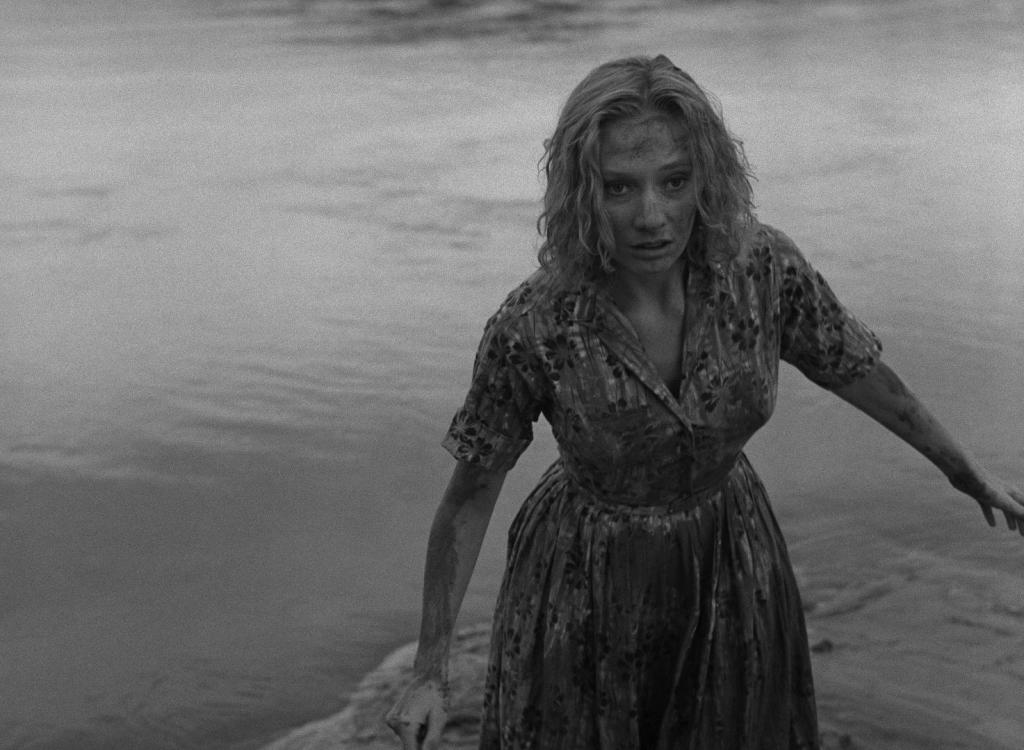



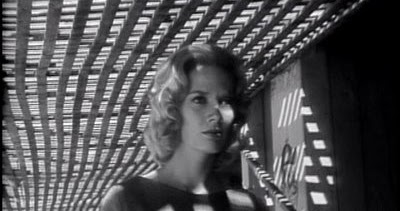


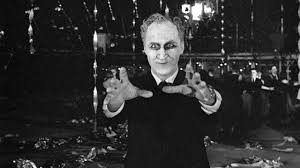
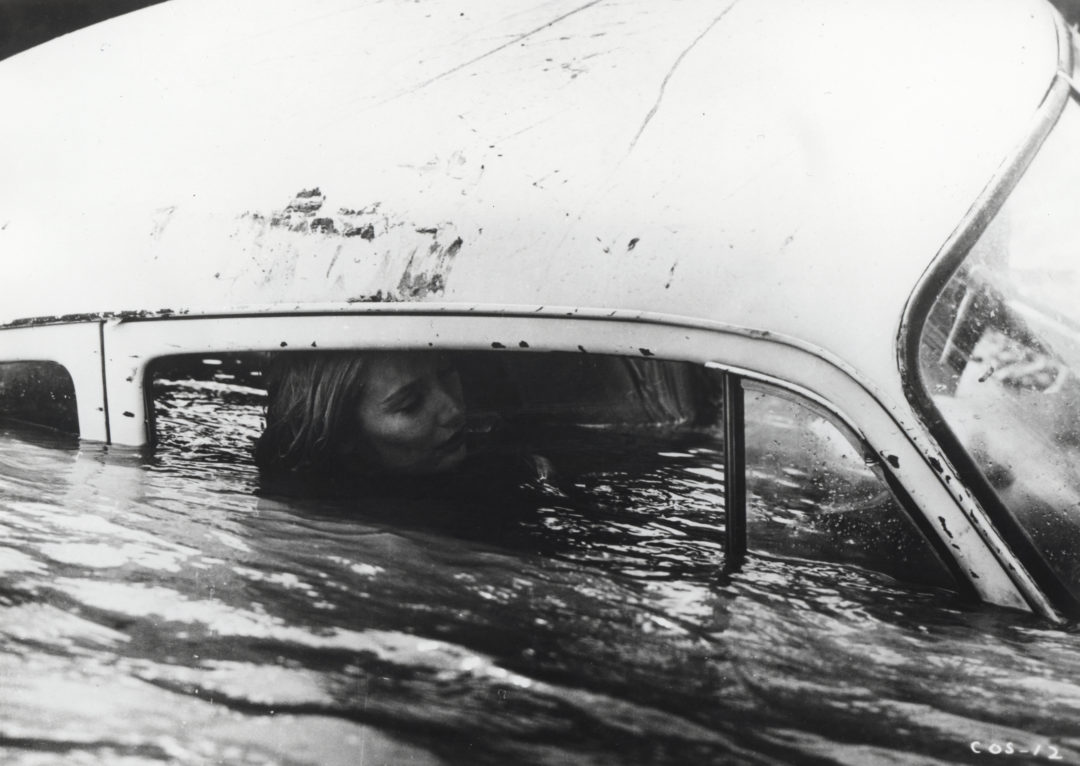 Before the movie began, Dr. Schlegel warned us that the movie can feel slow. But I think the slowness adds to the overall anxiety of the film, we are constantly wondering what is wrong with Mary? Throughout the film I found myself trying to decide whether the strange events Mary experienced were psychological or something more paranormal, the idea of purgatory didn’t dawn on me until the end of the film. Perhaps the alignment of the carnival theme with purgatory threw me off. Nevertheless, it was an interesting concept that offered great opportunities for scenes inside the pavilion, specifically the eerie dance hall scene. The slowness of the film might also contribute to the theme of purgatory, souls stuck in limbo between heaven and hell. While some signifiers were clear; Mary’s insistence that her work with the church was strictly business and her ability to see the dead. Others stood on the border between symptoms of the dead and symptoms of personality; how easily she seemed to move on from the accident and introverted attitudes.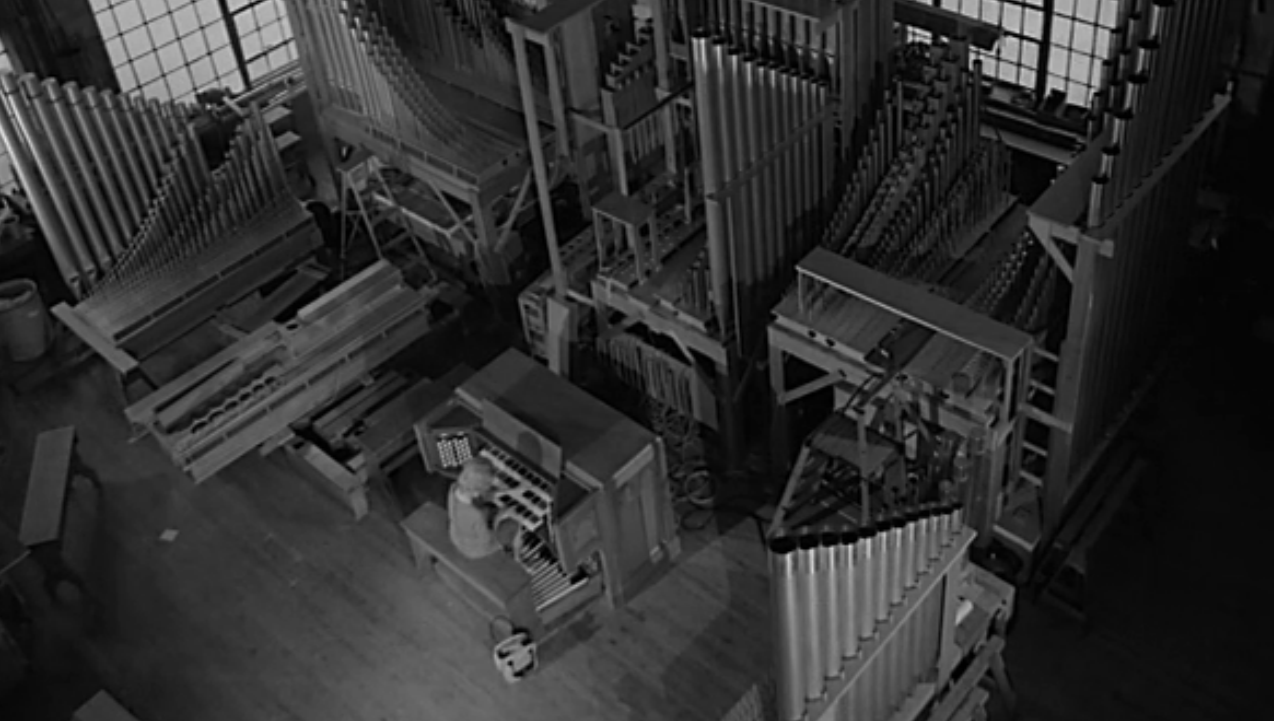

 Cult Movies