Everyone knows the classic love story where the girl unexpectedly meets the boy of her dreams they have their ups and downs but it’s nothing that they can’t solve with a hug and a kiss. This wacky romantic perfect ending story that we all know way too well. This love story has been engraved into our brains since the day we are born. Sid and Nancy is a different story, a real story where you see the nitty and gritty even when you don’t want to. You see the toxicity addiction and dysfunctional love. Being in a toxic relationship it’s hard you have really high highs and really low lows. You can never get out of them and if you do it’s very hard because even when you’re at those very low moments who can forget those high moments. Sid and Nancy depict this better than any movie I’ve ever seen. They don’t sugarcoat it like all the other movies so you see who the main characters truly are. I’m not gonna lie, this movie is very hard to watch and I don’t think I’ll be watching it again. It’s not because the movie is not a beautiful movie, this movie is beautifully shot and has a great soundtrack but is hard to see. Especially in this time when we don’t wanna see any more reality then we are already getting. As I can tell my mom every day I only want to hear three bad things today so that I can hold onto the shred of happiness I still have left.
The readings that went along with this movie you’re more enlightening then sad it almost helped me tie this movie With the drugs and the fans and the rock and roll Back to cult cinema in a way. It helped me figure out why cult cinema was using these drugs to convey emotion. Which really brought out the audience because I’ve never really seen a film like this A film that showed everything. You can choose whether this is a good or bad thing for yourself. I personally think it’s a movie worth watching at least once.
This week’s screening of Sid and Nancy was very different from the other films this whole semester. I liked the film and I found it to be very interesting and I will remember this film because of how sad the whole film felt and it felt like we were watching two people slowly die. It also felt like watching a train crash in slow motion, you want to look away from the carnage, but it is so interesting that you can’t look away. This film is also one the saddest biopics I have ever watched and by watching this film, it reminded me of another biopic that came out last year.
But first I want to talk about one of the readings and the reading that I enjoyed the most was “Cult Cinema and Drugs.” The reason I connected to this article is because there have been plenty of films that I can think of that would be an interesting experience if the viewer took some drugs. One of the films that I am thinking of is Doctor Strange and that is because of all the elements in the mirror dimension in the film. I imagine if a person took LCD and watched that film, they would probably be tripping even more so than if they didn’t watch the film. Just that sequence alone and as well as the scene where Doctor Strange goes to the Dark Dimension to confront Dormammu. This is the first film that came to my mind about drugs because of these two sequences and the original comics were created to look like one giant acid trip, which the film conveyed perfectly. Another film that I think of when taking drugs is any Alice In Wonderland film, which can easily be explained because the films are naturally meant to look like one acid trip. I also was able to find this list of best ever movies to watch on Psychedelics/Hallucinogenic Drugs, which I found very funny with some of the choices on the list https://www.imdb.com/list/ls073996189/.
The mirror Dimension scene.
The Dark Dimension scene.
The biopic that I was talking about when I was watching Sid and Nancy is Rocketman. I know that the films are two tonally different films, and that is why I thought of Rocketman. Rocketman is my favorite biopic ever made right now, and Rocketman does have it’s sad moments, but it is not as sad and depressing as Sid and Nancy was. Rocketman also deals with when Elton John was addicted to cocaine, alcohol, and other drugs. The whole movie follows his journey from a young age to the moment after he leaves rehab. The film ends on a way more positive note than Sid and Nancy, but it also deals with the same ideas of drug abuse that Sid and Nancy also have. Rocketman also has a toxic relationship in it as well between Elton John and John Reid, and also toxic relationships between John and mom. The relationships aren’t as toxic as Sid and Nancy’s relationship, but they are still toxic. Another major difference between the two films is that Rocketman uses all of Elton John’s songs as a musical and Sid and Nancy doesn’t feature as much music as Rocketman does.
My favorite number in all of Rocketman, it is after John broke up with Reid and after John ingested a lot of drugs.
So, to sum this up I will say that Sid and Nancy was a very good film. It was a depressing film, but it was very good. Drugs can be in a lot of films and could also enhance the viewing experience of some films, depending upon what drugs you take. And finally, I think everyone should watch Rocketman if you want to watch a more uplifting biopic, that is basically a musical.
This weeks screening was Sid and Nancy (1986) a tale of the punk Romeo and Juliet. Sid Vicious is the bassist for English punk band, the Sex Pistols who meets a groupie from New York named Nancy. They’d soon discover their shared love for heroin and fall in love and live happily ever after, we’ll not really. There addictions and relationship would soon eat the star crossed lovers alive as the film shows their tragic fall from grace
Before watching the movie I was completely unaware of the story of Sid and Nancy. I’ve heard the Sex Pistols and I’ve heard the name Sid Vicious but I’ve never put two and two together. Going into this I felt I was going to watch Train Spotting with a hyper romanticized couple but was happily surprised with what I saw. Yes maybe there was some romanticizing going on but still showed the reality of their actions at the same time. The two finding a comfort that their die for is incredibly beautiful but littered with drugs and abuse. The sense of their depression hovering around them grows more and more as the films color gets more monochromatic as time goes. Ending in what seems to be both of their deaths as Sid joins a Nancy for one last cab ride to no where.
This definitely wasn’t my favorite film watching as I might’ve gone in with high expectations or just expecting a different film. I found myself confused as to what was going on or why something was being shown and I felt the acting was alright but sometimes cheesy. I found a little video that shows side by side comparisons of the film and definitely spotted a huge difference that made sense in my head why I thought the acting was off. But as it sits with me I could see myself going back to this movie in the future. It’s gray essence was a great way to connect to the couples depression.
This weeks readings focused on drugs in cult films and heady culture. I was excited to see this ( not because of what you think smh) because I thought to myself we’ve seen 3 movies in a row with drugs being a topic in each of the whether it’s lil ol weed or grandpa H cult fans love drugs. I was also interested in this weeks readings as “heady” culture is also huge thing in the glassblowing community. In the beginning of the reading it says “cult film viewers have often differentiated themselves from mainstream film viewers and, by extension, mainstream society as a whole via attachment to films expressive of such difference.” Drugs are not your typical family flick so of course mainstream audiences aren’t going to find kids getting high relatable or even remotely enjoyable. I think that’s where a lot of cult fans come from. We’re all a bunch of weirdos who like weird thinks so when we see weird or out of the ordinary movies that’s what we flock too as fans.
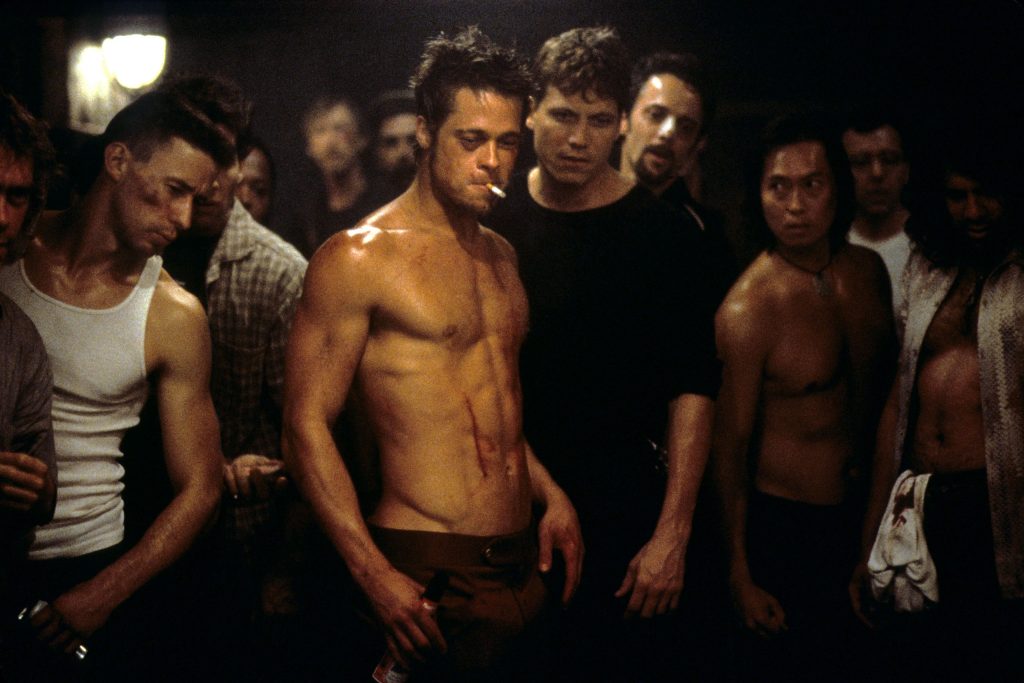
Also this week was topped with two great movie presentations! Patrick presenters on the modern cult classic Fight Club. Growing up this was always a mysterious and iconic essence so it definitely deserves cult status. And Talulla knocked it out of the park with her presentation on La Haine, a French film depicting the Paris suburbs during its tension with the police. I’ve only seen parts of the film but can tell it’s amazing! The message, music and overall toughness of it all look so sick. And even has a cult fan base in Serbia where they have La Haine related graffiti and tattoos. So Sick! Great job Tal<3
This week’s screening, Sid and Nancy, was a little harder to swallow than the rest. Addiction is such a complex, touchy subject. As prevalent as it is in our society, it still somehow remains a taboo in the sense that it’s not something we necessarily want to see, discuss, or be associated with. Everyone has their own opinions on addiction, on right and wrong, and I feel that we all see it through a different lens. The subject is a little closer to my heart than I care for, so be warned that it may alter the way I interpret the film.
"Sid and Nancy's relationship forever illustrates the worst part of being in love with anyone, which is that people in love can't be reasoned with." — Chuck Klosterman
I’d known the story of Sid Vicious and Nancy Spungen, but knowing something and seeing it in action are totally different. The toxicity of their co-dependent relationship is prevalent throughout the film, but there’s always a certain degree of toxicity that comes along with addiction; it’s to be expected. You don’t form an addiction to something without that crutch becoming a toxic presence in your life, starting a domino effect that can be nearly impossible to stop. While I don’t by any means think that their relationship should be glorified, I don’t think that its toxicity should invalidate the emotion behind it. Maybe the emotion was genuine, maybe it was fueled by a mutual desire for personal gain, but either way I feel that this representation of dysfunctional love was human. It wasn’t a heartwarming story of someone turning their life around, but rather something raw and real, a depiction of the reality that is so many people’s lives. Regardless of how you view the pair, there’s a devastating sort of beauty in their love, a desperation that draws you in – even though you know nothing good can come of it – and tugs at your heartstrings.
"Cult film viewers have often differentiated themselves from mainstream film viewers and, by extension, mainstream society as a whole via attachment to films expressive of such difference. Bruce Kawin has written of the cult film“as a deviant or radically different picture, embraced by a deviant audience”(1991: 18), while Jancovichet al. have argued that the cult film is formed through a “subcultural ideology” that places films and/or film-makers and/or audiences in opposition to the main-stream (2003a: 1)."
This week’s reading, “Cult Cinema and Drugs” shone some light on the connection between drugs and (you guessed it) cult cinema. I never realized that there was much of a link between the two, but after reading this chapter I understand that drugs can really appeal to a lot of people for a lot of reasons. Much like how music is used to try and connect with certain audiences, drugs are exploited in the same way, hence the development of different categories of drug films. As the chapter says, “[an awareness off] the generation gap and anti-institutional attitudes fed into a burgeoning counter-culture, in which drugs became a symbol of pride and subversion.” I never realized how many films actually go for this approach until I stepped back and looked at it, but I feel like it’s not a surprise that that this topic ties so well into cult cinema. When you consider the appeal of drugs, whether it be to those who use them or those who are curious, there really is a wide variety of subcultures, drug and otherwise, that can be reached through film. I also never really knew that there were movies out there made with the intention of drugs enhancing the experience of watching it, but that sounds about as cult as you can get. Rejecting societal norms, transgression, taboo, celebration to the highest degree – what more could you want?
All in all, this week was pretty enlightening and yet a real downer at the same time. I don’t think that I’ll be watching Sid and Nancy again any time soon, but the impact that it had and the message behind the movie is pretty profound and not likely to be forgotten any time soon.
and, just for feels fun, a look at an interview with the real Sid and Nancy.
This week was a week that is really close to my heart and I was not really prepared for it. My dad was a huge Sex Pistols fan so this weeks movie hit me at a time when I was already feeling pretty down about everything that’s going on in the world. I at least knew what was going to happen ahead of time (what kind of Sex Pistols fan would I be if I didn’t know the tragic fates of Sid Vicious and his girlfriend Nancy?) but it didn’t make it any less heart breaking to watch. I think that the film was at least a nice escape from everything that’s going on right now so that was a plus and I actually truly think the Sex Pistols are awesome. Without them, the independent music scene in both the UK and America would never have happened. Even though they were just a bunch of punk kids with little to no talent (seriously, Sid Vicious actually didn’t know how to play the bass past the bare bones basics that’s actually true) they still rose in popularity and were incredibly influential. I think this is what makes the story of Sid and Nancy even more tragic. While Sid may have been kind of an asshole and incredibly destructive, he definitely was Sex Pistols band material. He was someone who didn’t even care what the media said and told them to “piss off” frequently and it totally fit them. Gary Oldman did an awesome job portraying him. Chloe Webb also was fantastic as Nancy Spungen and she really managed to portray a drugged out destructive force in this movie.
The movie was also really pretty and visually the definition of a punk rock movie. There was a grainy look to the whole film and most things were grimy and everything just felt a little dirty. I really felt pulled into the late 70’s UK and it was awesome. Also the soundtrack was great, and even had some new songs by The Pogues which is kick ass. The movie definitely qualifies as a cult movie too, much like the actual band. I told my brother this earlier, but I feel like Joe Exotic has nothing on Johnny Rotten and the rest of the band. There’s a great documentary that’s only an hour long called “Never Mind the Bollocks” about the band as a whole and Johnny Rotten is actually insane. I highly recommend it to anyone who wants to know more about the band as a whole. Back to Sid and Nancy though. I felt pretty torn up by the end because of how raw the drug use was in the movie. Very little of it was held back on, if at all, and it really shows. Trainspotting is about the only other movie that really goes into drug abuse as deep as this one does (shout out to one of my favorite actors Ewan McGregor!). But that definitely elevates the film to it’s cult status. I just wish I could have been a little happier before watching it, because it really was depressing.
This week we had a turn of our typical past two rock n’ roll movies we have been watching and watched Sid and Nancy. While this film was just as great, but not as humorous, it was definitely different. The film is centered around Sid Vicious who is in the band the Sex Pistols and his girlfriend Nancy. There love seemed to be an almost too good to be true type of love and the drugs surely did not help in their favor. While the film ends in death it shows the true side to what could possibly be what happens in some peoples lives when fame almost seems to get to their head. Even though Nancy did introduce Sid into the world of heroine it completely took over his life, like a drug as strong as that would. You can see where this film gains its cult status. While many rock n’ roll films usually show the great side to the life that they live this one showed a side that many people do not see. Drugs that were this hardcore in films were still almost not really shown. This could be said to how it brought about its cult status because of the use of such a hard drug being used. Many people wanted to see things like that because it was something not usually portrayed in the film industry. Sure, there were films where people were smoking marijuana but not of people shooting up. The acting in the film is great and shows what the two really went through in a close up and personal way. Although the film was a bust in the theaters many people love it to this day, it made a huge impact in peoples lives showing the toxic relationship of the two lovers.
This week we had two readings that Pat and myself presented on. My personal favorite piece was the piece called Cult Cinema and Drugs. The reading took a deep dive into drugs in cult films and even the use of some drugs such as LSD and marijuana in the making of films and just watching them in general. Something that was very intriguing to me was the part when it talked about people being able to smoke marijuana in the theater. People almost could go and get a contact high from the amount of people that would be smoking. But LSD was something that appeared in many exploitation films around the 1960’s with the fall of the Production Code. Some directors even used these psychedelics to make their films and get more in touch with what they were trying to portray. Even though these films may have been portraying these drugs as positive, it is what brought their cult status to them. Many people loved seeing the use of drugs in films and even going and doing drugs while watching the film.
Lastly this week we had two presentations. The first film presented was on was La Haine which seems like a very interesting film. After I found out that I can request it through the library I will be trying to get it! We also had a presentation on Fight Club which is a great cult classic and if you haven’t seen it I recommend trying to see it. Both presentations were amazing and props to Pat on presenting on readings and his film presentation!
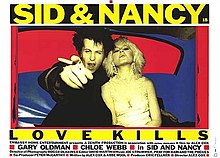
Sid and Nancy also known as Sid and Nancy: Love Kills, soups accurate title, is a 1986 British biopic directed by Alex Cox and co-written with Abbe Wool. The film portrays the life of Sid Vicious (Gary Oldman) bassist of the punk rock band the Sex Pistols, and his relationship with girlfriend Nancy Spungeon (Chloe Webb). Chloe Webb also plays the mom, Monica Gallagher on Shameless who is also a drug addict/ alcoholic so it was interesting for me to make that connection! I didn’t really like it, definitely not one of my favorites that we have watched. I don’t know if it had to do with the fact that I couldn’t really understand anything that they were saying because the movie didn’t have captions and I am DEAF without captions. Also maybe it just wasn’t my type of movie which I feel was very very plausible as well.
In Cult Cinema and Drugs reading, it states, “a high number of cult films have links to drugs, either through featuring drugs in the plot, by referencing them abundantly, or by gaining a reputation for ideal viewing in a drugged state.” The effects of drugs provided an excuse to indulge in experimental shots, inlcuding superimpositions and unusual angles. Before these cult films came to be there was a production code in place laying down a series of guidelines of censorship for film producers. It was started in 1930 but wasn’t really enforced until 1934. Between the 1930’s and 1950’s films about drugs intended to be exploitation films sensationalizing the impact of drugs and warning of their dangers. After the 50’s the production code was relaxed and apended to allow treatments of drug addiction, prostitution, and child birth as long as they were “treated within the careful limits of good taste.” During this erosion of the production code throughout the 1950’s and 1960’s there emerged more daring depictions of drug use, many of which became cult films.
In our other reading Sid and Nancy he goes through three main points. First, he unpacks the tension between realism and interpretation in Sid and Nancy. He discusses the stakes that come with films about historical figures. The stakes being how to present the facts of their life and when to use artistic license and to what affect. Second fact he discusses was the society of the spectacle and the place of both punk rock and Cox’s film within in. He argues that the depiction of punk in the film suggests “the penetration of spectacle into the details of everyday life.” Thirdly, he argues that the critique of the spectacle is undermined as Sid and Nancy presents a depoliticized mythologization of the title characters. Cox is known for being left-winged in his films but in Sid and Nancy politics are eclipsed by the “disastrous romantic love.”
This week’s screening was the masterfully punk surrounded movie titled “Sid and Nancy.” It’s a toxic love story riddled with romance, destruction, but perhaps most importantly PUNK. My favorite scene from this movie was Sid and Nancy’s kiss in the ally. We talked about this in class, but it deserves at least a second mention. The imagery in this scene is not beautiful. But in my opinion, if more people see this movie, it would be iconic. It takes Hollywood’s overdone and cliché “kissing in the rain” and turns it on its head. The rain becomes trash raining down on a couple who shouldn’t be together but are drawn close and create destruction all around them.
I thoroughly enjoyed the readings this week. Averi and I presented on both “Sid and Nancy” as well as a reading about drugs and cult movies. The reading about “Sid and Nancy” gave a lot of insight into the world of punk, and the history of the subculture that took the UK by storm in the mid 70’s. the Sex Pistols were the band that made the biggest impact on this movement, but were only together for a short while. Their impact was one so great that it sparked the making of this week’s screening based around their bassist with no musical talent, and a woman who was despised by the masses.
The reading about drugs in cult cinema was also very informative and reinforcing. We’ve studied films like “The Trip” in classes prior to Covid-19 and in the history of film course, but it’s always nice to have a refresher on the topic. “Head movies” are something that have always fascinated me because they’re like a gateway into someone’s mind. Grant it, that mind is on Hallucinogenic drugs, but the journey and destination are more important than the trivial starting point. The way that the directors used drugs to help them create masterpieces, and theaters encouraged drug consumption on their premises is a cornerstone in this world of film. It also makes so much sense. It is truly an interesting concept to think about; watching a movie made under the influence of drugs while using those same drugs. It increases interaction, and connectivity among an artist, and their fans.
I also presented this week on the movie “Fight Club.” I have always wanted to watch this movie, but there never seemed to be a right time to do it for some reason. When I saw it on the list to present as a candidate for a cult film, I knew I had to do it. Watching this movie was very similar to basically all the movies I have seen because of this class. It becomes a right and a pleasure instead of a requirement and a drag.
Talulla’s presentation was absolutely awesome. There were so many interesting and thought provoking aspects to the movie she talked about; from the techniques used, to the mirror scene, I enjoyed all of it. I can’t wait to watch this movie.
I hope everyone is staying safe, and doing well. I wish all of you nothing but the best, and I will see you guys and gals on Wednesday.
This week felt different from the previous movies we watched and explored another path of the music film. Our last two movies were energetic and fun, using the humor and sarcasm of youth to portray the spirit of rock n’ roll. Sid and Nancy, however, didn’t follow the same outline as Dazed and Confused and Detroit Rock City. Sid and Nancy is a biopic directed by Alex Cox and was released 1986, it retells the story of the relationship between Sid Vicious and Nancy Spungen and how it affected the punk band the Sex Pistols. The biopic is a device used to give a theatrical retelling of events that happened to someone who has accumulated a sort of following or has been deemed significant. The biopic has become popular among famous musicians, you can find a biopic for basically any famous musician from Mozart to Elton John, and they are usually tragic in nature. The musician is faced with some kind of personal or outside source of distress and they either overcome it or it leads to their demise. I enjoy biopics; they can boost the stardom of the still living or act as a tribute to the dead. But I don’t think Sid and Nancy did either of those things, or at least it wasn’t trying to; I wouldn’t call it a warning but maybe an example. It showed the physical and mental toll that hard drugs take on the body, an unglamorized depiction of addiction. It’s sad, it’s depressing, and it’s hard to watch. You see the transition from a young and energetic Sid to lethargy and haze as their co-dependence on heroin escalates. The film was beautiful to watch, I like its punk-edge and youthful humor, but these also contribute to its’ devastating end. I have a hard time watching films like this, where substance abuse and addiction are kept raw; no spoonful of sugar, no Hollywood dazzle. I tend to stay away from them because, to be blunt: they scare me. One movie that I thought about while watching this, and was mentioned in the reading, was Trainspotting, a movie that disturbed me for a while after I watched it. Maybe it was because I went into both of these movies not realizing the depth of heroin addiction they would explore, but I’ll blame that on the appeal of the posters. I can acknowledge a good film, but don’t expect me to watch it again.
Onto a lighter topic (and lighter drugs). This week’s reading, “Cult Cinema and Drugs” did a great job of discussing how drugs and cult cinema have crossed paths. My favorite part of the reading was the discussion of the “Head” film, referring to drugs that are more psychoactive and hallucinogenic in nature (i.e. marijuana, LSD, etc.) which could be A. a movie specifically about the experience of the drug or B. a movie that could be enhanced through the use of such drugs. It seems quite obvious why head films are successful, movies are already fun to watch but after seeing a movie for the fifth time it can start to get old. So, if you were to use a ‘mind-altering’ substance, perhaps weed, there’s a potential for a mundane movie to become exciting again. But, hey, what about a movie that was designed to work with your altered state of mind to create an even more transcendent experience? your Friday night just got even more exciting. And to top it off, what if all your friends or other like-minded individuals gathered together for a movie sesh?
Using the idea of drugs to enhance the experience of a film through depictions of unusual/trippy visuals, depictions of drug use, or actually doing drugs relates directly to a lot of the elements on the cult film check list: transgression and politics in a culture that is still not completely comfortable with recreational drug-use, the community aspect of the drug sub-culture, and the opportunity for active celebration (although not as openly as with midnight movies/grindhouses). What’s also interesting to me about the Mathjis reading is that it doesn’t portray drug-use in a bad light; it instead differentiates between what drugs are deemed more acceptable in use and viewing experience. Not everyone enjoys using marijuana, but generally head films or stoner flicks are light-hearted in nature and could still be enjoyed in a sober state. But the existence of Head films doesn’t mean all drugs will enhance your movie viewing experience, “there do not seem to be any film cycles aimed at the viewer under the influence of heroin or amphetamines. These drugs tend to aid conscious states that are either below or above the threshold suited to watching films.” After watching Sid and Nancy I don’t think I need to explain why these types of drugs don’t mix well with movies (or life).
Man, that still feels really heavy.
I’ve been seeing a lot of advertisements lately for movie & wine pairings. Because these past few weeks have discussed drug-use in and around movies and as our culture becomes more open to the use of recreational marijuana, I humored myself by seeing if there were any strain & movie pairings. Here is some more comedic relief for those still recovering from this week’s screening.
I also enjoyed the presentations this week, Fight Club is a classic and when I first watched it I was pleasantly surprised it wasn’t a bunch of guys beating the shit out of each other for 2 1/2 hours. I had never heard of La Haine but now I definitely want to watch it.
Say it with me kids, T-O-X-I-C! Today’s blog post is brought to you by the word, toxic. That is the best word I have to describe this week’s film, Alex Cox’s 1986 film Sid and Nancy. The film follows historical figures Sid Vicious and Nancy Spungen on their co-dependent downward spiral fueled by heroine addiction, physical abuse and love(?)
I can safely say I don’t know if I will ever watch it again after this week, it wasn’t the kind of movie you would put on to wind down after a long day. Thats not to say it wasn’t a good film though. It was really quite beautiful actually but almost in the same way that a car accident is beautiful, you can’t help but look and regret it as soon you do. Alex Cox almost acts as the other driver on the highway. He locks us in the backseat of his car when he teases us with the tragic ending. Then he drives really slowly past the destructive drug fugued state that is the next two hours of Sid and Nancy. Our face is pressed up against the window glass watching Gary Oldman and Chloe Webb destroy each other in a tornado of self obsessed destruction. It isn’t until the “accident” has long past faded from the review that our guilt and numbness goes away and we can truly process what we just witnessed. I couldn’t help but wonder if we are truly suppose to find enjoyment in someone else’s demise? if we did enjoy it should we feel guilty?
I feel like the car crash metaphor fits a lot of heroine based movies. You wouldn’t say its a drug that lends itself well to a comedic perspective. LSD and marijuana on the other hand are a great way to start a comedic misadventure. The two types of movies are complete opposites of one another.
A heroine addicts descent is seen as dark and dingy with the world literally raining down trash in some cases. Movies like Sid and Nancy use dark colors and shadowy vignettes to hide in. Characters don’t laugh anymore, let alone have sex and spend most of the movie either unconscious, semiconscious, or withdrawing. On the other hand LSD trips in, like the one I have included from the movie Across the Universe are saturated in color, deep purples, greens and yellows. Colors morph and become inverted easing us in to the trippiness of the drug. Even high though everyone is still smiling, laughing letting their hands go where they want, depicting the drug as a much happier drug than heroine.
Never mind weed heavy films that are filled with non stop laughs, clouds of smoke and frequent snacks. They are usually buddy films about two screw ups who aren’t taken seriously and its just them navigating some sort of screwed ball scheme or situation.
Even if not everyone is smoking in the film the stoner is usually the comedic relief in most classic high-school based films. Either the comic relief or the all knowing/really deep one that offers the other characters the kind of wisdom only a truly stoned person can offer. You don’t typically see the heroin addict being the comedic relief of a film.
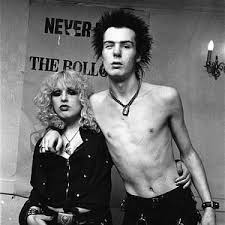
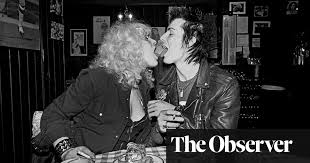
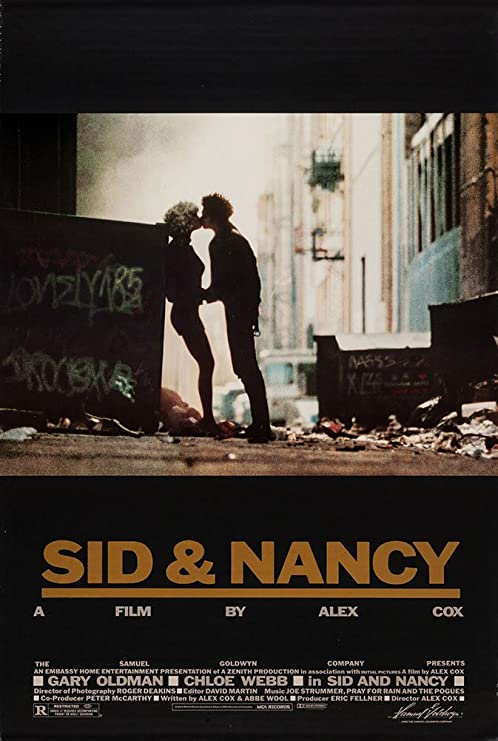
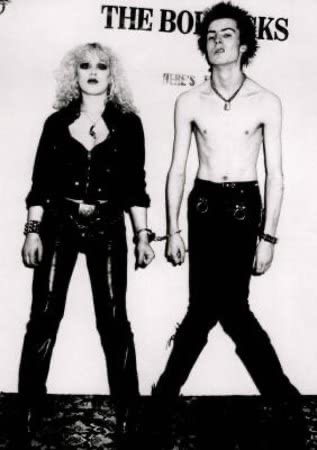



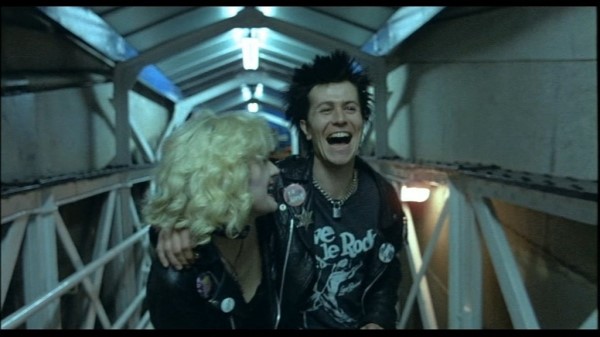
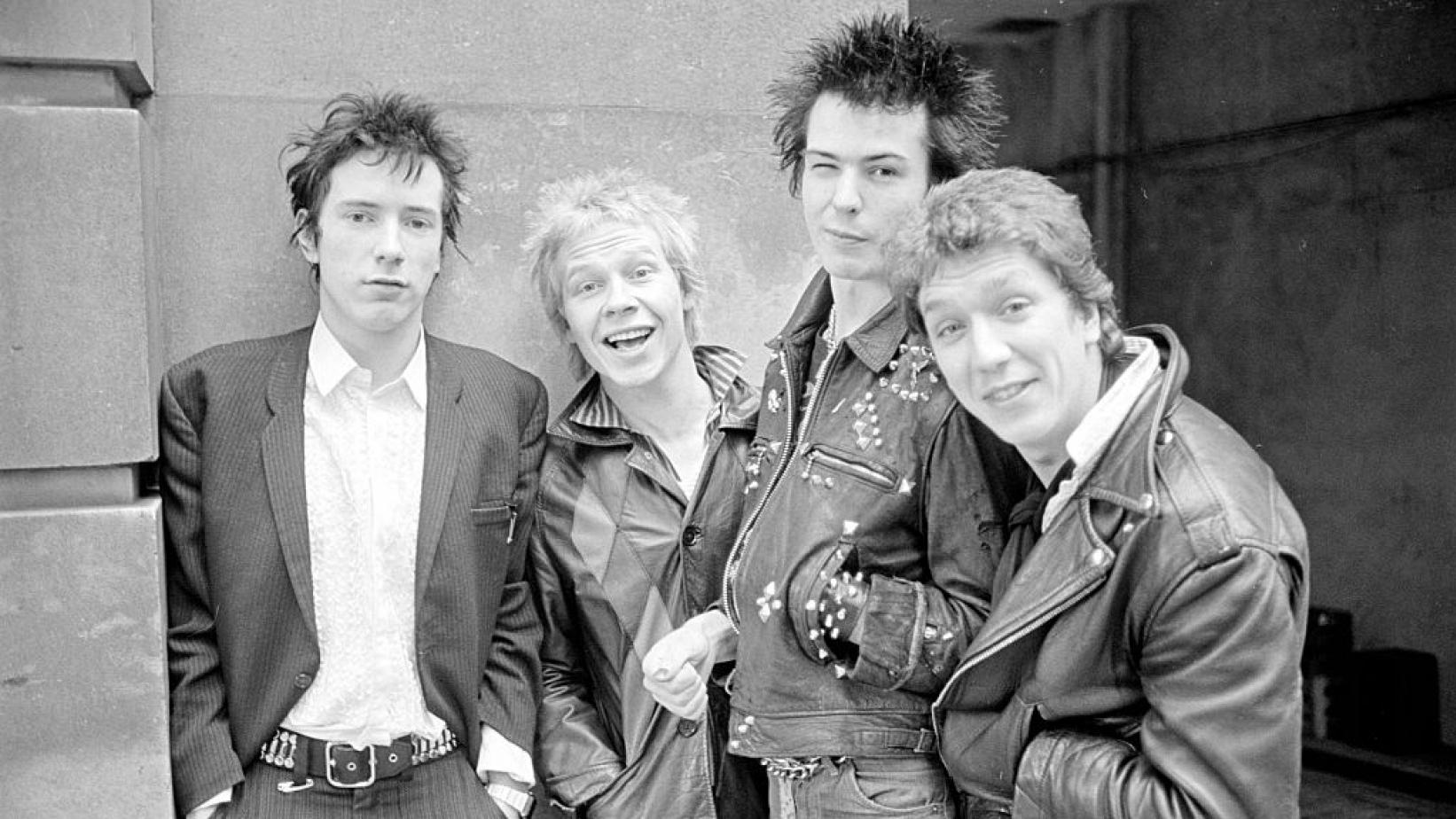


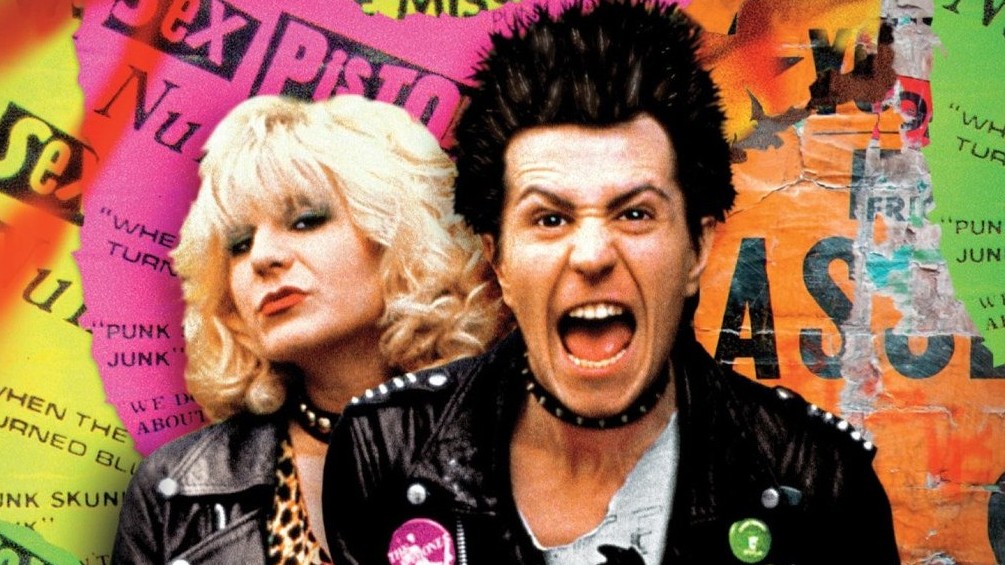



 Pistols. The biopic is a device used to give a theatrical retelling of events that happened to someone who has accumulated a sort of following or has been deemed significant. The biopic has become popular among famous musicians, you can find a biopic for basically any famous musician from Mozart to Elton John, and they are usually tragic in nature. The musician is faced with some kind of personal or outside source of distress and they either overcome it or it leads to their demise. I enjoy biopics; they can boost the stardom of the still living or act as a tribute to the dead. But I don’t think Sid and Nancy did either of those things, or at least it wasn’t trying to; I wouldn’t call it a warning but maybe an example. It showed the physical and mental toll that hard drugs take on the body, an unglamorized depiction of addiction. It’s sad, it’s depressing, and it’s hard to watch. You see the transition from a young and energetic Sid to lethargy and haze as their co-dependence on heroin escalates. The film was beautiful to watch, I like its punk-edge and youthful humor, but these also contribute to its’ devastating end. I have a hard time watching films like this, where substance abuse and addiction are kept raw; no spoonful of sugar, no Hollywood dazzle. I tend to stay away
 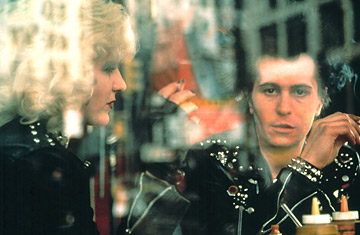 from them because, to be blunt: they scare me. One movie that I thought about while watching this, and was mentioned in the reading, was Trainspotting, a movie that disturbed me for a while after I watched it. Maybe it was because I went into both of these movies not realizing the depth of heroin addiction they would explore, but I’ll blame that on the appeal of the posters. I can acknowledge a good film, but don’t expect me to watch it again.

 Cult Movies