
My favorite description of camp from this week’s readings comes from Susan Sontag’s essay Notes on Camp.
No. 26 ‘ Camp is art that proposes itself seriously, but cannot be taken altogether seriously because it is too much.’
As someone who had never heard the term ‘camp’ until this semester I found Notes on Camp to be incredibly helpful. Like cult films, camp has numerous definitions. It walks a fine line between ‘quirky’ and just plan bad, or lacking in ambition, as Sontag describes. Camp’s most important role in regards to cult film is in viewer tastes. As we often discuss in class, it is a film’s audience that give it a cult status. Without a following, a bad movie is just that—bad. I would argue that the worst thing a film could be called is boring, as even the most exaggerated or transgressive films (Hi Pink Flamingos) still provide a form of entertainment in their portrayal of taboo or disturbing acts.
No. 34 ‘ Camp taste turns its back on the good-bad axis of ordinary aesthetic judgment. Camp doesn’t reverse things. It doesn’t argue that the good is bad, or the bad is good. What it does is to offer for art (and life) a different-a supplementary-set of standards.’


Andrew Ross, Professor of Social and Cultural Analysis, New York University
This concept of camp making a 180 in regards to taste is the hardest concept for me to grasp. If having camp taste doesn’t mean ironically liking something that mainstream society considers bad, then what does camp mean? Luckily Andrew Ross’s essay Uses of Camp helped me clarify a few things. Ross goes into the history of camp, and how it has be adopted by the underdogs of society as a way of ‘salvaging the privilege to influence canon tastes of mass culture.’ In the sense of a camp intellectual then, camp is the appreciation of things that are cast aside by the mainstream values of society. It’s liking something that others may consider tacky, and enjoying how your tastes go against the current tastes of the majority.

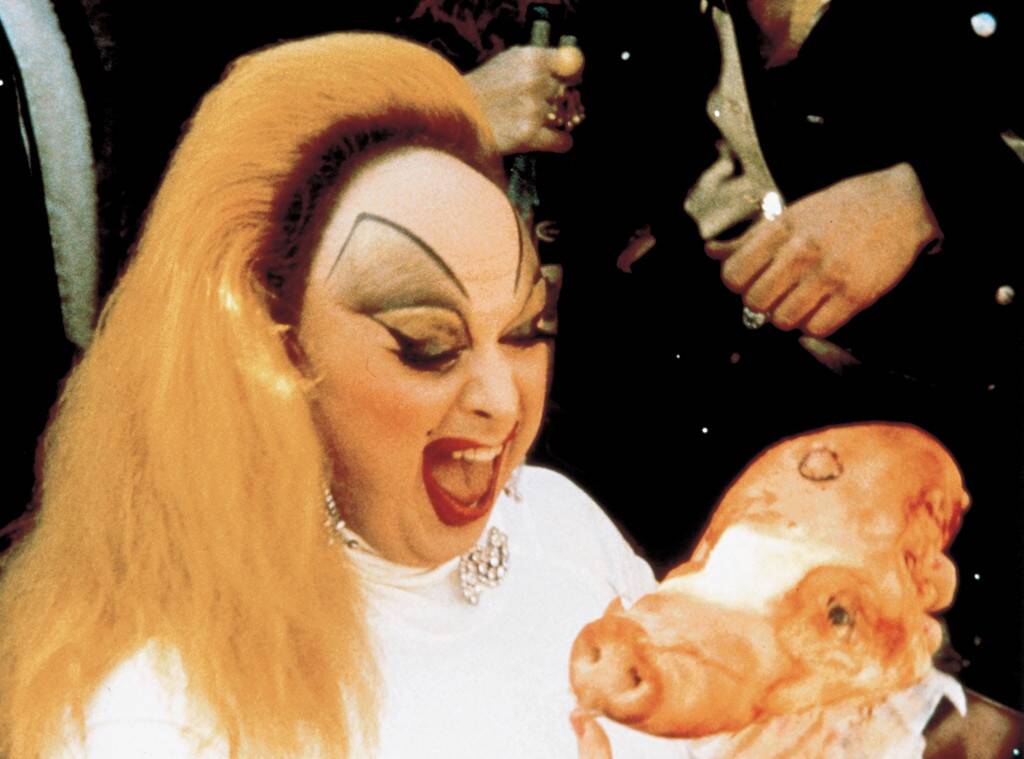
With that, let’s go into our screening for this week, Pink Flamingos. I will not lie. I will never, ever, watch this film again. I couldn’t even get halfway through it before I stopped watching it. However I respect Pink Flamingos for what it is—a shiny example of a transgression cult film. Everything about Pink Flamingos is taboo, appalling, or just plain revolting. As described in our reading of Transgression and Freakery, it all has to do with how a film affects audiences. While camp takes something quirky or bizarre and choices to see it in a different light, transgression tastes are those that come ‘out of a sincere sense of rebellion against what is perceived as a suffocating pressure from dominant morality.’ It’s the enjoyment of experiencing something taboo, because its taboo. Many cult films celebrate or feature transgressive acts or images. It was interesting seeing how all of these essays fit together, but Transgression and Freakery was the most informative after watching Pink Flamingos. But still. Never watching that again.




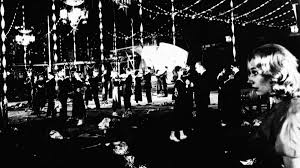


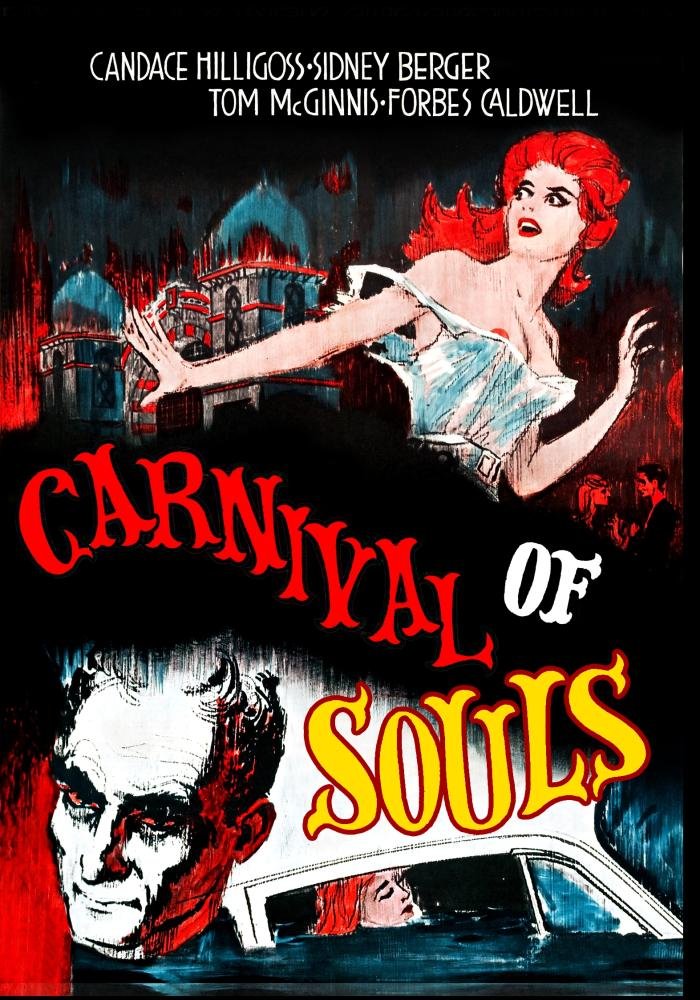









 Before the movie began, Dr. Schlegel warned us that the movie can feel slow. But I think the slowness adds to the overall anxiety of the film, we are constantly wondering what is wrong with Mary? Throughout the film I found myself trying to decide whether the strange events Mary experienced were psychological or something more paranormal, the idea of purgatory didn’t dawn on me until the end of the film. Perhaps the alignment of the carnival theme with purgatory threw me off. Nevertheless, it was an interesting concept that offered great opportunities for scenes inside the pavilion, specifically the eerie dance hall scene. The slowness of the film might also contribute to the theme of purgatory, souls stuck in limbo between heaven and hell. While some signifiers were clear; Mary’s insistence that her work with the church was strictly business and her ability to see the dead. Others stood on the border between symptoms of the dead and symptoms of personality; how easily she seemed to move on from the accident and introverted attitudes.










 Cult Movies