Tag Archives: American Grindhouse

Educational Movies

I didn’t really imagine a definition for “cult films” before reading the general characteristics in “The Cult Film Reader” and had never really questioned it either. Considering I’ve been a part of the crowd of consumers to media my whole life I would generally gravitate towards the cinema of my attraction, which had no formula. I’ve always found a polarizing view on movies to be very boring, and can recognize the worth of a film being “critically acclaimed” but always find that my personal language in movies I’ve seen will ultimately draw me to enjoy something new. I did find particular interest in cult films even without a full understanding of what they were because of the enthusiasm of fans surrounding their existence and that both considerably “bad” and “good” films could be in its rankings. The characteristics that Ernest Mathis and Xavier Mendik go through in the reader are anatomy, consumption, political economy and cultural status, with transgression or “badness” being a side effect sometimes. The consumption of these movies is usually not industry fed and raised, but rather appropriated by a group of people that the film possibly never meant to appeal. I enjoy this concept because the power is given to the audience which allows more room for innovation, such as seeing the fantastic qualities in a mess of a work such as Dwain Esper’s Maniac. 

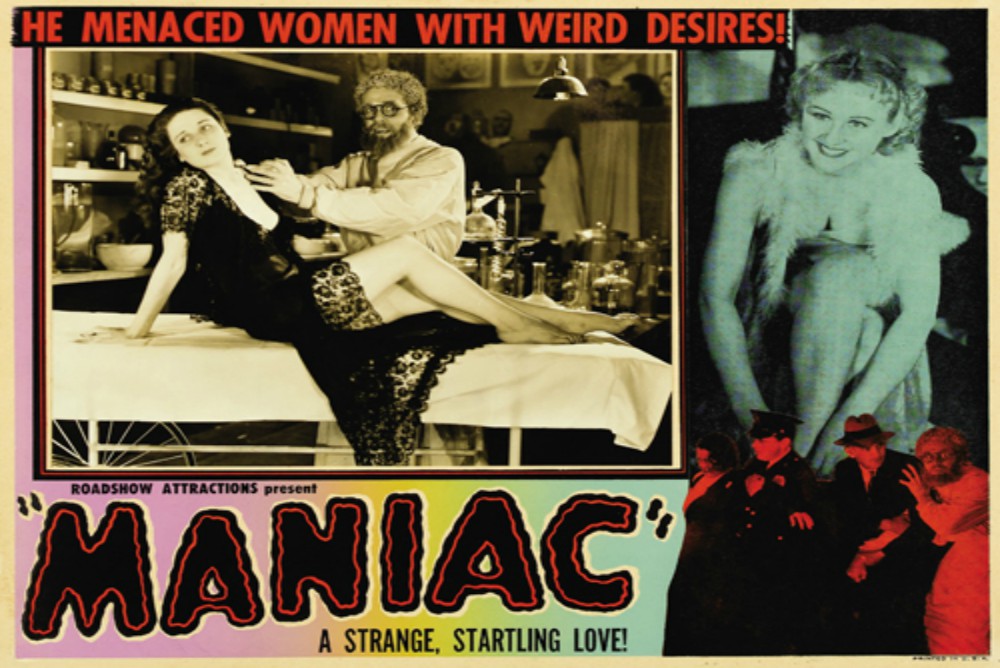
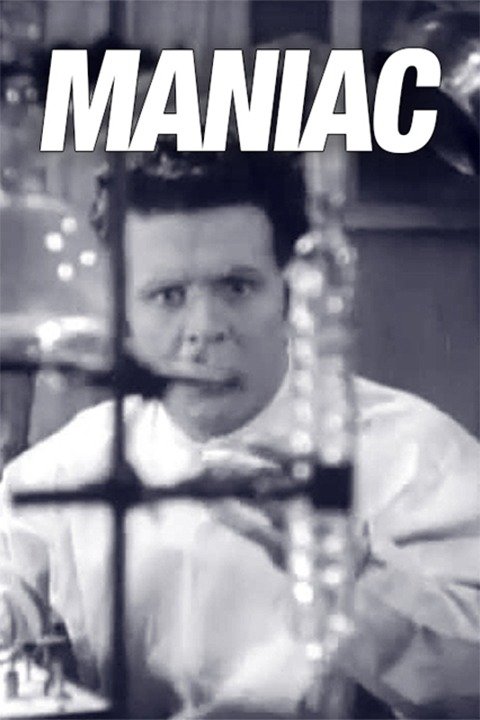
Maniac was an interesting watch, though hard to follow, and made me think about how convincing it may have been in 1934 for a public with much less understanding of mental illness. It’s exploitation of just about every mental illness possible is laughable now, but probably a very different type of frightening and weird for its time. Although the film is shot technically “bad” there are scenes with unexpected terrifying qualities, such as the one where the doctor imposter is crawling up the stairs towards the camera with a deranged look.

8

By claiming the film to be “educational”, Esper got away with the exploitation of many taboo subjects in the film such as rape, animal abuse, murder, etc. Being in the Pre-code Era of Hayes Code censoring, Esper uses strange-to-the-point-of-humorous techniques to imply dark subjects that speak to audiences on a guttural level. Even with the censorship of movies in the time of its release, the public would still have interests in these subjects because (surprise) people like seeing violence, it’s realistic. This would draw any early example of a cult following to this film, as well as its bizarre film techniques and plot twists that are avant-garde for its time in film history. The appeal of these movies doesn’t lie in its inherent “goodness”, especially in the context of when it was made, but rather the universal raw qualities and its ability to exist outside of structured plotlines. Discussion on whether the film itself or the audience is what makes a movie has long been had, and a film such as Maniac would hardly be remembered in the present day is there wasn’t qualities about it that resonated with audiences even now. 
 

Are Harry Potter, Lord of the Rings and Star Wars Cult Films?

Well the semester is finally in full swing and Cult Movies is really taking off.  We didn’t do too much the first week as it was syllabus week, but one thing to note is the time we spent on trying to define a “cult movie”.  We were all given a handout with a checklist to let us know what fell under the guidelines of cult movie, but most of the movies I could think of that I’d consider cult didn’t meet all the criteria.  This was a really confusing start that actually had a wonderful payoff and made the learning experience of what could have been a boring first-week lecture (syllabus lectures I call them) really mean something.  It turns out that you don’t have to have your favorite movie fit all of the criteria.  A cult movie is a movie that just is one.  There’s certain things that I’d argue are more important than others when it comes to a cult movie such as whether or not the movie has stood the test of time and still holds up to this day or whether or not there’s a big audience following for the movies.  One thing I found myself wondering is where the line is for determining what makes a cult movie.  The example I used in my head was Star Wars.  Obviously the franchise has a near cult like following and had a stigma that it was something that only nerds liked, but now I feel as though a lot of that “accidental” cult-like energy is gone.  Now it’s totally normal to like, even love Star Wars.  There are more fans than ever and the original trilogy are hailed as American classics.  But I still found myself wondering whether or not they really fell into the cult films category.  Hopefully I can get the opinions of my fellow classmates.

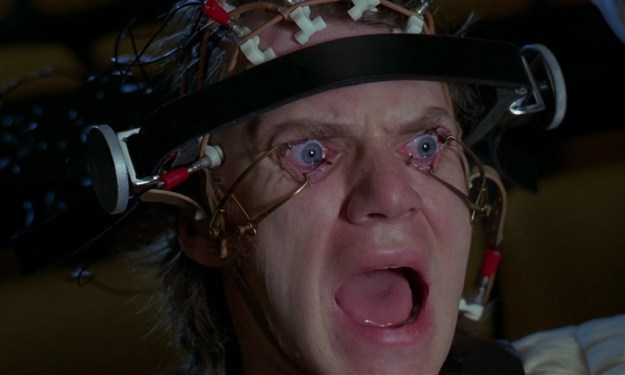
clockwork orange.jpg

Moving on to this week, we started by having a brief lecture wrapping up what we finished talking about the week before on Maniac, and while I could say a few things about the movie, I’d rather not.  I get why it’s important but after seeing it twice now (yes I for some reason subjected myself to that movie once before) I can say that it still did nothing for me and it was a bad movie.  We can move on to other movies now though with the knowledge of how it all started.  We had a couple of students talk a little about Maniac and cult film definitions and it really cemented in the readings, that was a job well done.  Later in the week we had our screening, American Grindhouse.  It’s been a little while since I’ve seen it and I forgot how much fun it is.  I think it was a great way for the whole class to not only learn about the history of grindhouse and what it’s importance was on the movie industry but also it’s a great introductory piece for everyone to watch so that they know what they’re getting themselves into.  I’m excited for next week and to watch Detour!

warriors.jpg

What is a cult film?

Cult films consist of Taboo subjects, sex, nudity, violence, and monsters. Some films are good some films are bad. Some are low budgeted and some are high budgeted. They tend to touch on cultural topics but the word that would describe cult movies is exploitation!In order for a film to be considered a Cult film it has to fall under the category of  anatomy, consumption, political economy, and cultural status. Each category has subcategories that goes into specifics of different types of cult movies. I didn’t know there were that many types of cult movies and I am excited to watch some of them in class. 

Dwain Esper directed the film Maniac which people considered to be a bad film but opened doors for other films to be created. I just found the film to be different from what I watch in my free time and the quality was older. The storyline focused on what it wanted to get across and left many dead ends for some of the parts but film being in segments and having writing that the audience could read to get a better understanding of what was going on. 

American Grindhouse was educational and entertaining at the same time. The Film helped me get a better understanding of what kinds of films are considered cult films. Coming into this class I thought I’ve seen only three or four cult films but seeing the examples of cult films my list has expanded and help me get a better understanding of why films were the way they were and what was going on during the time the films came out that influenced the film. It was said in the film that “video cameras were the way to start exploitation.” 

Women played a big role in the production of the cult films from taking off their clothes on screen and to be willing to play roles that are explicit and exploiting how women are treated in households. “Women undersold themselves” and didn’t know that they could get played more for the acts that they were willing to perform in front of a camera when it came to the burlesque era and scenes. After some time violence was added to motion pictures. Male fantasies came to life, saving women from distress and women being whipped into submission because sex wasn’t allowed to be shown in films at some point. 

The teenage rampage era in the 1950s must have been an interesting time. Films were being made about teens not being understood by their parents and feeling like an outcast and being arrested, and the crime rates increasing. That was the time drive-in theaters were popular and I wish I was alive for those times, don’t you? Has anyone ever seen the film “The Outsiders”, is that considered a cult movie? 

My friend wanted to go to the movies and she picked the movie “Once Upon a Time in Hollywood”. I didn’t know what to expect but I didn’t expect it to be what it was. That film was different and I am so excited that we will be talking about it in class and that I am actually learning about films like it.

What Have I Gotten Myself Into?

For the longest time I always thought that The Room was one of the worst movies I have ever seen, after the viewing of Maniac, I was completely wrong about that statement. After watching Maniac, I realize how bad a film can truly can be. There was barely a plot to Maniac and the only time I figured out what the plot of the film was was after I read the article The Prince of Exploitation, and this allowed me to better understand the film as a whole. Although the article helped me to better understand the film, it did not make the film better, the film is still awful and there is nothing that could help to improve the film in the way it was edited and also the way it was filmed. There are so many cuts in this film and sometimes there is just random shots that make no sense at all. The second screening of American Grindhouse allowed me to better understand a different side of film that I have never seen before. I didn’t know about Grindhouse part of film that much, so this documentary opened my eyes to a new portion of film history that I had never known about.

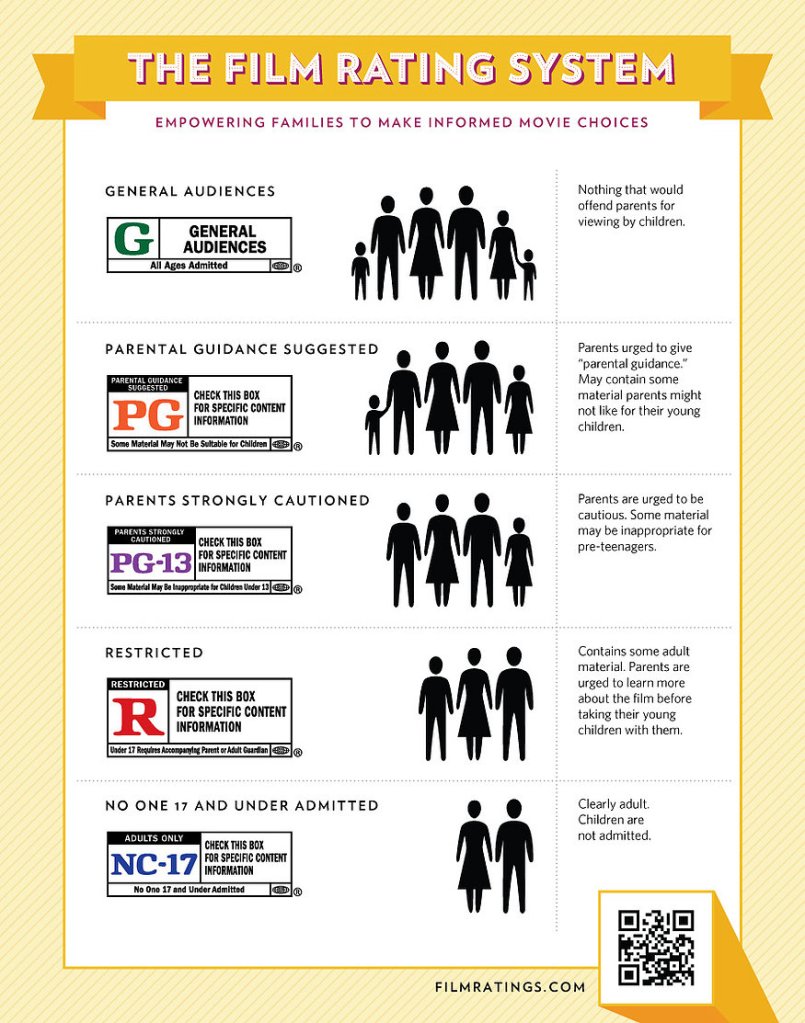
Before watching American Grindhouse, I never knew how many different kinds of exploitation films there was. There was so many exploitation films that I wrote down in my notes that I don’t even think I got them all during the course of the documentary. The fact that there was this many of these films surprises me. I would think that the reason why this surprises me is because of how much our society has changed, today our society hates to see anything sexual in public and even in film anything that has sex or nudity in it is usually looked down upon. Before the Motion Picture Content Rating System, it seems like studios could have gotten away with so much more in film and wouldn’t have seen a negative reaction. But today, it seems like films that are rated NC-17 or R are usually compared differently to a PG-13 film. There is barely any NC-17 films released nowadays and that is because NC-17 is mostly porn or extreme violence. R rated films are getting way more attention nowadays and some of these films remind me a bit of these grindhouse films, controversial and meant to appease a certain audience. The reason for this lack of type of grindhouse film mostly would have to come down to the fact that Hollywood tries to make PG-13 movies to appease the mainstream audience and to avoid putting anything controversial in these films to make everyone mad at them. Although this seems to be changing a bit and we appear to be getting more films that could cause controversy and appease to adults more than the general public. 

The rating system that has changed Hollywood.

American Grindhouse made me realize that there was a time when a time when some people in Hollywood tried to exploitate a large portion of the general public to just get a quick buck. This has mostly gone away, but every so often it seems like there is a film that brings back this exploitation and attempt to make some quick money. Maniac was one of the first films mentioned in the documentary and after watching the whole documentary I understand why it was placed there. It was placed there because it is one of the first grindhouse films and attempts to make a quick buck through exploitation. 

Cult Movies: This is Only the Beginning

What is a cult movie? Why are only some movies considered a cult movie? How do they achieve this status? Why do we care? There is no singular answer to these questions. Cult movies have shaped not only the history of cinema, but the history of America. These obscure and revolutionary films have acquired a fan base so dominant and encompassing there is no better term to describe them but cult. To break them down simply there are four major categories to determine if your film is a cult film: Anatomy, Consumption, Political Economy, and Cultural Status. What makes up the film? Was it loved or hated at release? Did it bring in a lot of money? Does it cover a sensitive topic? What makes people love it now?

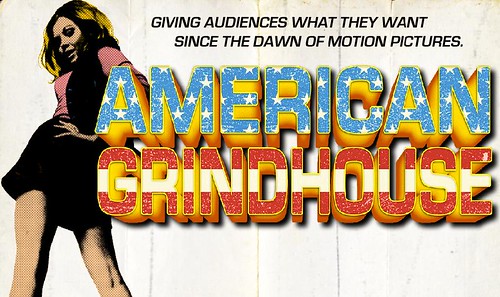
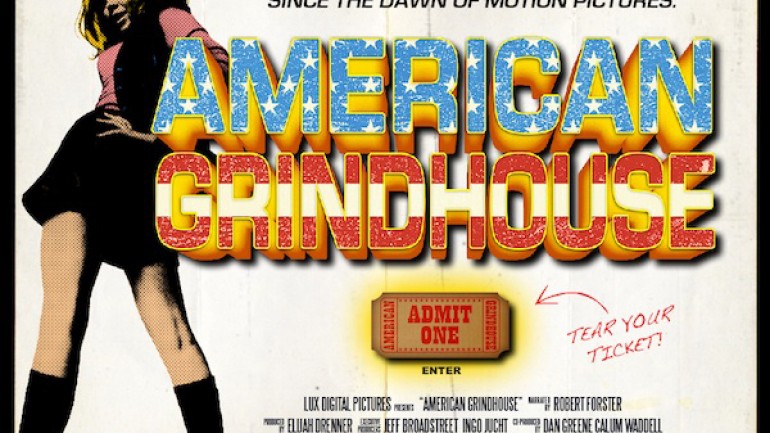
The exploration of this category in film is a wild ride through the 1900s. If someone could think of it, it happened in a film. A major part of cult film comes from an exploitative culture, taking advantage of the otherwise “taboo” subjects of every day life and providing them in the cheapest way possible to make money. The best way to learn about the rollercoaster life of exploitative cinema is through the 2010 documentary American Grindhouse. This hour and twenty-one minute documentary throws a vast amount of information about the transition of exploitative style films, showing us examples of movies from the early 1910s to the later 1970s. These taboo films are reactions to the culture around them, although they may influence actions of the viewers, they ultimately react to the world as it already is and what the viewers want to see.

2010 Documentary about the history of exploitation movies, from the early 1900s to the 1970s. Directed by Elijah Drenner

Maniac is an anti-classic cult film, directed by Dwain Esper in 1934, written by his wife Hildegarde. It is a prime example of an exploitative film. As Robert G. Weiner would call him, Esper is the Prince of Exploitation, willing to do about anything to make a buck. Maniac‘s changing props, poor cut action scenes, and low quality audio begs the question of why this is a must watch film. Although it is commonly played off as a mess of a film with no true narrative, albeit true statements, it plays a far superior role in objectifying what is real and what we believe to be. Esper tackles a hard subject when he takes on mental disorders. During the Depression Era, in which the film was originally aired, there was very little knowledge on mental disorders. Due to production codes and regulations, Esper had to make his film into something “educational” or at least enough so that it passed, which explain the random cuts to disorder definitions. Although these definitions are no longer accurate enough today, during the time this is what the medical boards believed in and followed. Esper’s rough depiction of mania was at the extreme end of the spectrum, however, it fell in accurately at what the audience would have imagined themselves. This low-budget film almost painful to witness, but easy to enjoy. Most importantly it makes you ask what is real? What isn’t real? And reminds you to never look at grapes or oysters the same again.

“Why, it’s not unlike a grape or an oyster.”

Tom Gunning’s “The Cinema of Attractions” is one of the best pieces of literature to understand this. “Every change in film history implies a change in its address to the spectator, and each period constructs its spectator in a new way.” Gunning knows the best way to bring people to the cinema is to give them exactly what they want, usually the most extreme things and dark desires that most won’t admit to wishing for. People often live out their darkest desires vicariously through a form of media, whether it be a movie, song, or book. Society dictates how people conduct their lives, bringing about the ultimate suppression of needs and desires. As human beings we often have a moral compass to understand what is right and wrong, however, that doesn’t stop the darkness forming in the back of our minds. A majority live their entire lives without acting on these unwelcome desires. As people and culture change the media forms into the mold, filling the squares people aren’t allowed to fill. Blood soaked murder scene, transcendent highs, aggressive pornography, and nudity fill the screen and people buy a ticket. It’s all okay, its not real. After all, it’s only a movie.

Cult Films: Criteria, Theories, and History

Cult films or ‘cult classics’ are a unique area in film studies. While many audiences can identify a cult film, few can precisely define it. Is a cult film something so badly written it’s outrageously funny? Is it a plot so berated with plot holes that fans surprisingly enjoy it more, welcoming the open interpretation? Or is it simply a movie that while failing in the box office reviews, found success in the adoration and nostalgia of audiences around the world? While film scholars debate on a concrete definition of cult films, there are several notable criteria that help identify this unique film niche.

The Dark Crystal was a puppet-ed fantasy film made in 1982. It quickly became a cult classic for its dark themes, and was so popular that Netflix recently released a prequel TV series.

“The Cult Film Reader”, edited by Ernest Mathis and Xavier Mendik, identifies four major elements in a cult film: anatomy, consumption, political economy, and cultural status. While not all of these criteria may be found in a cult film, they represent the standard. Each of these elements can be broken down even further. Let’s look at the consumption of a cult film. This is how the film is received by fans and critics. Say you got bored one night, called a buddy over, and challenged him to a drinking game while watching Lord of the Rings. A few weeks later that buddy returns with more friends ready for round two. This would be an example of active celebration. If it now becomes a tradition to marathon Lord of the Rings and take a shot every time the ring gets a close up, then you have created a ritualized celebration of the film. This unique way of experiencing the film is a key example of audience communication.

Let’s continue this example a bit further. It’s been a few years since you’ve seen you pal when you get a call from him. There’s a one night showing of Lord of the Rings next week, and wouldn’t be great to dress up as the characters and catch up for old times’ sake? When you arrive at the theater the place is packed with fat Gandalf’s, miniature Legolas’, and more Frodo’s than you can count. Such a diverse grouping of people, and yet you’re all together to celebration one film. You’ve joined a community, a fandom, around a film that all of you adore for your own reasons. Communities or followings of a film are a critical feature in cult cinema. After all, what makes cult classic’s so unique and special is the people who celebrate it. But what is more important? The film or the audience? There are two philosophies that encourage this question: ontological vs. phenomenological approach. The ontological approach looks at the context of the movie to determine what give it it’s cult like following; the plot, direction, exploitation elements, etc. Phenomenological approach instead looks at cultural context. In other words, this approach looks at how the film is received, by whom, an in what way.

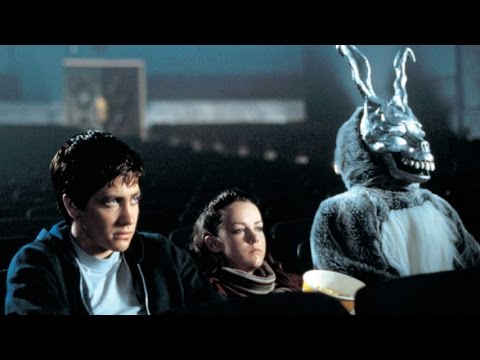
Donnie Darko, 2001
(Seriously that bunny thing is just terrifying.)

So now we have a brief understanding of the study of cult films. But just how long have cult films been around? A better question maybe ‘what was the first exploitation film’. American Grind House, a documentary first released in 2010, explores the history of exploitation cinema in vivid, uncut detail. Exploitation is defined as ‘the use of something for profit’. This ‘something’ is often seen as taboo, disturbing, or socially unacceptable. Dwain Esper, a film director in the 1930’s is considered by many to be the grandfather of exploitation cinema. Maniac, his most infamous film could also be considered one of the first cult films. From over acting to bizarre camera angles and obvious plot holes, Esper’s work was considered by many to be the worst in cinema. However, Esper used the exploitation of mental illness to draw in his own unique fan base. A common staple to exploitation films is the promise of showing something a ‘respectable’ film studio would never include in their movies. Esper got away with releasing Manic, a film full of animal abuse, nudity, and rape because he claimed the film was educational. In random parts of the film Esper would through in an ‘informative’ paragraph discussing the martial state of ‘maniac’. However, even these crude out of place cuts added to weird humor that comes with Esper’s films. The sense that you’re watching something so bad, its almost revolutionary.

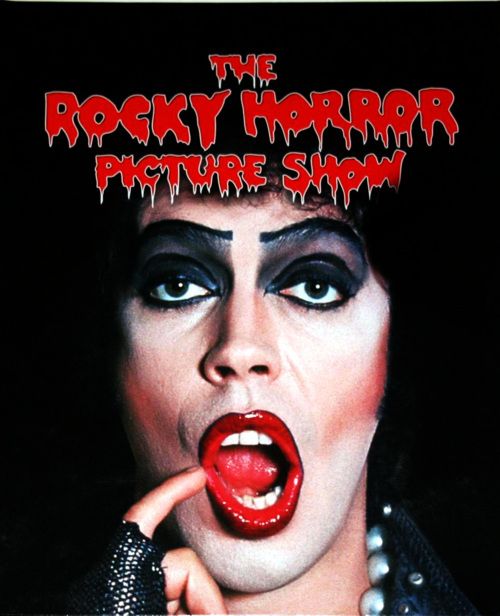
This semester we will discover what separates the cult classics from the rest of cinema. From ridiculously cheesy lines that add to the humor in The Room to the catchy seduction of Rocky Horror Picture Show, this semester is sure to give us a better understanding of what makes a cult film truly unique.

Round 2 : Cult Movies

Here we are back making blogs for another semester of cinema, with a focus on Cult Movies. I am excited for the next round of this class. I found it funny that Prof. S mentioned how this class may offend and that is the point of these films. After my first time taking this class, I felt like I had a new appreciation for films I would never have seen. I am not sure what to expect with some of the movies on our watch list. My parents did let me know there are a few good ones to look forward to. So all I can say is that I am excited for another year of films. Our first film of the semester was an interesting choice. Maniac by Dwain Esper was something different to say the least. With questionable acting and parts that didn’t make sense. The movie could be called a cluster F***. So much of this film was not needed for the end plot like the heart, the women, and the maniac. With random cat fights and stolen parts from other movies, it was confusing to watch. They mentioned how it was loosely based off an Edger Allen Poe story and loosely is quite a stretch. I think barely would be better use of his novel. I was a little excited because the last film I watched based off of Poe was a lot better than that. I guess the only film I can use for comparison would be “The Room” due to a lack of story line and acting. The acting in the “Maniac” was just laughable and laugh we did.
With the screening of “American Grindhouse”, I felt as if I got a quick refresher of everything that happened almost a year ago last spring. We went over so many topic and films that we discussed. Seeing American International pop up reminded me of my project working with a Roger Corman film for my project. I wish we had a class that might focus on AIP and Roger Corman. So many of his films had a small budget, but still produced a great project. I remember watching “The Pit and the Pendulum” and even thought it was older, I still loved watching the film. It’s funny how I could relate to a few of these “Exploit Films” and how the changed over the years. The film is a great watch to see the progression of the exploit industry over the years. I am not sure if this is a better as an intro for History of Cinema or as a quick look back.
The film spoke about 42nd street and how this was the hub for all of these movies. I don’t know which era of film would be cooler to see between the first exploit films in the theaters or the teenage rebellion films at a drive in. I might consider some of the AIP films at a drive in. It is funny how much I now enjoy their films and get excited to see Roger Corman on our discussion. Even reading his intro to the start of our book was exciting. I think this year will go well as long as we don’t have any films like “The Fly”, which was pretty gross at times.