Tag Archives: Detour

Detour from A to B movies

Another week and another movie that left me with some questions. First, why was the film so short. I needed another 20 minutes to help smooth out a few questions. The movie seemed to be a little rushed and went over different aspects quickly. Next, why did Vera wrap the phone cord around here neck. I understand that she was drunk and was playing with the cord, but it seemed odd to put it around here neck like that. I though it was going to get stuck on the bed frame and she accidentally kill herself, which he would get blamed for. Also, was a poor choice on his part to pull on that end of the cord. The plug in to the wall was outside the room, so he did not even have to pull the phone. Just disconnect it from the wall and he would be fine, but that would not fit with the movie of everything going wrong. That aspect of the film made it feel like a disaster film like Poseidon Adventure, which we watched last year. With a simple goal of going to see his girl, and every aspect along the way goes wrong.

One aspect of the film I liked was the camera work and use of shade. Anytime there was a flashback the whole room would go dark and focus on his eyes. This is very powerful to see how lost and hopeless his eyes are. It seemed as if he no longer knows where to go or who he can turn to. All Roberts wanted to do was go see his girl, Sue, out in Hollywood and that choice started his bad luck. First with the passing of Charles, which just seemed odd and makes you think about what he was taking from the glove compartment. Then he does the nice thing of picking up Vera, until he realizes where she is and who he is acting to be. When I saw her sleeping before she confronted Roberts, I was positive she was going to be dead again. When she popped up, it was like a cannon going off and caught everyone by surprise. The use of the camera after Vera’s death really helped to show how Roberts must have felt. The in and out of focused shots just showed the disbelief that he must have had and the pure fear and unknown. I just wonder why he didn’t just break the door down first. Each time the camera moved to a new object; it was an idea of what he may be able to do.
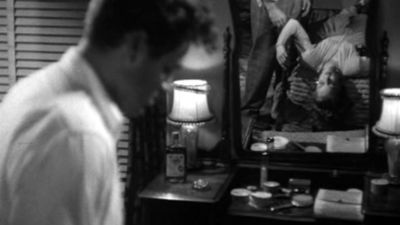
Before these classes, I don’t think that I would have ever of watched a film in black and white. Now seeing many of these non-colored films, I think that color would ruin them. As we discussed in the class, color could ruin the aura that these films had. That original glow, that made these films see so great and what made people remember about them. I don’t think you could get the same flashback close ups of Roberts eyes in color and get the same feeling of distress he was feeling. It is a big factor into why I don’t enjoy seeing sequels of movies because they are never as good as the first one.

SKRT SKRT

By Sarah Baty

Detour was filmed in 1945 in just 14 days on a very minimal budget, but that’s how director Edgar G. Ulmer thrived. After being exiled from major Hollywood studios he went on to making B movies at Poverty Row production houses where he found a niche making melodramas on tiny budgets and with often unpromising scripts and actors.

Image result for edgar g ulmer

Detour started with Tom Neal as Ale Roberts narrating about his time in New York and how he ended in up in a diner in Reno, Nevada. I grew up very close to Reno so it was really cool to see the town in an old movie. Roberts narrates throughout the film. While narrating he often refers to fate, so when he stumbles into situations and bad things happen, he chalks it up to it just being how things are supposed to be. According to our reading, Detour by Andrew Britton, Roberts “insists that a malicious destiny is responsible for all his troubles.” This is connected to the fact that Ulmer himself consistently attached a great idea to the importance of fate throughout majority of his films. Ulmer’s characters often exercise “little to not control over their destinies.” This is exemplified to me, when Roberts and Vera were in the apartment together.

Image result for detour roberts and vera fighting

Roberts and Vera return to the apartment after not selling Haskell’s car and Roberts is irritated to say the very least. Vera got very drunk and in the middle of their argument threw herself into the bedroom with the telephone and she locked the door. Some of the chord was still outside the bedroom with Roberts. As Vera drunkenly danced around the room wrapping the chord all around her, Roberts became angry and started tugging on the telephone chord. After he gets the door opened and it is revealed that Vera is dead, he narrates about how this must be how things are supposed to end up. It’s obvious he didn’t mean to kill Vera, it is just how things happened and I feel as though he does make you believe that it really is just fate doing its work.

Image result for detour vera dead

At the end of the movie Roberts is back at the Nevada diner. As he walks out contemplating everything that happened, he is stopped by a police officer. Chalk that up to fate coming full circle, Roberts being unable to get away with his crimes that he didn’t really mean to do. During some extra reading I found that at the time, The Hollywood Protection Code did not let murderers get away with their crimes; therefore, to still abide by this rule and still leave a bit of intrigue at the end of the movie, Ulmer has the police car pick up Roberts. Alluring to the thought that he does indeed get indicted for his crimes. This was an interesting tid bit to find because it changes the way the movie could have ended. Without this rule to follow, would Ulmer have made the ending different? Or would Roberts have indeed been given the same fate because the whole point of the movie was about destiny right? I guess we’ll never know and there’s some delight to be found in that I think!

This Blog Will Not Talk About Detour, Instead Let’s Talk About Terminator 2.

For the second week of class we watched Detour and I had low expectations for this movie. When the film was over, I was surprised by how good it was. It is definitely better than Maniac because there was an actual plot to follow and there was nothing that was just left unresolved at the end of the movie. I liked how the reading was able to better explain some of the stuff that was happening in the movie.

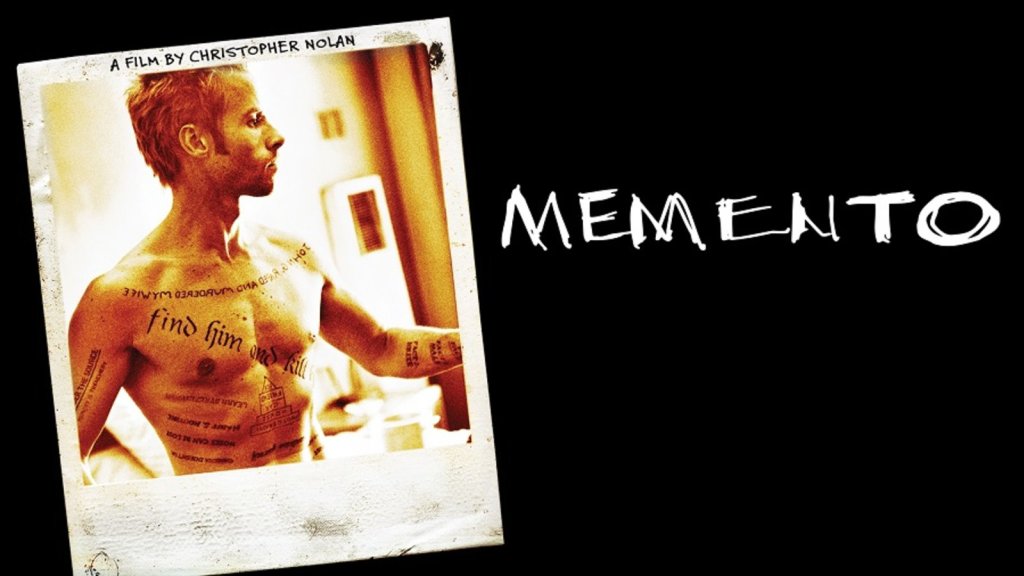
My favorite part of this film was the unreliable narrator portion of the film. I have always enjoyed a film that has an unreliable narrator in it. My favorite film that has an unreliable narrator in it is Memento and the reasoning is because you can’t trust the main character throughout the entire film because he suffers from short term memory loss. Detour uses the unreliable narrator throughout the entire film to make the audience constantly question whether or not Al Roberts was telling us the truth. The reason why we are wondering if he was telling the truth is because he is trying to justify his actions that he has done. Some of the film seemed like it could be true, but there is no way that so much bad stuff could happen to one guy. The one thing that stood out to me about how unreliable he is when he is hitchhiking, the cars would change what side the driver was on and also what side of the road they were driving on as well. According to the little documentary after the film, they didn’t know if this was done on purpose or if it was just an accident. No matter what, I believe that they did this on purpose when making the film because it adds to the idea that the narrator is not very reliable. 

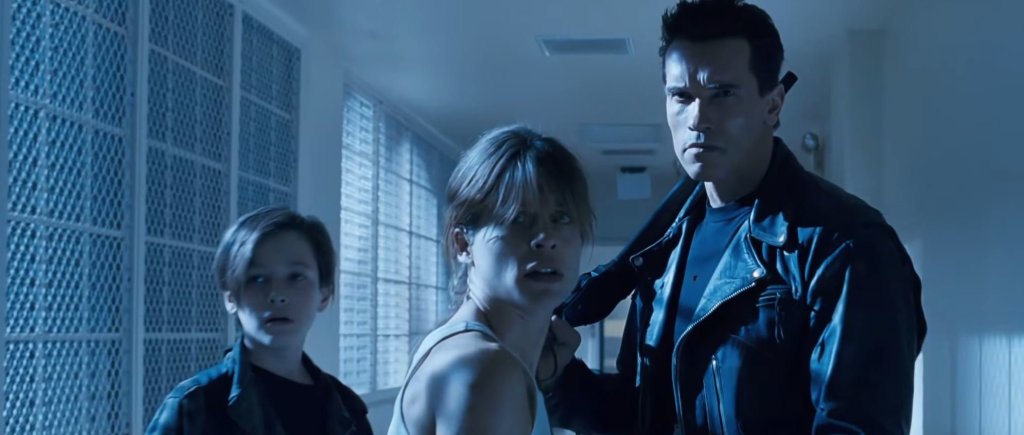
Another portion of this film that stuck out to me was the idea of fate and I know exactly why this happened to me. The reasoning is because I was thinking of the film Terminator 2: Judgement Day. The reason I thought of this film is because at the beginning of the film, the characters believe that they all have a certain fate that will happen to them and that there is nothing that can change the fate of these characters. You are led to believe that there is nothing that can prevent Judgement day, but this turns out to be false. By the end of the film the characters are able to prevent the creation of Skynet, and save the future, and change their fates. This is the opposite of Detour where Al thinks he has no choice but to accept fate and that fate is constantly making bad things happen to him. Both films approach fate differently, in one film the characters realise that their fate can be changed, while in the other film, the main character believes that he can’t change his fate.

Al Roberts accepts his faith in Detour.
The main characters in Terminator 2: Judgement Day don’t accept their fate and decide to change the future.

I really enjoyed Detour as a whole for many different reasons. I would actually recommend for someone to watch this film if they really enjoy movies and if they enjoy noir films. I really enjoyed the unreliable narrator part of the film and an unreliable narrator keeps the viewer entertained because the viewer can’t tell what is real and what is untrue. I mean, my fake title probably caught your attention and made you read this and in the first sentence you realize I was lying, but you kept on reading to see if it was just the first sentence and now you wonder if you could truly trust me. That is what an unreliable narrator does, it makes you keep watching or reading to figure out if the narrator ever tells the truth or if they continue to lie. So, am I an unreliable narrator because I lied about the title?

B-movie enthusiast

Detour is an interesting reflection on the career of its director, Edgar Ulmer, and how his estrangement from the film industry eventually created the hasty film that’s been appreciated for the very qualities that made it a B-movie at the time. Ulmer’s blackballing from the film industry made him an outsider, but also gave him more range to work with in the B-movie industry as it was less censored and allowed for more artistic liberties to be taken. Having worked under many European luminaries at the time, Ulmer had a language in film that was dreamlike and dramatic. His ability to produce a movie in two weeks with minimal set, but the simple employments of light and fog to mimic the cliche settings of the time were all parts of how the explosive but underfunded story managed to carry the film to cult status. Paracinema is a concept I’m familiar with; we studied elements of it in a sophomore art history class that focused on video heavily. It was film acting outside of accepted film, which included video art that followed no plot or was made for visual purpose only. I hadn’t considered this would also include movies made outside of popular acceptance and deemed “trash movies” by elite film culture. Ulmer was working in this industry having already been amongst the elite, and was able to project his ideas with minimal funds and more raw ideas to carry the film. I have a great appreciation for B-movies, largely because they follow no pre existing structure, and often don’t cater to audiences very well making them much more exciting and visceral in that they’re made beyond the sake of profit; or they are so strongly trying to identify as a trope to make money that they parody themselves. This context is what makes the frenzied plot of Detour even more illuminating, and it’s elements of film noir incredibly blunt to watch. 

1*E19w5vCOXeXMUIvcJ2qEDQ.jpeg

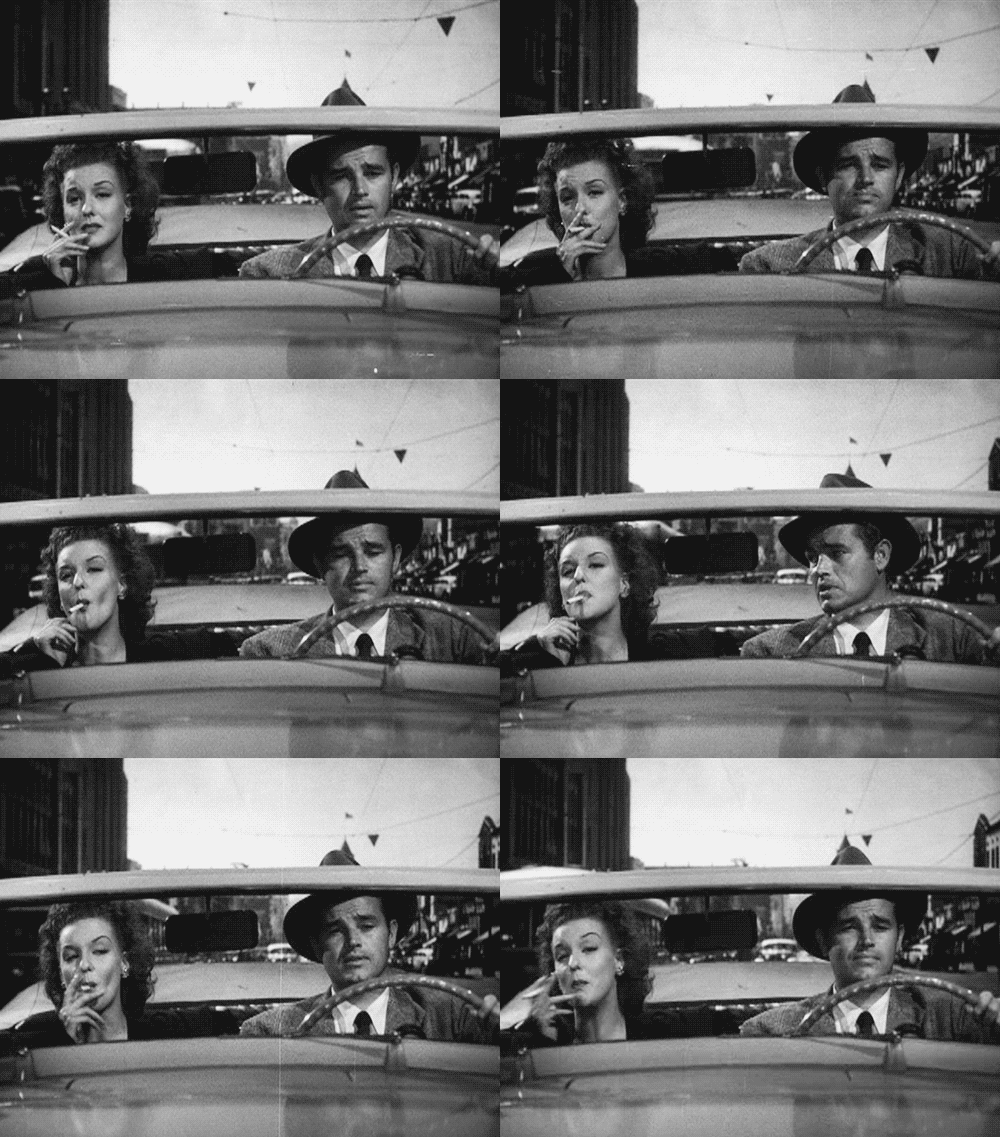
my favorite shot!

Detour is immediately a biased film, as the narrator is shown to be unreliable and self-depreciating. It gives an interesting insight to what men will do to justify their problems, as Al Roberts would blame anything in the world but himself for his bad luck. While he feels righteous in his decision to go to see his girlfriend in the west that left him to be famous, this chase is what bring endless amounts of bad decisions on his part and the eventual murder of two people. Throughout the movie however, Al continues to insist that fate is what leads to this terrible misgiving of people “just dying around him” when the reality is that he very much participates in making these decisions to follow his goal of the fame his girlfriend will bring him. Vera is the only character that sees through his pathetic guise and constantly holds him to his actions. While she was probably considered venomous at the time, when women were undermined for having such boisterous characteristics, she is the most honest character to discover what Al Roberts is really like. I loved the wide-eyed, crazed look she holds while delivering her lines a mile a minute, she’s a heroine that I would be intimidated by today.

unnamed.jpg

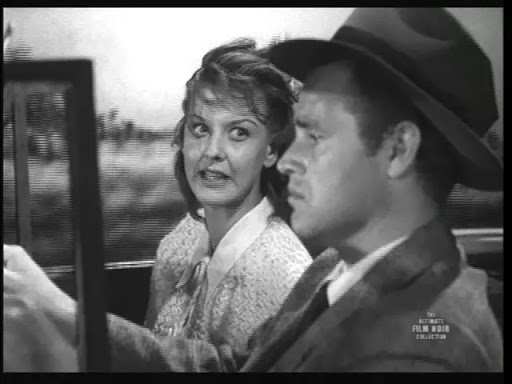
great use of “crazy eyes”, what a lady

Her explosive character is killed as angrily and quickly as she appears by Al’s own greed for the inheritance of another guy he “didn’t kill”. He also thinks that her death was an accident, thus making both Haskill and Vera’s death almost imaginary in that his real identity never is associated with them. It causes the audience to wonder if what’s being portrayed is what actually happened or simply through the eyes of a self-absorbed man who thinks the world is out to get him. Is Sue even real? Is the goal of wealth and fame personified to be a love interest that can never really be reached by the protagonist? Could coincidences like the death of two people really happen? Or is Al Roberts a man that justifies doing bad things because he’s a narcissist? It’s 1945.


The Unreliable Narrator in Detour: a Film About Fate

The 1945 film for this week was Detour, directed by Edgar G. Ulmer. This low budget film noir is classified as a B-Movie. B-Movies usually have no stars, low budgets, short shooting times, and massive creative liberty. Ulmer was a King among the B-Movie circuit. He worked best with these conditions and produced enough higher-quality films that he could have graduated to A-Movies, however, a few personal issues got him black balled from the major studios.

A 68 minute film noir starring Ann Savage and Tom Neal.

Detour is a quick film, with a fast paced plot and a lot of very bad decisions. Al Roberts is the self absorbed main character. He cares very little for those he surrounds himself with, and for those who care about him. The only thing he seems to truly care about is himself and what he can get from other people. His girlfriend, Sue, wants to up and go to Hollywood, a wonderful dream. Yet Al turns it into this bad idea, making it seem like she is abandoning him, rather than encouraging her to follow her dreams, or even offer to go with her. His mood becomes sour and he all but pouts as he walks Sue home. It isn’t until after she’s gone and his life is bad that he misses her, or rather, misses the fame she could get when she makes it to the top, so he goes across country to be with her. That is where we meet Mr. Haskell, the man who picks him up hitch hiking and takes him to California. How could he possibly mess this up? Haskell dies and Al abandons the body in a gully and robs him of his clothes, money, identification, and car, taking off on his own. And finally, we meet Vera. Vera is the one true match for Al, and the only one who doesn’t put up with him, taking over the role of the dominant one in their almost relationship. She won’t put up with any of his usual tricks or actions, and she doesn’t believe half of the stories he tells either. Vera is a lot smarter than Al, and she knows it, but she is a woman, and during this time a woman was nothing in the patriarchal world. Perhaps they’ve finally met their match, their partner, and can be happy together. Wrong. Money gets in the way again. Al’s assumed identity of Haskell has an inheritance, and selling off the car could bring in nearly $2,000. Al continues to make bad decisions and the cards are severely stacked against him. What is a guy to do? He accidentally hangs Vera with a phone cord, then runs away, leaving a dead wife in bed. Everyone believes Al Roberts is dead because he disguised Haskell as himself. Everyone thinks Vera was Haskell’s wife and that Haskell murdered her so they are looking for Charlie Haskell. So now he is no one and in the middle of nowhere. He is free to be anything and to be nothing. Yet he has never been more trapped than in the last few minutes of the film, sitting in that Nevada diner.

Vera (Ann Savage) and Al (Tom Neal)

It is hard to believe anything that Al has narrated is the truth. In his book of criticism, Andrew Britton has deemed Al Robert’s as an unreliable narrator. It is made very clear in the beginning that Al is very self focused and only cares about himself. His demeanor is often cynical and outright rude. Several instances that are recalled by Al are questionable to say the least. Haskell and Vera’s death scenes are clearly misrepresented by accidents that he couldn’t control, and he would never do such a thing, when it is quite clear that his horrible decisions are the direct link to all of his hardships. The circumstances that Al continues to find himself in is unbelievable, which is exactly what Ulmer is trying to do. Al’s world is supposed to be seen as completely ruled by fate and that he is merely a pawn in a pile of bad deals, but from our point of view we can clearly see that Al’s own subconscious has rewritten his life to benefit himself, and maybe evoke a hint of pity in whoever his internal monologue is for. Like most unreliable narrators Al has turned himself into the victim of fate, rather than accepting the consequences of his own actions and owning up to the hardships of life. Ulmer directs this beautiful fate driven story, but because of the narrator, Al, it is impossible to believe any of it. I firmly believe that Ulmer knew what he was doing when he had Al narrate the flashbacks.

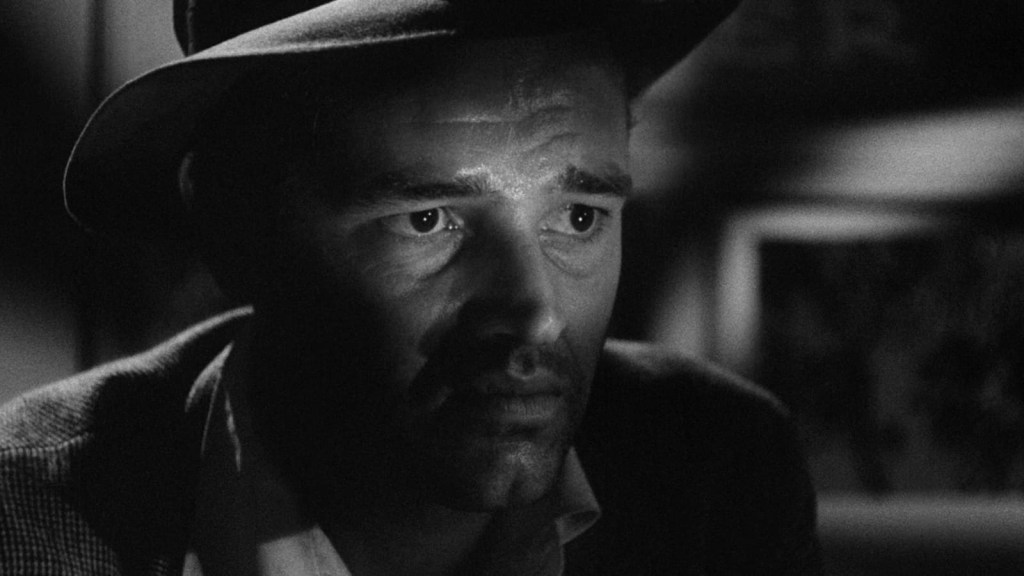
The effects of shadows is an interesting one. Ulmer is known for the risks and liberties he takes with shadow casting and lighting maneuvers. The shadows cast over Al in the opening scene evoke a mystery about the man in the diner. Ulmer uses his lighting to show Al slip into his own memory, making the scene darker to show we are leaving the present time. There was a minimal budget with this film and Ulmer worked with what he had so beautifully. It was hard to understand that the little money he used to make the film itself could result in such a masterpiece of film.

With a low budget of about $30,000 Detour brought in $1,000,000 through Box Office.

Detour is an interesting film and a must see. Although the main characters motivations are questionable, watching fate interacting and mapping out their lives is rather intriguing and even comical. The ways “fate” ruins the life of Al Roberts is a journey like no other. I would definitely watch it again.