“Cult cinema is not singular, but a pluralistic term that is an ideology that manifests itself in audiences, at screenings and in filmmakers.”

A direct quote from Programming Cult: Fantasia Film Festival and Programming Oppositional Taste, this is what our whole class has been about—defining cult cinema. Movies themselves are an experience, an experience people can share together. However, it is not the films themselves the audience who define a cult film. And what if, an audience experienced something so unique, the film itself wouldn’t matter?
Director William Castle understood the importance the movie going experience. Born in LA California in 1914, Castle was known for two things—his B-list horror films and his clever marketing tactics. While he started his career as theater actor, even appearing a few films but never openly credited. His first role as director was for a documentary called Coney Island in 1939. Many have compared Castle to George Melies, the grandfather of film, due to his clever innovation of special effects Castle used in theaters. To quote another reading,
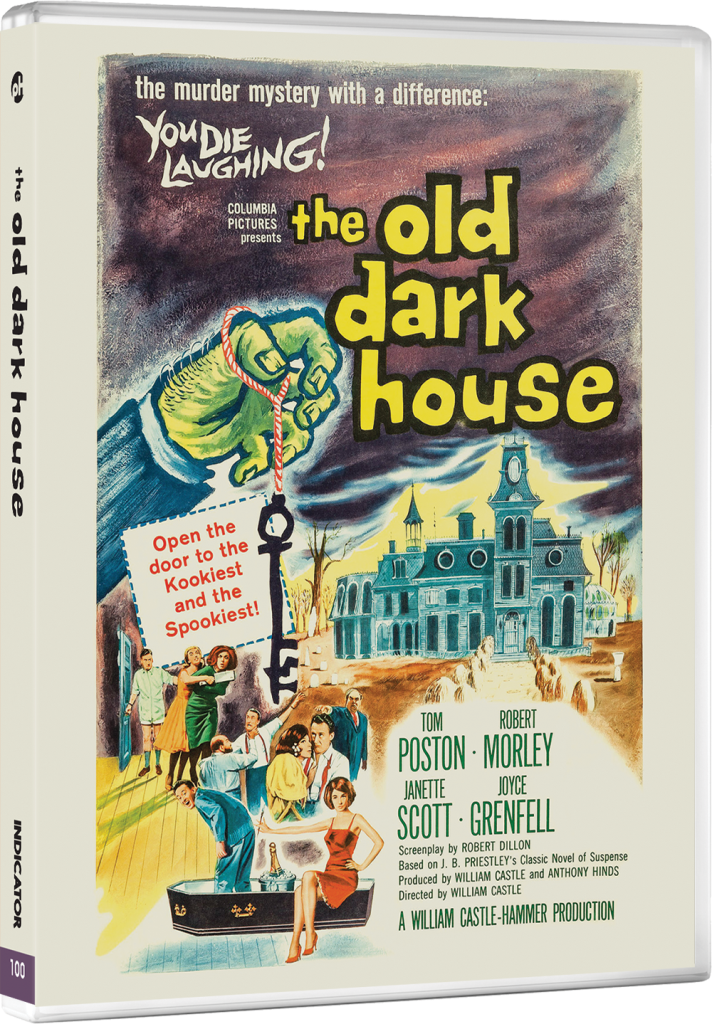
“Castle’s gimmicks attempt to reach out to the audience and incorporate them directly into the cinematic experience, to restore the real or imagined experience of the early cinema spectator.” Castle gained his fame (Collective Screams: William Castle and the Gimmick Film) Just as Melies used special effects in his films, Castle brought those effects directly to his audiences. You didn’t just see a Castle film—you lived it. Castle’s first ‘gimmick’ film was Macabre (1958), in which Castle promised views $1000 life insurance if they died by fright. Castle even got Vincent Price to stare in House on Haunted Hill (1959), a film where Castle would fly a go in the dark skeleton over the audience. Perhaps Castle’s most infamous gimmick was from his film The Tingler. For this show stopper Castle rigged the theater seats to release an electric shock at key moments in the film. In 1967, Castle acquired the rights to book Rosemary’s Baby. However, Castle was denied the position of director for the film, instead acting as the producer.
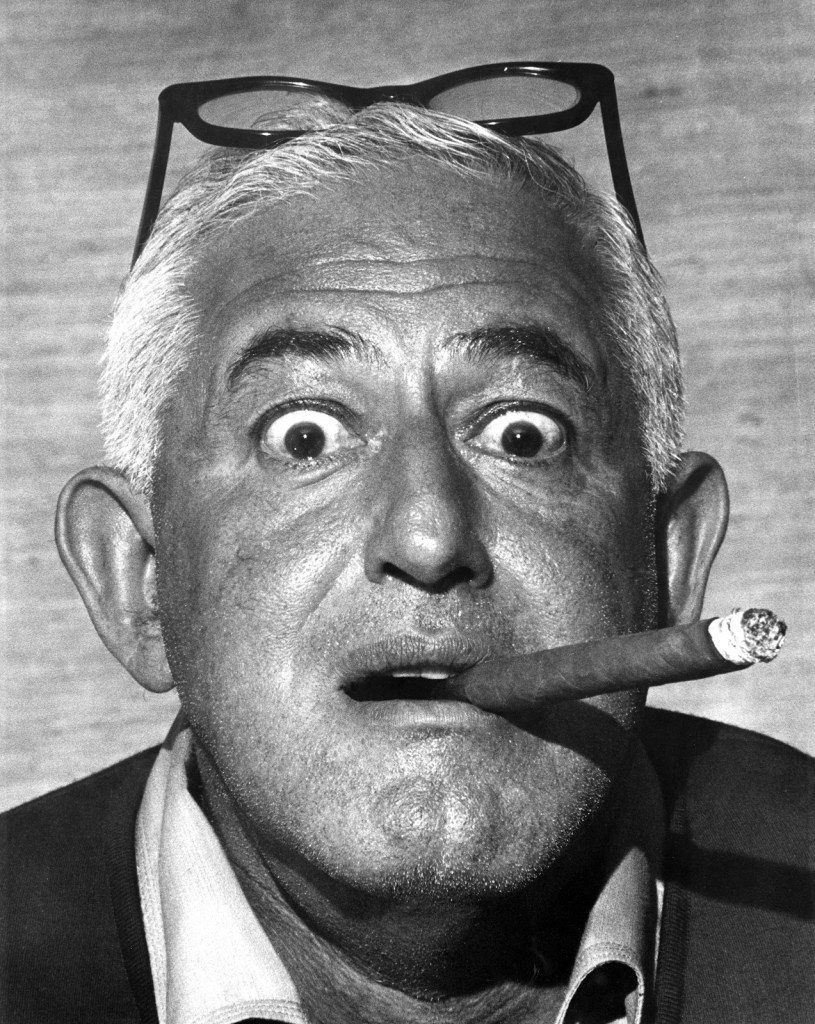
William Castle 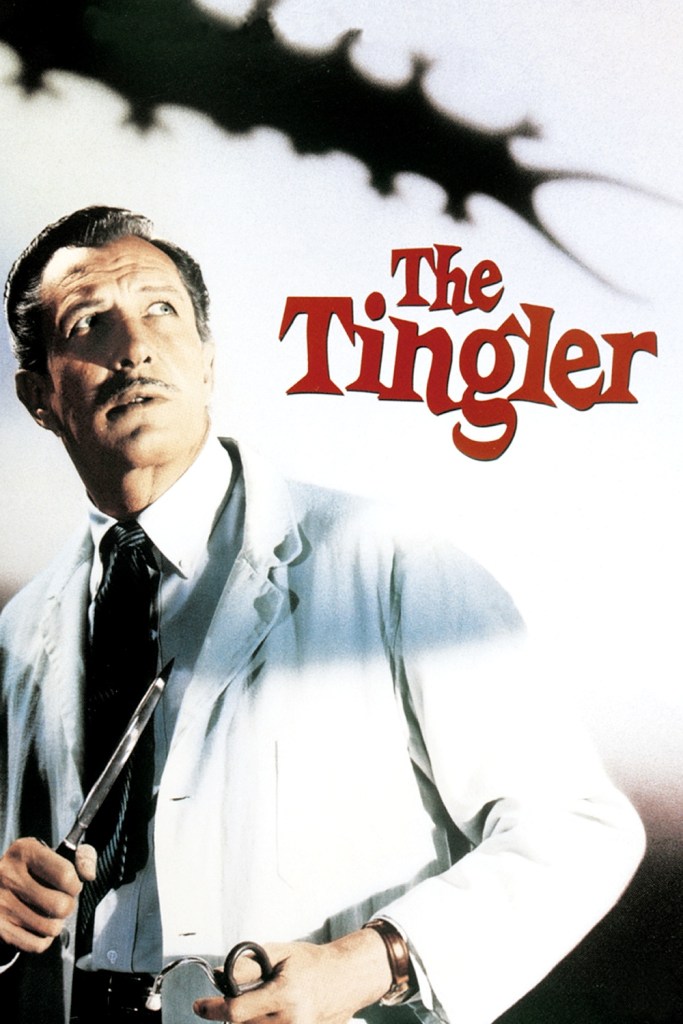

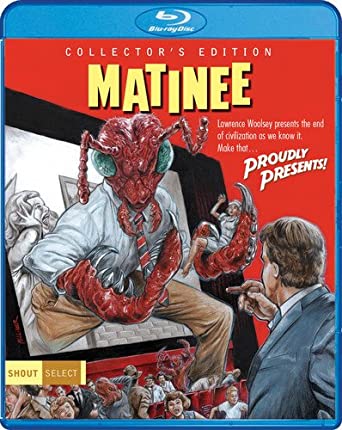
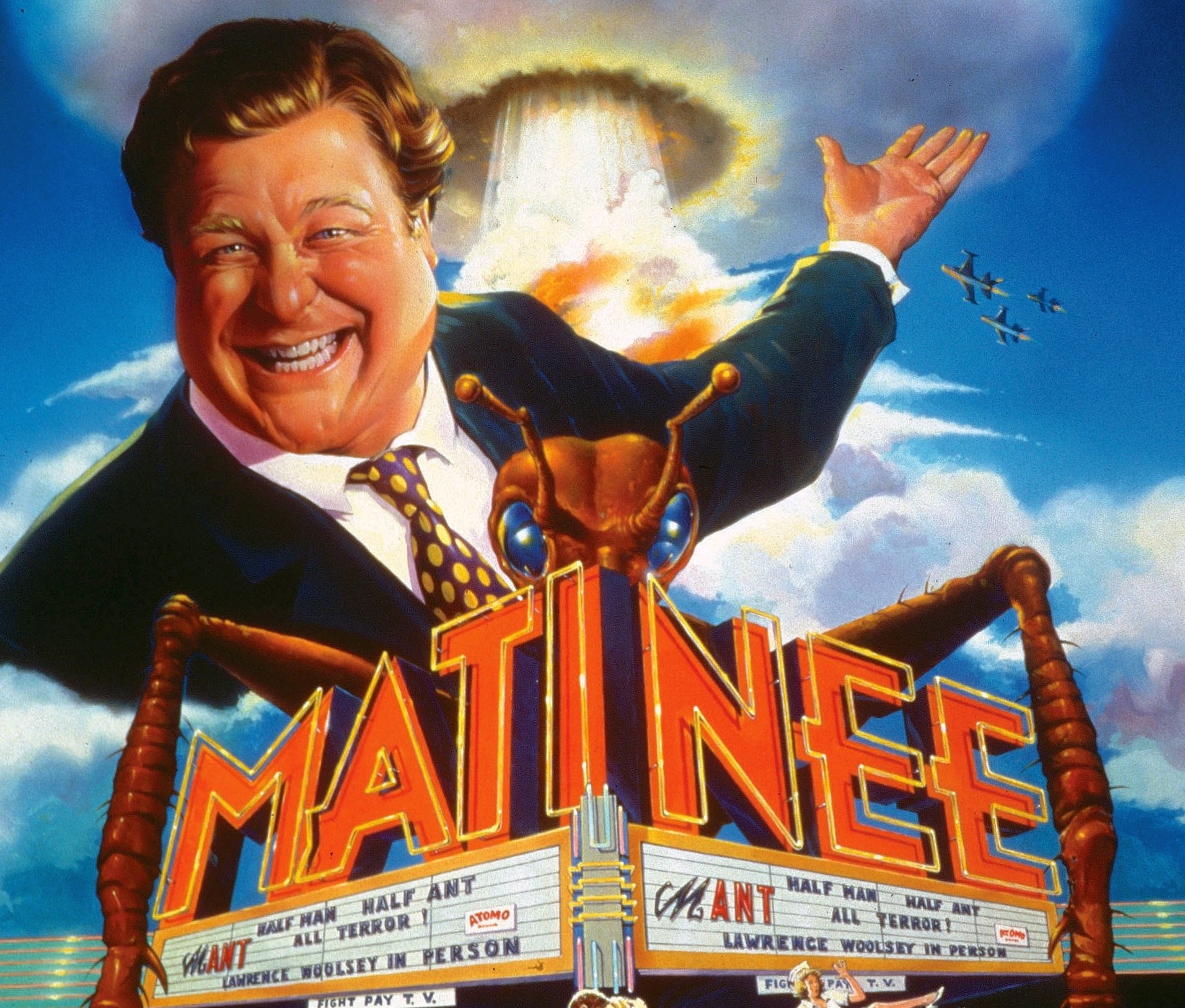
Castle often considered himself the P.T. Barnum of films. He also modeled himself off of Alfred Hitchcock, and it is said that Hitchcock took inspiration from Castle when directing Psycho. Castle’s legacy can be seen in modern films and even amusement park rides. However, the biggest homage to Castle was the 1993 film Matinee.

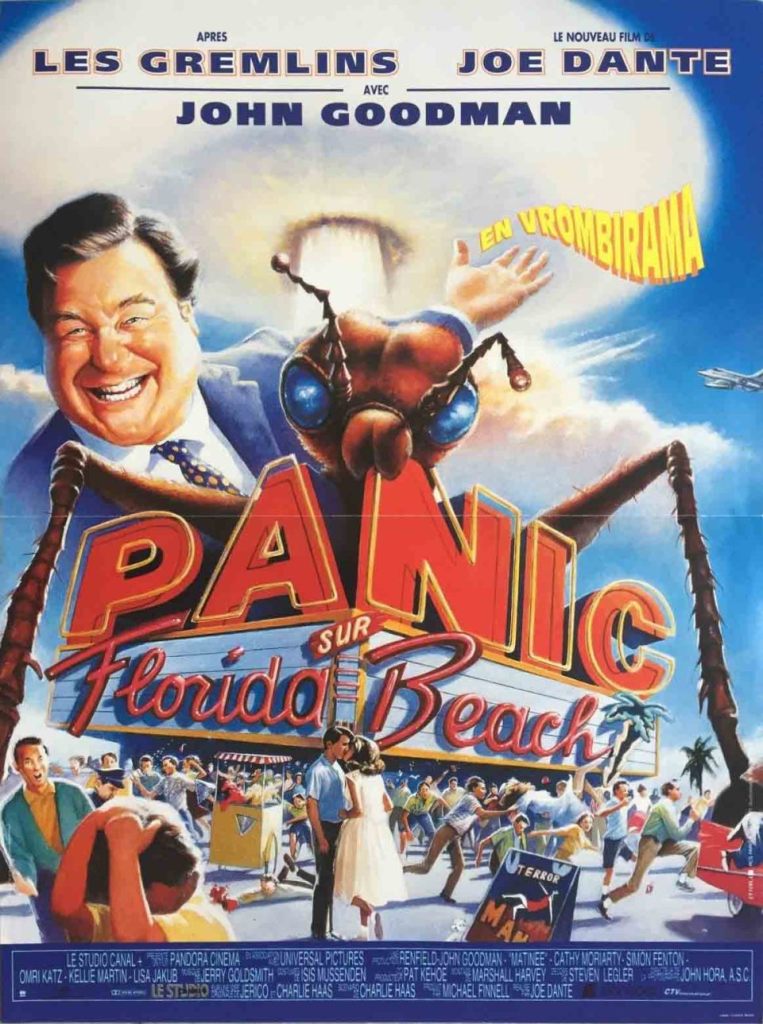


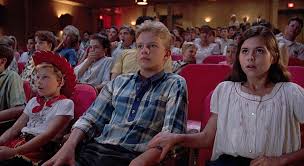
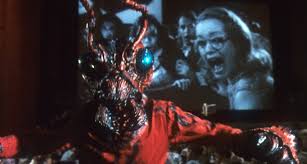
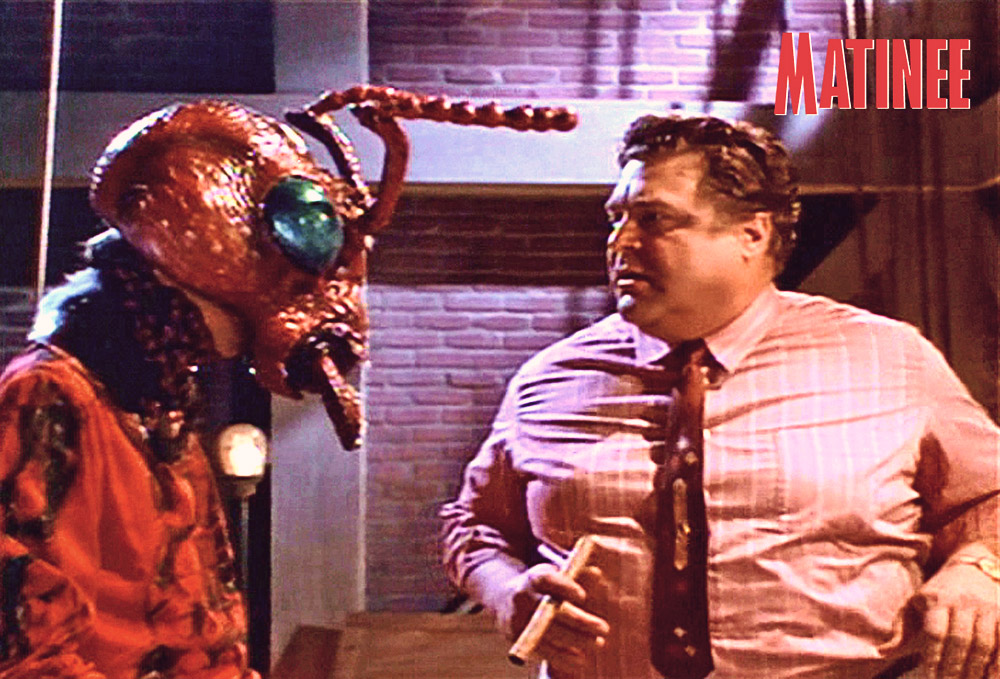
What I admired most about Matinee is the accuracy and attention to detail. The fashion, the modern slant, even the record players and TVs capture the feel of the 1960s so perfectly. While the film is listed as a comedy, it doesn’t really deliver. If anything, I found myself smiling a few times, but never outright laughing. There were also several characters in the film that, I feel, were unnecessary. Was Stan really a key character? The guy didn’t do anything, and if you removed him, his girlfriend, and her ex from the film, you’re not losing anything vital. If anything, the weird love-triangle was more a 90s trope than anything. John Goodman was a nice casting choice. While I don’t see the physical resemblance to Castle, Goodman does capture his suave and general air of cleverness. Matinee was a nice change after all our past screenings. A generally enjoyable film about a key character in film history.




 Cult Movies