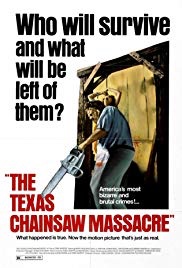
Before this class, I had never given much thought to what constitutes as a cult film. I simply knew that The Texas Chainsaw Massacre (1974), for example, was cult and that The Sound of Music (1965), was not.
The “Checklist for Determining the Power of a Film’s “Cult” Status” handout we were given has helped me to put this into context. I now know that, films that meet a majority of the proposed criteria are more likely to be a cult film than films that barely meet any.
The checklist is:
- Marginality (falls outside of general cultural norms)
- Suppression (subject to censor, ridicule, lawsuit, etc)
- Economics (Box-office flop at first)
- Transgression (Breaks the rules)
- Cult following (devoted fans)
- Community (Audience is a self-identified group)
- Quotation
- Iconography
Film historian Ernest Mathijs and filmmaker Xavier Mendik give a pretty good definition of what a cult movie really is in “The Cult Film Reader.” They define cult film as,
A cult film is a film with an active and lively communal following. Highly committed and rebellious in its appreciation, its audience regularly finds itself at odds with the prevailing cultural mores, displaying a preference for strange topics and allegorical themes that rub against cultural sensitivities and resist dominant politics.
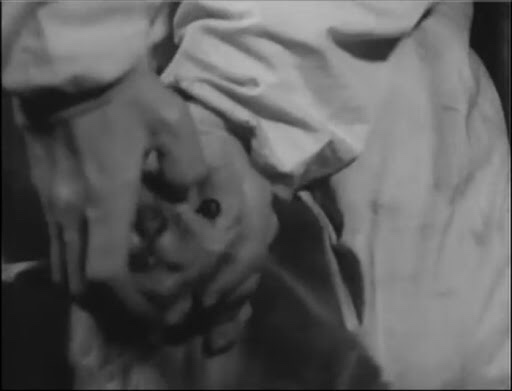
Quite honestly, I found the first screening of the semester, Maniac (1934), to be confusing, awkward, and undoubtably bad. Nonetheless, I found it funny, entertaining, and aesthetically appealing. The fact that I actually liked this awful film is exactly what makes cult movies cult. The “badness” of the film is what appealed to my humor, and the shaky shots and strange animal scenes were something I enjoyed.
They second screening that we watched was a documentary by the name of American Grindhouse (2010). American Grindhouse does a great job connecting exploitation cinema to the history of film, starting from film noirs exploiting violence by finding clever ways to portray it, to how the birth of the blockbuster was when cult cinema came into the mainstream.
This also taught me the importance of exploitation in American history. Film makers would use their knowledge of the culture of the time and used it to their advantage. Such as in the middle of the civil rights movement, there was a rush of films being produced with more African-American actors and actresses and topics relating to them, the Blaxploitation movement. Just like the popularization of psychedelics and sex, these would be used to attract curious viewers in the ’60s. It’s funny how, in every era of history, there is something to exploit and make money off of.
I am very excited for what is to come in this class, and everything I will learn this semester, especially considering the fact that I have not seen any of the movies that we will be screening. I am especially excited to watch Pink Flamingos because of all the controversy that surrounds that movie. I am also excited to watch everyone’s presentation on their cult movie of choice.
 Cult Movies
This was a great post Zane, very nice job! I really liked how you talked about how confusing you found Maniac because I don’t think a lot of the class talked about how convuluted the plot gets. I’m also excited to watch the rest of the movies in class, it’s all uphill after Maniac!
LikeLike
Hey Zane, I liked what you said about just knowing what films are cult, and what films are not. I completely relate to that. I am also very excited about the screenings, I haven’t seen a lot of them. I also think that it’s really cool that the different eras of film exploitation are linked to eras in history.
LikeLike