When I heard we watching Pink Flamingos I class I got very excited, purely for the rest of the class’s reaction. To my surprise, there was a lot less gasping ad laughing than I expected especially around the chicken sex scene In which they actually killed the chicken (and ate it later). While I realize most people will not have the same appreciation for Pink Flamingos, and as dirty of a film as it is, the class viewing was about the sixth time I’ve seen it. Much like “It’s a Wonderful Life” around Christmas time this movie plays on thousands of screens during the month of June.
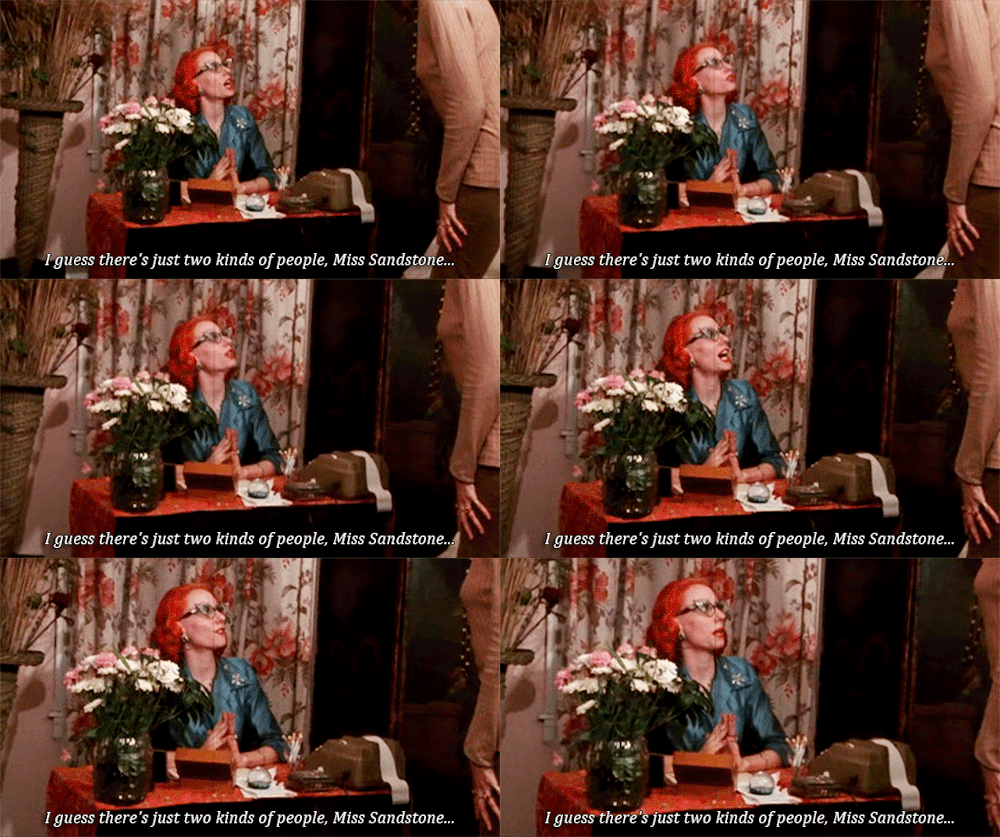
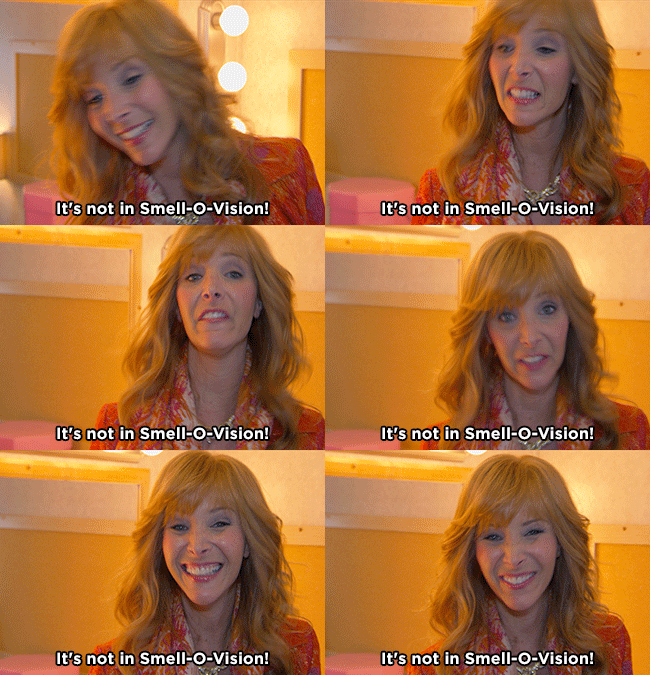
While Waters did not shy away from the dirty, I feel the beauty of this film is severely overlooked. With most scenes being done In a single shot gives a prolonged almost uncomfortable experience besides what’s happening on screen. The shot of the burning trailer is one that specifically sticks with me, whether it’s the length of it or just the fact that fire is pretty I do not know. This movie comes at you any disgusting way Waters could think of; heterosexual sex, people eating, shit eating, chicken fucking, incest, torture, madness, mutilation, kidnapping, rape, murder and finally the selling of babies- all of which invites laughter and In my case, received it. I almost thought Waters could go further, maybe if he had conceived of “Polyesters” Smell-O-Vision before making this movie we would actually be able to smell how dirty this movie is!
One thing I admire from Waters is showing this tale of dirtiness as an adjacent from homosexuality. The film is a great, ironic and raw timestamp for queer culture. This sense of perversion that surround it at the time, which is then taken to this extreme in order to create a great critique of the current social and political states of the ’70s. Giving a big middle finger to the church with Devine declaring “I am God” when asked about religion, which to the queer community she basically was. Outside of Pink Flamingos both John Waters and Devine served as iconic outlets for queerness and self-expression, not giving a fuck about what anybody else thought and being unapologetic about it.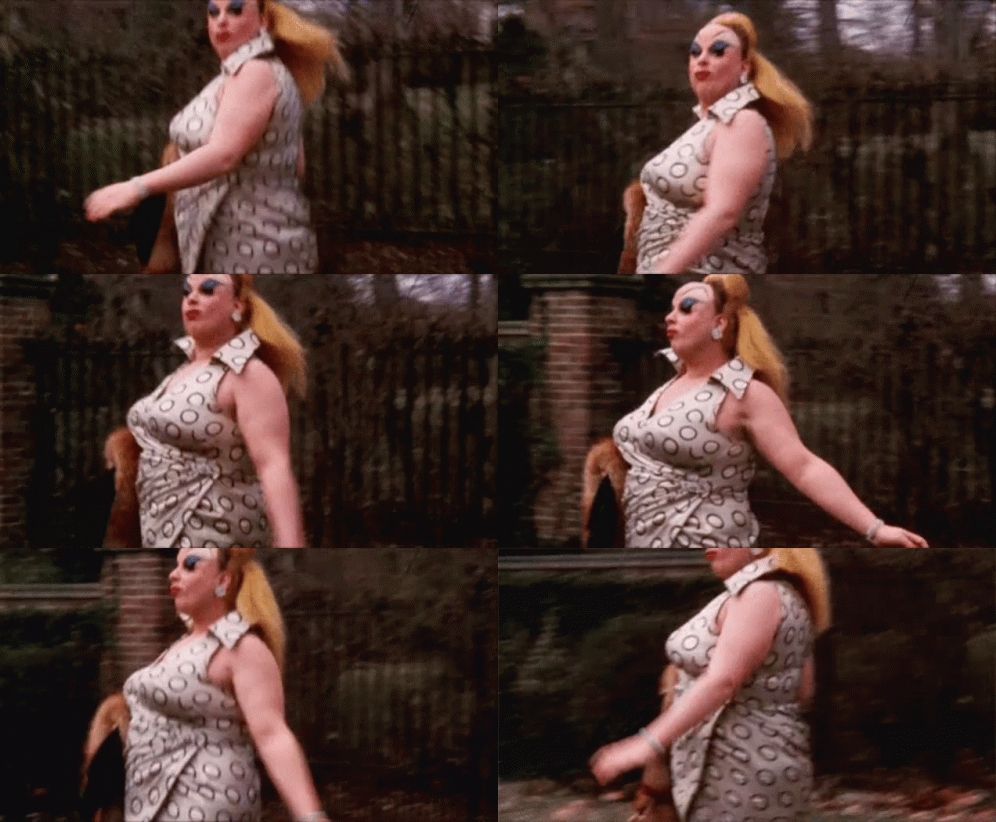
While I feel Sontag breezed over the importance of drag and queerness in camp her definition of it is one that to me has sounded the most accurate. Andrew Ross’s response to her essay starts off how I believe hers should have. With the story of Judy Garland’s death and the night the stonewall riots which kicked off an explosion of queer voices in art, John waters being one of them. The current state in which drag is represented in the media is a turn in the wrong direction In my opinion. While the presence of “Drag Race” is important, it commercializes and “cleans up” the art of drag that was first brought to the public screens through John Waters and most of his films.

 Cult Movies
I, too, found the trailer burning scene oddly interesting, it sounded as if the crackling of the fire was added-in separate from the shot. I like that you grounded the film in it’s time and spoke of how the film contributed the mood and cultural feeling of the 70’s. We spoke a lot about John Waters and I appreciate that you also included Divine’s influence (outside of Pink Flamingos) in your post about the film.
LikeLike